Car Rust Prevention: Simple Ways to Protect Your Vehicle for the Long Haul
- By the dedicated team of editors and writers at Newsletter Station.
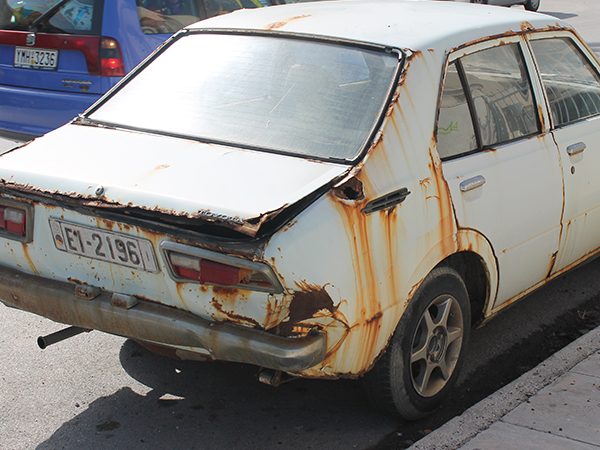
Rust is one of the most common and frustrating problems vehicle owners face. Often called the “silent destroyer,” rust can gradually eat away at your car’s metal surfaces, damaging both its appearance and structural integrity. Left untreated, corrosion can lead to expensive repairs and reduce your vehicle’s resale value.
The good news is that rust is largely preventable with regular maintenance and a few proactive habits. By understanding what causes rust and taking steps to protect vulnerable areas of your vehicle, you can keep your car looking great and running safely for years to come.
Here are some of the most effective strategies for preventing car rust.
Wash Your Car Regularly
Routine car washing is one of the simplest and most effective ways to prevent rust. Dirt, road grime, bird droppings, and especially road salt can trap moisture against your vehicle’s metal surfaces, accelerating corrosion.
During the winter months in colder climates, road salt and de-icing chemicals are major contributors to rust formation. Washing your vehicle every couple of weeks—and more frequently during snowy seasons—helps remove these corrosive materials before they cause damage.
Don’t forget the undercarriage, which is one of the most rust-prone areas of a vehicle. Many modern car washes offer underbody sprays designed specifically to rinse away salt and debris.
Apply Wax for Extra Protection
Waxing your vehicle does more than make it shine—it provides an added layer of protection against moisture and environmental contaminants.
A quality automotive wax forms a protective barrier between your car’s paint and the elements. This barrier helps prevent water, oxygen, and pollutants from reaching the metal underneath. For best results, consider waxing your vehicle every 3 to 4 months, or follow the manufacturer’s recommendations.
Consider Rust-Proofing or Undercoating
Professional rust-proofing and undercoating treatments can offer an extra level of protection, particularly if you live in areas with heavy snowfall, road salt, or coastal humidity.
These treatments involve applying protective coatings to vulnerable parts of the vehicle, such as the frame, suspension components, wheel wells, and undercarriage. The coating acts as a shield, preventing moisture and salt from reaching exposed metal surfaces.
Many dealerships and automotive service centers offer rust-proofing packages, which can be a worthwhile investment for extending your vehicle’s lifespan.
Fix Paint Chips and Scratches Quickly
Even small scratches or paint chips can expose bare metal, creating an entry point for rust. Once moisture reaches the metal surface, oxidation can begin quickly.
Inspect your vehicle periodically for small paint imperfections. Touch-up paint kits are widely available and can be a quick, affordable way to seal minor chips before they develop into larger problems. For more noticeable damage, a professional body shop can restore the protective paint layer.
Keep Drainage Areas Clear
Most vehicles are designed with drainage channels and small gutters that allow rainwater to flow away from critical components. Over time, these areas can become clogged with leaves, dirt, and debris.
Blocked drains can trap moisture in areas like door panels, trunk compartments, and sunroof channels—creating ideal conditions for rust to develop. Periodically checking and clearing these drainage points can help prevent water from accumulating inside your vehicle.
Use Rust Inhibitor Products
There are many rust-prevention sprays and inhibitor products available that can help protect exposed metal components. These products are typically applied to vulnerable areas such as hinges, seams, underbody components, and wheel wells.
Rust inhibitors work by forming a protective film that repels moisture and slows oxidation. Always follow the manufacturer’s instructions to ensure proper application and maximum protection.
Park in a Garage or Covered Area
Where you park your car can significantly impact rust prevention. Parking in a garage, carport, or other covered space protects your vehicle from rain, snow, and prolonged exposure to moisture.
If covered parking isn’t available, using a high-quality car cover can provide additional protection from the elements. Just be sure the car is clean and dry before covering it to avoid trapping moisture beneath the cover.
Inspect Your Vehicle Periodically
Regular visual inspections can help catch early signs of corrosion before they become serious problems. Pay attention to areas like wheel wells, door edges, the trunk, and the undercarriage.
If you notice bubbling paint, discoloration, or small rust spots, addressing them early can prevent the damage from spreading.
Preventing rust isn’t just about maintaining your car’s appearance—it also helps preserve safety, structural integrity, and long-term value. With consistent cleaning, protective treatments, and routine inspections, you can significantly reduce the risk of corrosion.
A little preventative maintenance today can save you from costly repairs tomorrow. By taking these simple steps, you can keep your vehicle rust-free and on the road for many years to come.