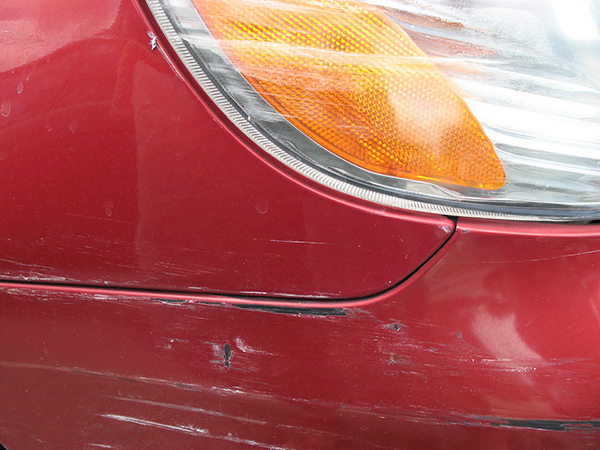
How to Repair Scratches on Your Car’s Paint: A Practical Guide
- By the dedicated team of editors and writers at Newsletter Station.
Your car’s exterior does more than get you from point A to B—it reflects your style, care, and attention to detail. Unfortunately, scratches are an unavoidable part of vehicle ownership. From tight parking spaces and road debris to everyday wear and tear, even careful drivers will eventually encounter paint damage.
The good news is that many scratches can be repaired at home with the right tools and techniques. Understanding the severity of the damage and choosing the correct repair method can help restore your vehicle’s appearance and protect its resale value.
Here’s a step-by-step guide to effectively repairing car paint scratches.
Evaluate the Scratch Damage
Before starting any repair, it’s important to identify the depth of the scratch. Not all scratches are the same, and the repair method depends on how far the damage has penetrated the paint layers.
Types of scratches include:
Clear coat scratches: Light surface marks that are easiest to fix
Base coat scratches: Deeper damage affecting the color layer
Primer or metal exposure: Severe scratches requiring professional repair
A quick way to check is the “fingernail test”—if your nail catches in the scratch, it is likely more than surface level.
Gather the Right Repair Materials
Having the correct supplies makes the repair process smoother and more effective. Modern auto touch-up products are designed to blend with factory finishes for better results.
Essential tools include:
Automotive touch-up paint kit (matched to your vehicle color code)
Clear coat solution
Microfiber cloths
Rubbing or polishing compound
Fine-grit sandpaper (2000–3000 grit)
Masking or painter’s tape
Mild soap and water
Many newer touch-up kits now include precision applicators or pens for more controlled application.
Clean the Damaged Area Thoroughly
Proper cleaning is critical before any repair work begins. Dirt, wax, or debris can interfere with adhesion and lead to uneven results.
Wash the area using mild soap and water, then dry it completely with a microfiber cloth. For best results, you can also use an automotive surface cleaner or isopropyl alcohol to remove wax and grease buildup.
Mask off the surrounding area with painter’s tape to protect undamaged paint.
Repair Light Surface Scratches
For minor clear coat scratches, a touch-up kit or polishing compound is often enough.
Steps include:
Apply a small amount of rubbing compound
Buff the area gently in circular motions
Wipe clean and inspect the finish
Repeat if necessary for improved clarity
In many cases, polishing alone can significantly reduce or completely remove light scratches.
Sand and Refinish Deeper Scratches
For scratches that penetrate beyond the clear coat, more advanced repair techniques may be needed.
Start by lightly sanding the area with fine-grit sandpaper to level the surface. Always keep the area wet while sanding to avoid further damage. Once smooth, apply touch-up paint in thin layers, allowing each coat to dry properly.
After the paint cures, apply a clear coat, then finish with a polishing compound to restore shine and blend the repair into the surrounding paint.
Patience is key—multiple thin layers yield better results than a single heavy application.
Know When to Call a Professional
Some scratches are too deep or extensive for DIY repair. If the damage exposes metal, covers a large area, or affects multiple panels, professional help is recommended.
An auto body shop can provide:
Color-matched refinishing
Paint blending for seamless results
Clear coat restoration
Rust prevention treatment
Panel repair if needed
Professional repair ensures long-lasting results and helps maintain your vehicle’s value.
Protecting Your Car’s Finish Long-Term
Preventing scratches is just as important as repairing them. Regular maintenance can help preserve your car’s paint and reduce future damage.
Helpful protection tips include:
Washing your car regularly with proper techniques
Applying wax or ceramic coating for added protection
Parking away from tight spaces when possible
Avoiding automatic car washes with harsh brushes
Using microfiber towels instead of abrasive materials
Modern ceramic coatings and paint protection films also offer long-term defense against minor scratches and environmental damage.
Keep Your Vehicle Looking Its Best
Car scratches may be frustrating, but they don’t have to affect your vehicle’s appearance permanently.y With the right approach—whether a simple polish or a more detailed repair—you can restore your car’s finish and maintain its value.
By addressing scratches early and using proper techniques, you’ll keep your vehicle looking clean, polished, and well-cared-for for years to come.