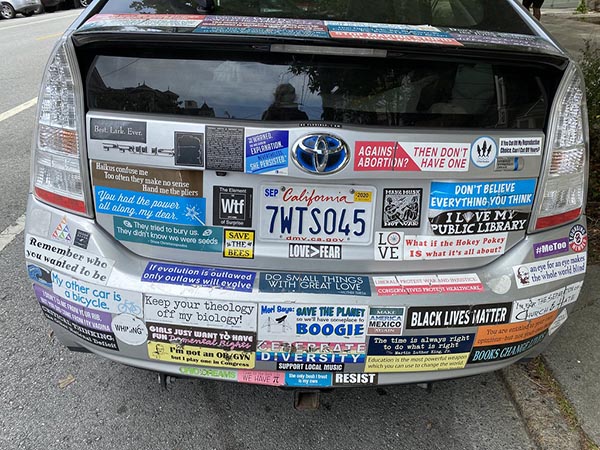
How to Remove Stickers from Your Car Without Damaging the Paint
- By the dedicated team of editors and writers at Newsletter Station.
Stickers and decals can personalize your vehicle, promote a favorite cause, or display parking permits and business logos. However, when it's time to remove them, doing so incorrectly can leave behind stubborn adhesive residue—or worse, damage your vehicle's paint.
Fortunately, with the right tools and a little patience, you can safely remove stickers from your car while preserving its finish. Follow these simple steps to restore your vehicle's clean, polished appearance.
Gather Your Supplies
Before getting started, you'll need a few basic items:
Hair dryer or adjustable heat gun (use low heat)
Plastic scraper or an old plastic credit card
Microfiber cloths
Automotive adhesive remover or rubbing alcohol
Car wash soap
Car wax or paint sealant
Avoid using metal scrapers, razor blades, or abrasive cleaning pads, as they can scratch your vehicle's paint.
Choose the Right Time
Warm temperatures make sticker removal much easier because heat softens the adhesive. If possible, work:
On a warm day
In a shaded area
On a clean, dry vehicle
Avoid removing stickers during freezing temperatures, as the adhesive becomes brittle and more difficult to remove.
Warm the Sticker
Use a hair dryer or heat gun set to a low setting to warm the sticker gently.
Hold the heat source approximately 6 to 8 inches from the surface and move it continuously to avoid overheating one spot. After 30 to 60 seconds, the adhesive should begin to soften.
Take care not to overheat the paint, especially on older vehicles.
Peel the Sticker Slowly
Once the adhesive has softened:
Lift one corner with a plastic scraper or a plastic card.
Pull the sticker back slowly at about a 45-degree angle.
Continue applying gentle heat if needed.
Removing the sticker slowly helps prevent tearing and reduces the amount of adhesive left behind.
Remove Remaining Adhesive
It's common for some adhesive residue to remain after the sticker has been removed.
Apply a small amount of automotive adhesive remover or rubbing alcohol to a microfiber cloth and gently wipe the affected area.
Allow the product to work for a minute if necessary before wiping again. Repeat until all residue has been removed.
Always test any cleaning product on a small, inconspicuous area first and follow the manufacturer's instructions.
Wash the Area
Once the adhesive is gone, wash the area with automotive car wash soap and water to remove any remaining cleaning product.
Dry the surface completely with a clean microfiber towel.
This helps prepare the paint for the final protective step.
Apply Wax or Paint Protection
Removing stickers may also remove some of the protective wax from your vehicle's finish.
After cleaning, apply a quality car wax or paint sealant to:
Restore shine
Protect the paint
Help repel dirt and contaminants
Blend the treated area with the surrounding finish
This simple step helps keep your vehicle looking its best.
Special Tips for Older Stickers
Older decals that have been exposed to years of sunlight may become brittle and difficult to remove. If this happens:
Apply heat several times instead of excessive force.
Remove the sticker in small sections.
Use additional adhesive remover as needed.
Consider professional detailing if the decal is severely weathered.
Patience is key to avoiding paint damage.
When Professional Help May Be Worth It
If your vehicle has specialty paint, ceramic coatings, custom graphics, or valuable finishes, professional detailers use specialized tools and products to safely remove stubborn decals without damaging the paint.
The cost of professional removal may be worthwhile if you're concerned about preserving your vehicle's appearance or resale value.
Removing stickers from your car doesn't have to be difficult. With the right tools, gentle heat, and tan adhesive remover, you can safely remove decals and residue without damaging your vehicle's paint.
Taking your time and finishing the job with a thorough wash and protective wax will leave your car looking clean, polished, and ready for the road. Whether you're preparing to sell your vehicle or simply updating its appearance, following these steps will help keep your car in excellent condition.