Tips for Maintaining Control and Improving Shooting Accuracy
- By the dedicated team of editors and writers at Newsletter Station.
Accurate shooting requires a combination of skill, discipline, and consistent practice. Whether you're new to firearms or have years of experience, refining your technique can significantly improve your performance and confidence. One of the most important aspects of shooting accuracy is maintaining proper control of your firearm throughout every stage of the shooting process.
From grip and stance to breathing and trigger control, small adjustments can lead to noticeable improvements in accuracy. In this guide, we'll explore essential techniques that can help shooters develop better control, enhance precision, and build safer shooting habits.
Start with a Proper Grip
The foundation of firearm control begins with a proper grip. A consistent and stable grip helps manage recoil, maintain sight alignment, and improve shot placement.
Use a Two-Handed Grip
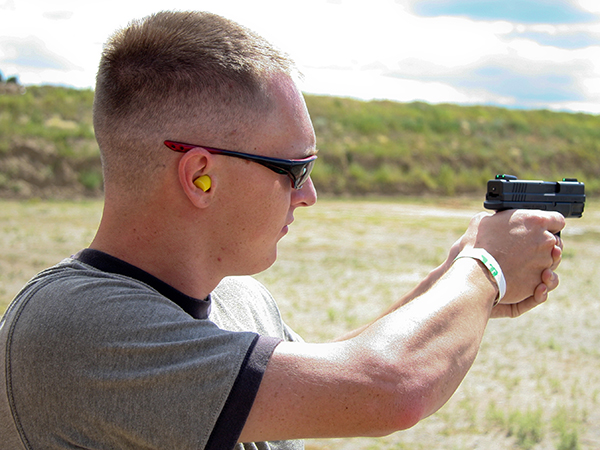
Whenever possible, use both hands to control the firearm. Your dominant hand should maintain a firm grip, while your support hand wraps securely around the exposed portion of the grip to provide additional stability.
Maintain Firm but Balanced Pressure
A grip that is too loose can reduce control, while excessive tension may cause fatigue and negatively affect accuracy. Aim for firm, consistent pressure that allows you to control the firearm without straining your muscles.
Keep Your Wrists Locked
Straight, stable wrists help manage recoil more effectively and allow the firearm to return to the target more consistently after each shot.
Master Trigger Control
Trigger control is one of the most critical skills for improving shooting accuracy. Even minor mistakes during trigger manipulation can cause shots to drift off target.
Apply Smooth, Consistent Pressure
Avoid jerking or slapping the trigger. Instead, apply slow and steady rearward pressure until the firearm discharges. Smooth trigger movement minimizes unwanted firearm movement.
Focus on the Surprise Break
Many experienced shooters strive for a "surprise break," where the shot occurs without anticipation. This technique helps reduce flinching and improves overall consistency.
Practice Trigger Reset
After firing, allow the trigger to move forward only until it resets, then prepare for the next shot. Learning proper trigger reset can improve control and efficiency during follow-up shots.
Build a Stable Shooting Stance
Your stance creates the foundation for balance, recoil management, and accuracy. A stable position helps maintain control while reducing unnecessary movement.
Find the Stance That Works for You
Popular shooting stances include:
Isosceles Stance
Weaver Stance
Modified Weaver Stance
Each offers unique advantages. Spend time practicing with different positions to determine which provides the best balance, comfort, and control for your shooting style.
Stay Relaxed but Engaged
While maintaining a solid posture, avoid excessive muscle tension. Relaxed muscles help reduce fatigue and promote smoother firearm handling.
Align Your Sights Properly
Consistent sight alignment is essential for accurate shooting. Focus on maintaining a clear sight picture and ensuring your sights remain aligned with your intended target throughout the firing process.
Improve Accuracy Through Breathing Control
Breathing can have a surprising impact on shooting precision. Learning to control your breathing helps minimize movement and stabilize your aim.
Take a Controlled Breath
Before taking a shot, inhale deeply and exhale slowly. This can help lower stress levels and reduce body movement caused by rapid breathing.
Use the Natural Respiratory Pause
After exhaling, your body naturally pauses before taking the next breath. This brief moment often offers maximum stability and is an ideal time to fire an accurate shot.
Practice Follow-Through
Many shooters focus heavily on the shot itself but overlook follow-through. Maintaining focus after the shot breaks is just as important as the preparation leading up to it.
Keep your sights on the target, maintain your grip, and avoid looking away or changing position immediately. Consistent follow-through helps reinforce proper shooting habits and improves shot consistency.
Strengthen Your Fundamentals Through Regular Practice
Developing shooting accuracy takes time and repetition. Regular training allows you to build muscle memory and reinforce proper techniques.
Consider incorporating:
Dry-fire practice (following all safety guidelines)
Target drills focused on precision
Slow-fire accuracy exercises
Professional instruction and coaching
Range sessions that emphasize fundamentals rather than speed
Consistent practice often produces greater improvements than occasional high-volume shooting sessions.
Always Prioritize Firearm Safety
No discussion about shooting skills is complete without emphasizing safety. Safe firearm handling should remain your top priority at all times.
Remember to:
Follow all firearm safety rules.
Treat every firearm as if it is loaded.
Keep your finger off the trigger until ready to shoot.
Always point the firearm in a safe direction.
Know your target and what lies beyond it.
Follow all local, state, and federal firearm laws and regulations.
Improving shooting accuracy requires dedication, patience, and attention to detail. By focusing on proper grip, trigger control, stance, breathing techniques, and consistent follow-through, shooters can develop greater firearm control and achieve more consistent results.
Whether you're a recreational shooter, competitive sharpshooter, or someone looking to strengthen fundamental firearm skills, mastering these techniques can help improve both accuracy and confidence. With regular practice and a commitment to safety, you'll continue building the skills needed for responsible and effective firearm handling.