Perfecting Your Firearm Draw: Safety, Consistency, and Responsible Training
- By the dedicated team of editors and writers at Newsletter Station.
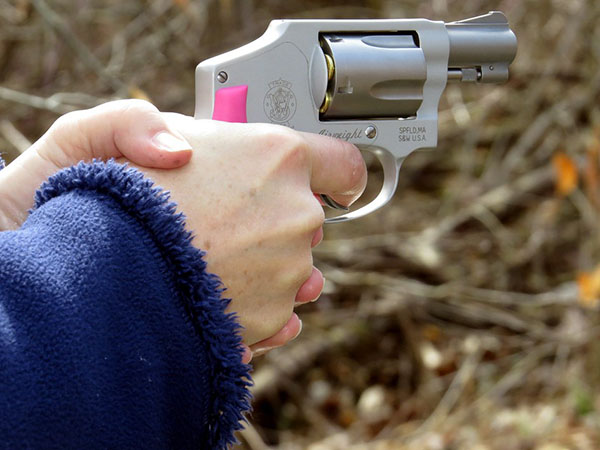
Drawing a firearm safely, efficiently, and consistently is an important skill for anyone who legally carries a firearm or participates in shooting sports. While speed often receives the most attention, a smooth, controlled draw built on proper safety habits is far more valuable than rushing the process. Developing good technique through structured practice and professional instruction helps build confidence while reducing the risk of unsafe firearm handling.
In this guide, we'll cover key principles that support a safe, consistent firearm draw while emphasizing responsible firearm ownership and ongoing training.
Always Make Safety Your Top Priority
Every training session should begin and end with firearm safety. Follow the fundamental rules of safe firearm handling at all times, including treating every firearm as if it is loaded, keeping your finger off the trigger until you have made the decision to fire, and ensuring the muzzle remains pointed in a safe direction.
If you're practicing at home, verify that your firearm is unloaded, remove all live ammunition from the practice area, and work in a distraction-free environment. Professional instruction can also help reinforce safe habits from the beginning.
Choose a Quality Holster
A properly fitted holster plays a significant role in both safety and consistency. It should securely retain the firearm, fully cover the trigger guard, and remain stable during normal movement.
When selecting a holster, consider factors such as comfort, durability, concealment, and compatibility with your specific firearm. A quality holster allows you to establish a consistent grip before the firearm leaves the holster, supporting safe and repeatable practice.
Practice Consistently
Skill development comes from regular, deliberate practice—not simply repeating movements as quickly as possible. Short, focused training sessions performed consistently are generally more effective than infrequent marathon sessions.
Many shooters incorporate dry practice into their routine because it allows them to reinforce proper fundamentals without the distractions of live fire. Always follow appropriate safety procedures during any practice session.
Develop a Consistent Grip
A proper grip begins before the firearm leaves the holster. Establishing a secure, repeatable grip helps improve overall firearm control and consistency throughout the presentation.
Avoid adjusting your grip after the firearm has been drawn whenever possible, as consistency contributes to smoother, more predictable handling during practice.
Build a Smooth, Repeatable Draw Stroke
Rather than focusing solely on speed, concentrate on developing a smooth, controlled sequence of movements. Eliminating unnecessary motion improves efficiency while helping maintain safe firearm handling.
Practice slowly at first, emphasizing consistency and proper technique. As your proficiency improves, efficiency naturally increases without sacrificing safety.
Prioritize Accuracy Over Speed
A fast draw has little value without proper control and accuracy. During range training, focus on maintaining consistent sight alignment and smooth trigger control while following all range rules and safety procedures.
Building accuracy first creates a solid foundation for future skill development.
Train Under Different Conditions
Once you've mastered the fundamentals under professional supervision, training may include practicing from various legal carry positions or realistic environments commonly encountered during lawful activities.
Working with qualified instructors can help ensure that any advanced practice is conducted safely and appropriately.
Review Your Technique
Recording your practice sessions can help identify inconsistencies that may otherwise go unnoticed. Reviewing your movements allows you to evaluate posture, grip, and overall efficiency while tracking improvement over time.
Constructive feedback from experienced instructors is also invaluable for refining your technique.
Invest in Professional Training
Certified firearms instructors provide structured instruction, personalized coaching, and valuable safety guidance that can be difficult to achieve through self-study alone.
Whether you're a new firearm owner or an experienced shooter, continuing education helps reinforce safe habits and improve overall proficiency.
Continue Learning
Responsible firearm ownership is an ongoing commitment. Training methods, equipment, and safety recommendations continue to evolve, making lifelong education an important part of maintaining your skills.
Reading reputable publications, participating in organized training opportunities, and staying current with applicable laws and regulations all contribute to responsible firearm ownership.
Responsible Training Builds Confidence
Developing a consistent firearm draw is about much more than speed—it's about safety, confidence, and responsible firearm handling. By practicing regularly, using quality equipment, seeking professional instruction, and continually reinforcing safe habits, firearm owners can build skills that support responsible use both on and off the range.
Remember that proficiency is developed over time through disciplined practice, patience, and a commitment to lifelong learning. Prioritizing safety in every training session helps ensure that responsible firearm ownership remains the foundation of every skill you build.