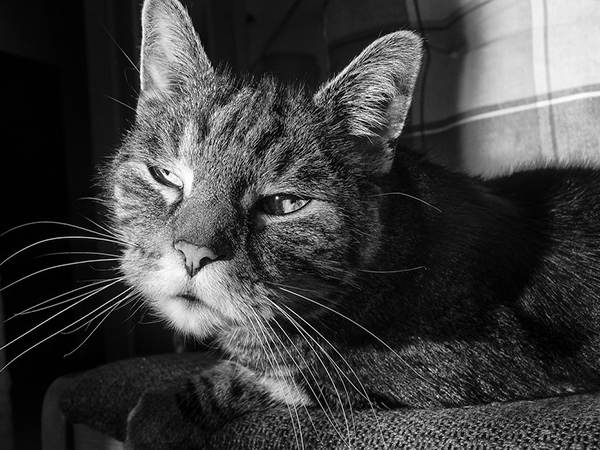
How to Care for an Aging Cat: Essential Tips for Comfort and Health
- By the dedicated team of editors and writers at Newsletter Station.
As our feline companions enter their senior years, their needs begin to change in subtle but important ways. Just like humans, aging cats experience physical, behavioral, and emotional shifts that require thoughtful care and attention.
Understanding these changes and adapting your routine can help your cat remain comfortable, healthy, and content well into their golden years.
Below are the best ways to support your aging cat’s overall well-being.
Schedule Regular Veterinary Check-Ups
Routine veterinary visits become increasingly important as cats age. Senior cats are more prone to conditions such as arthritis, dental disease, kidney issues, thyroid disorders, and diabetes. Semi-annual check-ups allow your veterinarian to detect problems early, adjust care plans, and manage chronic conditions more effectively.
Provide Tailored Senior Nutrition
Nutrition plays a key role in supporting longevity and vitality. Senior cat foods are typically formulated with fewer calories, high-quality protein, and nutrients that support joint health, digestion, and immune function. Always consult your veterinarian before making dietary changes to ensure your cat’s specific health needs are met.
Encourage Proper Hydration
Older cats are at greater risk for dehydration, which can worsen kidney and urinary health. Place fresh water in multiple, easily accessible areas. Many cats prefer moving water, so pet fountains can help encourage increased drinking.
Prioritize Dental Health
Dental issues can cause pain, weight loss, and infection if left untreated. Regular dental exams, gentle toothbrushing, and vet-approved dental treats can help maintain oral health and improve your cat’s comfort while eating.
Create a Comfortable Living Environment
Aging cats benefit from a home environment that minimizes joint strain. Provide soft, supportive bedding, low-entry litter boxes, and easy access to favorite resting spots. Heated beds or warm blankets can help soothe stiff joints, especially in cooler months.
Support Exercise and Mental Stimulation
While senior cats may slow down, regular movement and mental engagement are still essential. Short, gentle play sessions with interactive toys help maintain mobility and cognitive health. Puzzle feeders also encourage problem-solving while slowing eating.
Follow Medication and Supplement Plans
If your cat has a diagnosed condition, follow your veterinarian’s treatment plan closely. Some cats may benefit from supplements such as omega-3 fatty acids or joint-support formulas, but these should only be given under veterinary guidance.
Manage Weight Carefully
Maintaining a healthy weight reduces stress on joints and organs. Monitor portion sizes, avoid excessive treats, and consult your vet for guidance if weight gain or loss becomes a concern.
Maintain Regular Grooming
Senior cats may struggle to groom themselves fully. Regular brushing helps prevent mats, reduces shedding, and allows you to check for skin changes, lumps, or discomfort. Grooming sessions can also be calming and bonding experiences.
Offer Emotional Support and Routine
Emotional well-being is just as important as physical care. Aging cats thrive on consistency, calm environments, and affection. Maintain predictable routines, offer gentle interaction, and provide reassurance to help reduce stress and anxiety.
Caring for an aging cat is a rewarding commitment that requires patience, awareness, and compassion. By providing attentive veterinary care, proper nutrition, a comfortable environment, and emotional support, you can help your senior cat enjoy a happy, healthy life.
Every cat ages differently, so partnering with your veterinarian ensures your care approach is tailored to your feline companion’s unique needs.