How to Get Rid of Fleas in Your Home and Prevent Future Infestations
- By the dedicated team of editors and writers at Newsletter Station.
Fleas are small but incredibly persistent pests that can quickly become a major problem for homeowners and their pets. These tiny insects reproduce rapidly, and an infestation can spread throughout carpets, furniture, bedding, and outdoor areas before you even realize there is an issue.
While fleas are most commonly associated with dogs and cats, they can also bite humans and create discomfort throughout your home. Successfully eliminating fleas requires more than treating the visible insects—it involves breaking the entire flea life cycle by addressing adult fleas, eggs, and larvae.
With patience, consistency, and the right approach, you can remove fleas from your home and help prevent their return.
Confirm You Have a Flea Problem
Before beginning treatment, it is important to confirm that fleas are the cause of the problem.
Adult fleas are small, reddish-brown insects that are typically only a few millimeters long. They move quickly and can jump impressive distances, making them difficult to catch.
Common signs of fleas include:
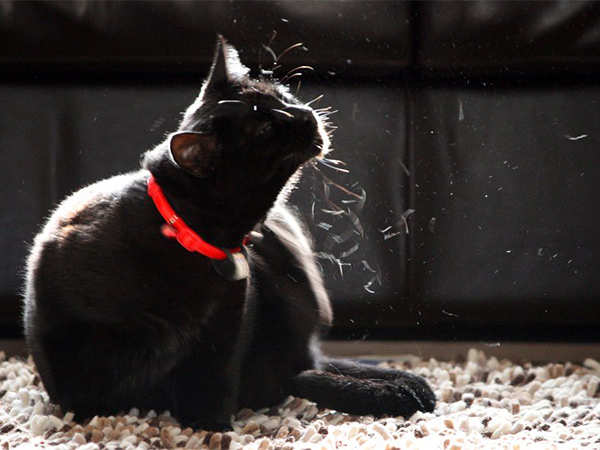
Excessive scratching or licking from pets
Small red bites on people or animals
Tiny black specks on pet bedding or fur (often called flea dirt)
Fleas jumping on carpets, furniture, or clothing
Identifying the problem early can make treatment easier and help prevent the infestation from becoming more widespread.
Treat Your Pets First
Pets are one of the most common ways fleas enter a home. If your dog or cat has fleas, treating the environment alone will not solve the problem.
Inspect your pets carefully, paying attention to areas around the neck, tail, and belly. If you notice signs of fleas, talk with your veterinarian about safe treatment options, including:
Prescription flea preventatives
Topical treatments
Oral medications/li>
Flea shampoos
Your veterinarian can recommend the best option based on your pet's age, health, and lifestyle.
Treating your pets is essential because fleas can continue reproducing if they remain on their host.
Vacuum Your Home Thoroughly
Vacuuming is one of the most effective steps in flea removal because it helps eliminate adult fleas, eggs, and larvae from your home.
Focus on areas where fleas are most likely to hide, including:
Carpets and rugs
Upholstered furniture
Pet bedding
Cracks and corners
Baseboards
Areas where pets frequently rest
Vacuum frequently during an infestation, as flea eggs can continue developing after the initial cleaning. Empty the vacuum immediately afterward by sealing and disposing of the contents outdoors to prevent fleas from escaping.
Wash Bedding and Fabrics
Fleas and their eggs can hide in soft materials throughout your home.
Wash items that may have been exposed, including:
Pet beds
Blankets
Pillow covers
Rugs
Bedding
Washable furniture covers
Use the hottest water setting safe for the fabric, and dry items on high heat when possible. Heat helps kill fleas in multiple life stages.
Treat Your Home Environment
Because fleas can survive in different stages of their life cycle, treating your home is an important part of complete removal.
Depending on the severity of the infestation, homeowners may use flea sprays, powders, or other pest-control products designed specifically for indoor use.
Always follow product instructions carefully and keep pets and family members away from treated areas until they are safe to re-enter.
For severe infestations, professional pest control services may provide more comprehensive treatment options.
Use Flea Traps to Monitor Activity
Flea traps can help identify whether fleas are still active in your home.
Many traps use light and warmth to attract adult fleas onto a sticky surface. Place traps near areas where pets spend the most time, such as sleeping areas or frequently used rooms.
While traps are not usually enough to eliminate an entire infestation, they can be useful for monitoring progress after treatment.
Address Outdoor Areas
If your pets spend time outdoors, your yard may also contribute to recurring flea problems.
To reduce outdoor flea populations:
Keep grass trimmed
Remove piles of leaves and yard debris
Maintain shaded areas where fleas thrive
Wash outdoor pet bedding regularly
Consider pet-safe outdoor treatments if needed
Fleas prefer warm, humid environments, so reducing potential hiding places can make your yard less attractive.
Maintain Ongoing Flea Prevention
Preventing future infestations is much easier than treating an established one.
Create a regular flea prevention routine by:
Using veterinarian-recommended flea prevention products
Vacuuming regularly
Washing pet bedding frequently
Checking pets after outdoor activities
Keeping living areas clean and dry
Consistency is key because flea eggs and larvae can remain in the environment for weeks or longer before becoming adults.
A Flea-Free Home Requires a Complete Approach
Getting rid of fleas takes time, but a thorough approach can successfully eliminate these persistent pests. Treating your pets, cleaning your home, addressing outdoor areas, and maintaining prevention habits all work together to break the flea life cycle.
By staying consistent and responding quickly at the first signs of fleas, you can protect your home, keep your pets comfortable, and enjoy a cleaner, healthier living environment.