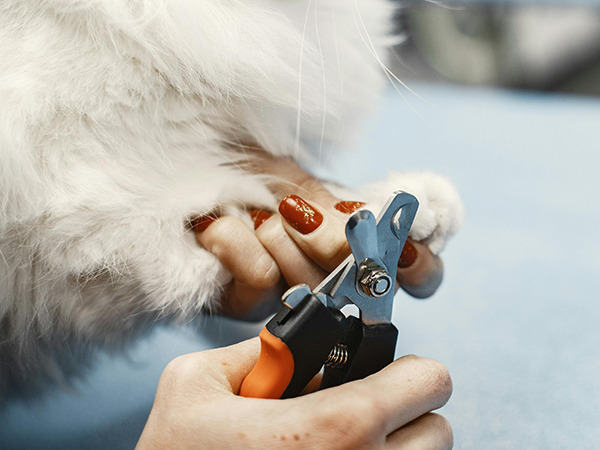
How to Safely and Comfortably Trim Your Dog’s Nails at Home
- By the dedicated team of editors and writers at Newsletter Station.
Keeping your dog's nails trimmed is essential to their overall health, comfort, and mobility. Overgrown nails can cause pain, change walking posture, and potentially lead to joint or paw issues. Despite this, many pet owners find nail trimming stressful or intimidating. With a calm approach, the right tools, and a bit of practice, you can confidently manage routine nail care at home.
This guide covers the tools you need, how to prepare your dog, step-by-step trimming tips, and when to get professional help.
Gather Your Supplies
Having the right supplies ready helps make the process quick, safe, and efficient:
Dog Nail Clippers
Choose a high-quality pet clipper. Guillotine and scissor-style are popular options—pick one that feels stable and comfortable in your hand.
Styptic Powder
Essential for quickly stopping bleeding if you cut into the quick.
Treats
High-value treats keep your dog motivated and help reinforce good behavior.
A Quiet, Well-Lit Area
Bright lighting makes it easier to see quickly and avoid mistakes. Reduce distractions to keep your dog calm.
Bonus Tip: Some owners prefer a nail grinder, which gently sands nails and reduces the risk of cuts. It can be noisy, but it’s a great option for nervous pets.
Understand Nail Anatomy
Each nail has a hard outer shell and a sensitive inner section called the quick, which contains blood vessels and nerves. Cutting the quick causes pain and bleeding, so aim to trim just the tip of the nail.
Light-colored nails make the quick easier to see, while dark nails require extra patience and small, careful cuts.
Help Your Dog Get Comfortable
A calm, confident dog makes trimming safer and faster. Work on:
Touch Sensitization
Regularly handle paws so your dog gets used to being touched.
Positive Associations
Pair handling with praise, treats, and gentle encouragement.
Tool Familiarity
Let your dog sniff and hear the tools, so they’re less intimidating.
Short, positive sessions build trust and reduce anxiety over time.
Choose the Right Time
Pick a time when your dog is relaxed—after exercise, a walk, or playtime is ideal. Avoid trimming when your pet is hungry, overly excited, or anxious.
Step-by-Step Nail Trimming Guide
Inspect Each Nail
Identify the quick if visible. When nails are dark, trim in tiny increments.
Position Your Dog
Sitting, lying down, or being gently held—whichever keeps them calm and stable.
Trim Gradually
Clip a little at a time, cutting parallel to the nail. When unsure, less is better.
Use Styptic Powder if Needed
Accidents happen. Apply the powder immediately, then take a short break.
Reward Frequently
Praise early, praise often, and use treats generously.
Take Breaks as Needed
Stress increases risk. Work slowly and pause if tension rises.
Maintain a Regular Schedule
Regular trims keep nails short and make each session easier.
Signs Your Dog’s Nails Need Trimming
Clicking sounds on hard floors
Difficulty walking
Paw licking or chewing
Nails curling under
Aim to trim every 3–6 weeks, depending on breed, lifestyle, and growth rate.
When to Seek Professional Help
If you’re uncomfortable trimming your dog's nails, your dog reacts aggressively, or the nails are extremely long, consult a groomer or veterinarian. A pro can provide a safe trim and help create a positive experience for nervous pets.
Nail trimming is a vital part of dog care that prevents discomfort, injuries, and long-term mobility issues. With the right tools, preparation, and patience, most pet owners can successfully manage nail trims at home.
By creating a calm environment, taking your time, and reinforcing good behavior, you can make nail trimming a positive routine for both you and your furry companion.