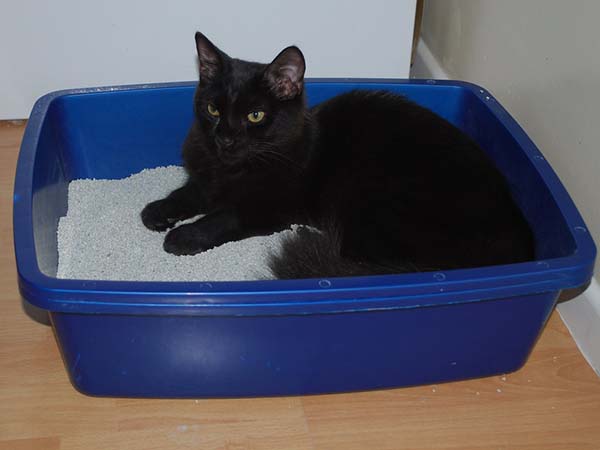
How to Litter Train a Kitten: A Practical Guide for New Cat Owners
- By the dedicated team of editors and writers at Newsletter Station.
Bringing home a new kitten is an exciting milestone. Along with cuddles and playtime comes the important responsibility of litter training. Proper litter box training sets the foundation for a clean, stress-free home and supports your kitten’s long-term health and behavior.
The good news? Most kittens naturally develop litter habits quickly with patience, consistency, and the right setup. Here’s a step-by-step guide to successful kitten litter training.
Start at the Right Time
Many kittens begin learning litter habits around three to four weeks of age. If you’re adopting from a shelter or breeder, your kitten may already have basic exposure to a litter box.
Older kittens and adult cats can absolutely be trained, but they may need extra patience and routine to adjust to a new environment.
Choose the Right Litter Box
The size and style of the litter box matter more than many new owners realize.
Look for:
A low-entry box for small kittens
Enough space for your kitten to turn around comfortably
A quiet, low-traffic location
Easy access at all times
Avoid placing the box near loud appliances, food bowls, or busy hallways. As your kitten grows, transition to a larger box. A common rule is one litter box per cat, plus one extra if you have multiple cats.
Select Kitten-Friendly Litter
There are many litter types available today, including clumping, non-clumping, crystal, paper-based, and natural options.
For young kittens:
Unscented litter is typically best
Non-clumping litter is often recommended initially to reduce ingestion risks
Avoid strong fragrances that may discourage use
If switching litter types later, do so gradually by mixing old and new litter over several days.
Keep the Litter Box Clean
Cleanliness is essential for consistent use of the litter box. Cats instinctively prefer a tidy space.
Best practices include:
Scooping waste daily
Fully changing litter weekly (or as needed)
Washing the box with mild soap and water regularly
A dirty litter box is one of the most common reasons cats avoid using it.
Watch for Bathroom Cues
Kittens often need to eliminate:
Shortly after eating
After waking from naps
After active play
If you notice sniffing, scratching, or circling behaviors, gently place your kitten in the litter box. Keep interactions calm and supportive.
Routine helps reinforce the habit.
Use Positive Reinforcement
When your kitten uses the litter box successfully, offer praise, gentle petting, or a small treat. Positive reinforcement builds strong associations and increases success.
Avoid overreacting — consistency and calm encouragement are key.
Never Use Punishment
Accidents happen, especially during the adjustment period. Punishing a kitten can create fear, anxiety, and long-term behavioral issues.
Instead:
Clean accidents promptly
Use enzymatic cleaners to remove odor completely
Avoid ammonia-based products, which may mimic urine scent
Proper cleaning helps prevent repeat accidents at the same location.
Maintain a Consistent Routine
Cats thrive on predictability. Feed your kitten at regular times, keep the litter box location consistent, and avoid sudden environmental changes when possible.
If you move the litter box, do so gradually to prevent confusion.
Rule Out Medical Issues
If your kitten suddenly stops using the litter box or shows signs of discomfort, consult your veterinarian. Urinary tract infections, digestive issues, or stress-related conditions can interfere with litter habits.
Early intervention ensures your kitten stays healthy and comfortable.
Litter training a kitten is typically a smooth process with the right preparation and approach. By choosing the proper litter box, maintaining cleanliness, reinforcing positive behavior, and staying patient, you’ll set your kitten up for long-term success.
A well-trained cat means a cleaner home and a happier household. With time and consistency, your kitten will develop reliable litter habits that last a lifetime.