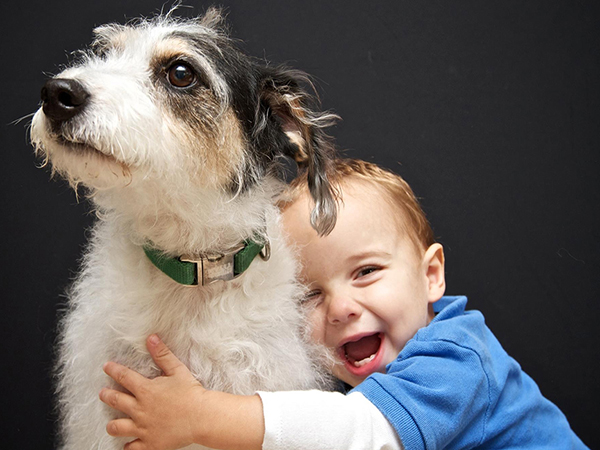
How to Safely Introduce Your Baby to Your Dog or Cat
- By the dedicated team of editors and writers at Newsletter Station.
Welcoming a new baby into your family is an exciting milestone, but it also brings significant changes—especially if you already share your home with a dog or cat. Introducing your baby to a pet is a meaningful step that requires preparation, patience, and thoughtful supervision.
With the right approach, you can help create a calm, positive environment where your child and pet can safely coexist and eventually form a loving, lifelong bond. Below are practical, up-to-date tips to make this transition as smooth and stress-free as possible.
Prepare Your Pet in Advance
Before your baby arrives, take time to prepare your pet for the changes ahead. Start with a veterinary checkup to confirm vaccinations, parasite prevention, and overall health are up to date. Then focus on behavior and routine adjustments:
Reinforce basic training: Review commands like sit, stay, and leave it. If needed, work with a professional trainer to strengthen obedience and impulse control.
Desensitize to baby cues: Gradually introduce baby-related sounds and smells, such as recordings of crying, baby lotion, or nursery items. This helps reduce anxiety and surprise later.
Set boundaries early: Decide which rooms or furniture will be off-limits once the baby arrives, and implement these changes gradually so your pet can adjust comfortably.
Create a Safe Space for Your Pet
Every pet needs a calm retreat. Set up a quiet, designated space with their bed, toys, food, and water where they can relax undisturbed. Ensure this area remains a pet-free zone so your pet always has a place to decompress.
Introduce Slowly and Calmly
When it’s time for the first introduction, choose a quiet moment when your pet is relaxed. Have another adult hold the baby while you greet your pet first. Allow your pet to observe from a safe distance, and reward calm behavior with praise or treats. Never force interaction—letting curiosity develop naturally helps build trust.
Supervision Is Essential
Always supervise interactions between your baby and your pet, especially during the early stages. Even gentle, well-trained animals may react unpredictably to sudden movements or noises. Watch body language closely and step in if either your pet or baby seems uncomfortable.
Maintain Familiar Routines
Consistency is reassuring for pets. Try to keep feeding times, walks, and play sessions as close to normal as possible. Maintaining familiar routines can reduce stress and prevent attention-seeking or anxiety-related behaviors.
Teach Gentle Interaction Over Time
As your child grows, begin teaching respectful behavior around pets. Encourage gentle touches, calm voices, and appropriate interaction. Reinforce the idea that pets are living beings—not toys—and should always be treated with kindness.
Be Patient With the Process
Adjusting to a new family dynamic takes time for everyone. Some pets adapt quickly, while others need weeks or months to feel fully comfortable. Stay patient, offer reassurance, and celebrate small positive moments along the way.
Seek Professional Support When Needed
If your pet shows signs of aggression, fear, or extreme anxiety, consult a certified trainer or animal behaviorist promptly. Professional guidance can help prevent issues from escalating and ensure a safe home for both your child and your pet.
A Loving Relationship Takes Time
Introducing your baby to a dog or cat is not a single moment—it’s an ongoing process. With thoughtful preparation, consistent supervision, and compassion for your pet’s needs, you can foster a safe and nurturing relationship that benefits your entire family.
Over time, your baby and pet can grow together, creating cherished memories and a bond built on trust, respect, and companionship.