How to Stop Your Puppy from Chewing Everything: 8 Proven Tips That Really Work
- By the dedicated team of editors and writers at Newsletter Station.
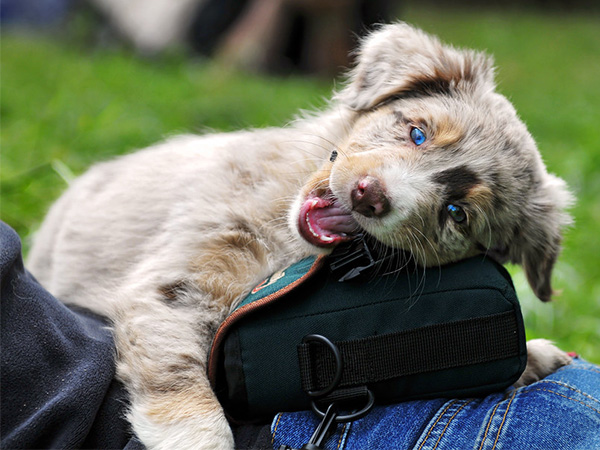
Puppies are adorable bundles of energy, curiosity, and affection—but they also have an instinct to chew. While it may be frustrating to find your favorite shoes, furniture, or electrical cords covered in tiny teeth marks, chewing is an important part of your puppy's development. It helps relieve teething discomfort, reduces boredom, and allows puppies to explore their surroundings.
The good news is that you don't have to eliminate chewing—you need to redirect it. With patience, consistency, and the right training techniques, you can protect your belongings while helping your puppy develop healthy habits.
Here are eight effective ways to stop your puppy from chewing on everything in sight.
Puppy-Proof Your Home
The best way to prevent destructive chewing is to eliminate temptation before it becomes a habit.
Take a close look around your home from your puppy's perspective. Remove or secure anything they might find interesting, including:
Electrical cords
Shoes and clothing
Children's toys
Houseplants that may be toxic to pets
Small objects that could become choking hazards
Remote controls and phone chargers
Use baby gates or exercise pens to limit access to rooms where you can't supervise your puppy. The fewer opportunities they have to chew inappropriate items, the easier training becomes.
Provide Plenty of Safe Chew Toys
Puppies need appropriate outlets for their chewing instincts. Offer a variety of durable chew toys designed specifically for puppies.
Look for toys made from:
Durable rubber
Puppy-safe nylon
Natural rubber
Veterinary-approved teething materials
Different textures help satisfy your puppy's urge to chew while keeping them interested. You can also try treat-dispensing toys or puzzle feeders, which combine mental stimulation with chewing and help reduce boredom.
Choose Toys Carefully
Not every pet toy is suitable for every puppy. Select toys that match your puppy's age, breed, and chewing strength.
Avoid toys that:
Break apart easily
Have loose pieces that could be swallowed
Are too small and present a choking hazard
Inspect toys regularly for wear and replace damaged ones promptly. Rotating several toys every few days also keeps them feeling new and exciting, reducing the likelihood your puppy will look elsewhere for entertainment.
Use Pet-Safe Chew Deterrents
If your puppy consistently targets furniture, baseboards, or cords, a pet-safe bitter-tasting deterrent spray can help discourage the behavior.
Before applying any spray:
Test it on a hidden area first.
Follow the manufacturer's directions.
Reapply as recommended.
Remember that deterrent sprays work best when combined with training—not as a standalone solution.
Teach the "Leave It" Command
Teaching "Leave It" is one of the most valuable commands your puppy can learn.
Start with a simple exercise:
Hold a treat in your closed hand.
Allow your puppy to investigate.
Calmly say "Leave it."
Wait until they stop pawing or sniffing.
Immediately reward them with a different treat from your other hand.
Practice regularly and gradually increase the difficulty by using toys or household objects. Eventually, your puppy will learn that ignoring tempting items earns better rewards.
Reward Good Chewing Habits
Positive reinforcement remains one of the most effective training methods.
Whenever you notice your puppy chewing on an approved toy, immediately reward them with:
Praise
Gentle affection
A favorite treat
A short play session
The more often your puppy experiences positive outcomes from choosing appropriate items, the faster those behaviors become lifelong habits.
Avoid punishment after the fact, as puppies won't understand why they're being corrected if the chewing happened minutes earlier.
Increase Exercise and Mental Stimulation
Many puppies chew simply because they're bored or have excess energy.
A well-exercised puppy is typically much less interested in destroying household items.
Provide daily opportunities for:
Walks appropriate for their age
Interactive play
Fetch
Basic obedience training
Food puzzles
Snuffle mats
Short training sessions throughout the day
Mental enrichment can tire a puppy just as effectively as physical activity.
Use Crate Training Appropriately
Crate training is an excellent management tool when you can't actively supervise your puppy.
A properly introduced crate should become a safe, comfortable space—not a punishment.
Make the crate inviting by providing:
Comfortable bedding
Safe chew toys
A stuffed food toy for enrichment
When used correctly, crate training not only prevents destructive chewing but also supports house training and helps puppies develop healthy routines.
Be Patient and Stay Consistent
Every puppy develops at their own pace. Some outgrow excessive chewing quickly, while others continue chewing well into adolescence. Consistency is the key to success.
If your puppy repeatedly chews inappropriate items despite training, consider whether they may need more exercise, additional mental stimulation, or closer supervision. In rare cases, excessive chewing may indicate anxiety or another health concern, so consult your veterinarian if the behavior seems unusual or suddenly worsens.
With a puppy-proofed home, plenty of safe chew toys, consistent training, and lots of positive reinforcement, your puppy will learn what is—and isn't—appropriate to chew. Before long, you'll have a happier, healthier companion and far fewer surprise chew marks around the house.