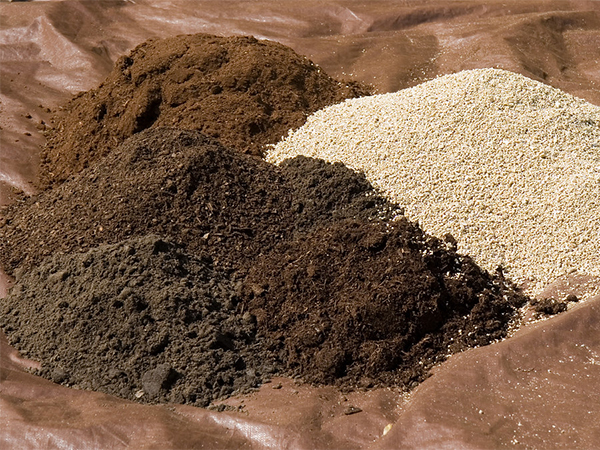
Peat Moss: Uses, Benefits, and Environmental Considerations for Gardeners
- By the dedicated team of editors and writers at Newsletter Station.
Peat moss is a versatile and widely used organic material in gardening and horticulture. Its unique properties make it a cornerstone for soil improvement, container gardening, and the support of acid-loving plants.
In this blog post, we’ll explore what peat moss is, how to use it effectively, its advantages, and the environmental considerations you should keep in mind when incorporating it into your gardening practices.
What is Peat Moss?
Peat moss, commonly referred to as “peat,” is an organic material that forms in waterlogged, acidic environments where dead plant matter accumulates and partially decomposes over centuries. Most peat moss comes from sphagnum moss, a resilient species that thrives in these boggy conditions. Layers of decomposed plant matter compact over time, producing peat with excellent water retention and soil-conditioning qualities.
Uses of Peat Moss
Peat moss is a gardener’s go-to solution for improving soil health, supporting plant growth, and enhancing container gardening. Some of its most common uses include:
Soil Amendment:
Peat moss improves soil structure, particularly in clay soils, by loosening compacted soil. This promotes root growth, enhances water infiltration, and increases nutrient availability.
Container Gardening:
In potting mixes, peat moss helps maintain moisture levels and prevents soil from drying out too quickly, resulting in healthier container plants.
Acid-Loving Plants:
Its naturally acidic pH makes peat moss ideal for plants like blueberries, azaleas, and rhododendrons, which thrive in acidic soil conditions.
Seed Starting:
Peat moss has a delicate, soft texture that creates an excellent medium for germinating seeds and supporting delicate seedlings.
Mulch:
When used as mulch, peat moss conserves soil moisture and insulates plant roots, especially in colder climates, though it is less common than other mulching materials.
Advantages of Peat Moss
Peat moss offers numerous benefits that make it a staple in gardening:
Excellent Water Retention:
Its spongy structure holds water efficiently, making it ideal for plants that require consistent moisture.
Improved Aeration:
Peat moss helps prevent soil compaction, encouraging healthy root development and improved soil structure.
pH Regulation:
Its natural acidity can help balance alkaline soils, allowing a wider variety of plants to thrive.
Disease Resistance:
Peat moss has mild antimicrobial properties, which can reduce the prevalence of soil-borne diseases.
Sustainability Potential:
When harvested responsibly, peat moss is a renewable resource. Managed peat bogs can continue to produce peat for decades.
Environmental Considerations
While peat moss is beneficial, gardeners should be aware of the environmental impact of unsustainable harvesting:
Habitat Loss:
Peat bogs are critical ecosystems supporting unique flora and fauna. Overharvesting can threaten these habitats.
Carbon Release:
Peat bogs act as natural carbon sinks. Draining and harvesting peat releases stored carbon, contributing to climate change.
Sustainable Sourcing:
Seek peat moss labeled as “sustainably harvested sphagnum peat.” Responsible practices include careful extraction, bog restoration, and ecosystem preservation.
Alternative Soil Amendments:
Consider eco-friendly alternatives such as coconut coir, compost, or leaf mold, which offer similar benefits without harming peatlands.
Peat moss is a valuable resource for gardeners, offering improved soil structure, water retention, and plant support. However, its use comes with environmental responsibilities. By sourcing sustainably, limiting use, and exploring alternatives, gardeners can enjoy its benefits while preserving peat bog ecosystems and mitigating climate impact.
Making informed choices ensures that your garden thrives today while protecting the environment for future generations.