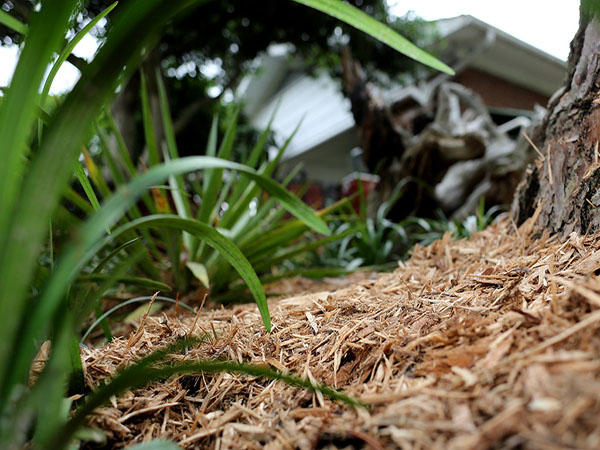
The Benefits of Straw Mulch: How to Use It for a Healthier, More Productive Garden
- By the dedicated team of editors and writers at Newsletter Station.
Gardening remains one of the most rewarding ways to connect with nature—whether you’re growing fresh vegetables, colorful flowers, or both. But maintaining healthy soil and strong plants takes more than watering and sunlight. One simple, cost-effective solution that delivers powerful results is straw mulch.
Straw mulch not only improves the appearance of your garden beds but also supports soil health, moisture retention, and weed control. In today’s climate of rising temperatures and unpredictable rainfall, mulching has become even more important for sustainable gardening success.
Here’s what you need to know about the benefits of straw mulch and how to apply it effectively.
Why Use Straw Mulch in Your Garden?
Moisture Retention
Straw mulch acts as a protective barrier over the soil, reducing evaporation and helping retain consistent moisture levels. This is especially valuable during hot summer months or dry spells when plants are vulnerable to drought stress.
By maintaining soil moisture, straw mulch can reduce watering frequency, saving time and conserving water.
Weed Suppression
Weeds compete with your plants for nutrients, sunlight, and water. A 2–4 inch layer of straw blocks sunlight from reaching weed seeds, significantly reducing germination and growth.
Fewer weeds means more time enjoying your garden and less reliance on chemical herbicides.
Temperature Regulation
Straw acts as natural insulation. It keeps soil cooler in the summer and helps protect plant roots from sudden temperature drops in early spring and fall. Stable soil temperatures encourage stronger root systems and healthier plant development.
Improved Soil Health
As straw gradually breaks down, it adds organic matter to the soil. This improves soil structure, enhances microbial activity, and promotes better drainage and aeration. Over time, your soil becomes richer and more fertile—supporting long-term garden productivity.
Erosion Control
Heavy rain can wash away topsoil and nutrients, especially in sloped garden beds. Straw mulch cushions rainfall impact and helps prevent soil erosion, keeping your garden beds intact and nutrient-rich.
How to Apply Straw Mulch Effectively
Using straw mulch properly ensures you maximize its benefits without creating unintended issues.
Prepare Your Garden Beds
Remove weeds, debris, and old plant material before applying mulch. Water the soil lightly if it’s dry to lock in moisture before covering.
Choose Seed-Free Straw
Select clean, seed-free straw to avoid introducing unwanted weeds into your garden. Wheat straw is a popular option because it’s lightweight, easy to spread, and typically low in seeds. Avoid hay, which often contains grass and weed seeds.
Apply the Right Depth
Spread straw evenly across the soil surface at a depth of 2–4 inches. Leave a small gap around plant stems and crowns to prevent excess moisture buildup, which can lead to rot or disease.
Monitor and Refresh
Straw decomposes naturally over time. Replenish your mulch layer once or twice a year, depending on climate and breakdown rate. Adding fresh straw helps maintain moisture control and weed suppression.
Watch for Pests
While straw mulch is highly beneficial, it can sometimes provide shelter for slugs or snails. If pests become an issue, use natural deterrents, barriers, or targeted organic solutions to protect your plants.
Straw Mulch vs. Other Mulching Options
Compared to wood chips or synthetic mulches, straw is lightweight, affordable, and easy to apply. It’s especially effective in vegetable gardens, raised beds, and seasonal planting areas where soil enrichment is a priority.
For small-business nurseries, community gardens, or home growers, straw mulch offers an eco-friendly, budget-conscious solution that delivers noticeable results.
Build a Healthier Garden, Naturally
Straw mulch is a simple yet powerful tool for improving soil health, reducing weeds, conserving moisture, and protecting plants from temperature extremes. With proper application and routine maintenance, it can significantly boost garden productivity and sustainability.
By incorporating straw mulch into your gardening routine, you create a more resilient growing environment—one that supports healthier plants and a more enjoyable gardening experience year after year.