Perennial Vegetables: Plant Once and Harvest for Years
- By the dedicated team of editors and writers at Newsletter Station.
Gardening is a rewarding hobby that brings fresh, healthy produce to your table while helping you connect with nature. While many gardeners focus on annual vegetables that must be replanted each year, perennial vegetables offer a long-lasting, low-maintenance alternative.
Perennial vegetables return season after season once established, producing reliable harvests with far less effort than annual crops. They help reduce planting time, improve soil stability, and support more sustainable gardening practices. With the right varieties, you can enjoy years—even decades—of productive harvests from a single planting.
Below are several excellent perennial vegetables that can add long-term value and flavor to your garden.
Asparagus (Asparagus officinalis)
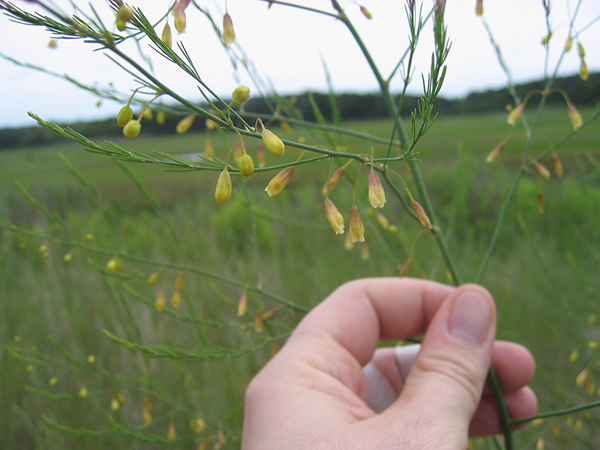
Asparagus is one of the most popular perennial vegetables and a staple in many home gardens. Once established, asparagus beds can produce tender spears for 15 to 20 years or more. Although the plants take two to three years to establish, the long-term harvest fully makes the wait worthwhile.
Plant asparagus crowns in a sunny location with well-drained, fertile soil. Raised beds or deeply amended garden rows work well. Keep the area weed-free and maintain consistent moisture during the growing season. Adding compost annually helps keep plants productive for many years.
Rhubarb (Rheum rhabarbarum)
Rhubarb is a hardy perennial known for its tart, flavorful stalks often used in pies, sauces, and jams. In cooler climates, rhubarb can thrive for a decade or longer with minimal care, making it a dependable addition to many backyard gardens.
Choose a location with full sun to partial shade and rich, well-drained soil. Rhubarb benefits from regular watering and occasional compost or organic fertilizer. Remove flower stalks when they appear so the plant can focus its energy on producing large, healthy stalks.
Jerusalem Artichoke (Helianthus tuberosus)
Jerusalem artichokes—also called sunchokes—are productive perennial plants that produce edible underground tubers with a slightly nutty flavor. They can be roasted, sautéed, or added to soups and stews.
These tall plants grow best in full sun and loose, well-draining soil. Because Jerusalem artichokes spread quickly, many gardeners plant them in a designated area or raised bed to prevent them from taking over the garden. Tubers are typically harvested in late fall after the plants die back, or even into early winter.
Sorrel (Rumex acetosa)
Sorrel is an underrated perennial leafy green with a bright, lemony flavor. It’s a great addition to salads, soups, sauces, and even pesto-style dishes. Sorrel grows quickly in spring and often provides one of the earliest harvests of the season.
This hardy plant tolerates a variety of soil conditions and grows well in both partial shade and full sun. Regular harvesting encourages fresh growth and helps extend the plant’s productivity throughout the season.
Egyptian Walking Onions (Allium proliferum)
Egyptian walking onions are a fascinating perennial variety known for their unique growing habit. Instead of flowers, the plants form small bulbs—called topsets—at the top of the stalk. As the topsets mature, the stalk bends over and plants itself nearby, allowing the onion patch to gradually “walk” across the garden.
These hardy onions thrive in sunny or partially shaded areas with well-drained soil. Gardeners can harvest the topsets, green onion stalks, and underground bulbs, making them a versatile addition to a perennial garden.
Why Grow Perennial Vegetables?
Adding perennial vegetables to your garden can save time, reduce planting costs, and improve long-term productivity. Once established, these plants require less soil disturbance, which helps maintain healthier soil structure and beneficial microorganisms.
Perennial crops also support sustainable gardening by reducing the need for annual tilling, fertilizers, and repeated planting. With thoughtful planning, a perennial vegetable garden can become a reliable source of fresh food year after year.
From the tender spring harvest of asparagus to the tangy stalks of rhubarb and the unique flavors of sorrel and sunchokes, perennial vegetables offer both convenience and variety. By planting a few of these long-lasting crops, you can create a garden that becomes more productive—and easier to maintain—with each passing season.