Bad Gardening Habits to Drop for a Healthier, Thriving Garden
- By the dedicated team of editors and writers at Newsletter Station.
Gardening is a rewarding hobby that connects you with nature, beautifies your surroundings, and allows you to grow fresh food. Yet even experienced gardeners can unknowingly develop bad habits that hinder plant growth and overall garden health.
By identifying and correcting these habits, you can cultivate a vibrant, thriving garden that flourishes year-round.
Neglecting Soil Health
Soil is the foundation of a successful garden. Neglecting its nutrient content, structure, or pH can lead to weak, unhealthy plants. Regularly test your soil and amend it as needed. Adding organic matter, such as compost, aged manure, or cover crops, improves soil fertility and structure, promotes healthy root development, and enhances moisture retention. Healthy soil is the key to strong plants and a resilient garden ecosystem.
Overwatering
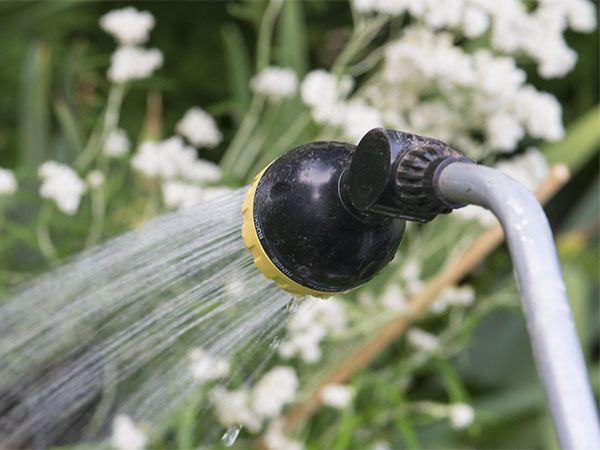
While water is essential for plant survival, too much can lead to root rot, fungal infections, and nutrient leaching. Watering needs vary depending on plant type, soil composition, and weather conditions. Use a moisture meter or test the soil with your finger before watering. Implementing drip irrigation or soaker hoses can also help provide consistent moisture without overwatering, reduce water waste, and support plant health.
Ignoring Pest and Disease Management
Neglecting pests or diseases can quickly destroy your garden. Instead of relying solely on chemical solutions, focus on early detection and prevention. Encourage beneficial insects, use companion planting, and maintain good garden hygiene. Removing diseased plant material promptly and rotating crops can further reduce pest and disease pressure. A proactive approach helps maintain a balanced, healthy garden ecosystem.
Overcrowding Plants
Planting too closely limits sunlight, airflow, and nutrient availability, increasing disease risk and stunted growth. Always follow recommended spacing for each plant variety, and avoid cramming seedlings together. Proper spacing encourages robust growth, improves air circulation, and simplifies maintenance tasks such as pruning, weeding, and harvesting.
Neglecting Regular Pruning and Maintenance
Routine maintenance, including pruning, deadheading, and weeding, keeps plants healthy and attractive. Pruning removes dead or diseased growth, shapes plants, and enhances air circulation, reducing pest and disease problems. Create a consistent maintenance schedule to keep your garden productive, visually appealing, and hazard-free.
Failing to Plan Ahead
A lack of planning often leads to haphazard planting and suboptimal growth. Before planting, create a garden layout considering sunlight, soil conditions, plant compatibility, and seasonal cycles. A thoughtful plan maximizes space, enhances aesthetics, and ensures your garden thrives with minimal stress and maintenance.
Gardening success depends on cultivating good habits while dropping practices that harm plant health. By focusing on soil care, proper watering, pest management, plant spacing, routine maintenance, and strategic planning, you can nurture a vibrant, productive, and low-maintenance garden.
Remember, gardening is a continuous learning process. Mistakes are opportunities to refine your skills, and with patience and attention, your garden can flourish, bringing beauty, food, and joy for years to come.