The Healthiest Cooking Oils: Making Smart Choices for Your Kitchen
- By the dedicated team of editors and writers at Newsletter Station.
In the world of culinary arts, cooking oils play a pivotal role in enhancing the flavor, texture, and versatility of our favorite dishes. They also contribute important fats and nutrients to our diets, making the type of oil we choose worth considering. With so many cooking oils available, understanding their nutritional benefits, best uses, and potential limitations can help you make choices that support your overall well-being.
This guide explores some of the healthiest cooking oils and offers practical tips for choosing the right oil for everything from salad dressings to high-heat cooking.
Olive Oil: The Mediterranean Marvel
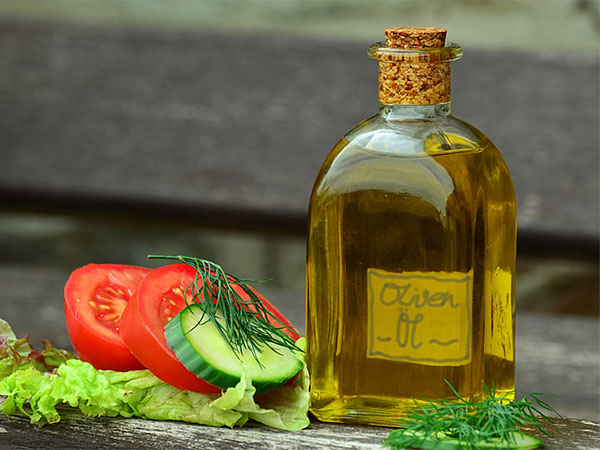
When it comes to healthy cooking oils, olive oil remains a standout choice. It is rich in monounsaturated fats and naturally occurring antioxidants, including vitamin E and polyphenols. Extra virgin olive oil, in particular, is minimally processed and retains more of the beneficial plant compounds found in olives.
Research on Mediterranean-style eating patterns has consistently associated olive oil consumption with cardiovascular benefits and overall health. Extra virgin olive oil is an excellent choice for salad dressings, marinades, roasted vegetables, and sautéing. Its distinctive flavor also makes it ideal for drizzling over finished dishes.
Avocado Oil: Versatile and Mild
Avocado oil is another excellent source of monounsaturated fats. Its mild, neutral flavor makes it easy to incorporate into a wide variety of recipes without overpowering other ingredients.
Refined avocado oil generally has a relatively high smoke point, making it suitable for higher-heat cooking methods such as roasting, sautéing, and grilling. Less-refined varieties can provide more of the avocado's natural flavor and may be better suited to dressings and finishing dishes.
Coconut Oil: A Controversial Contender
Coconut oil has received considerable attention over the years, but it is important to put its nutritional profile into perspective. Unlike olive and avocado oils, coconut oil is high in saturated fat. Although it contains medium-chain triglycerides (MCTs), that does not automatically make it a healthier choice than unsaturated oils.
Because diets higher in unsaturated fats are generally preferred for heart health, coconut oil is best enjoyed in moderation rather than used as your primary everyday cooking oil. Virgin coconut oil can work well in baking and recipes where its distinctive flavor complements the dish.
Canola Oil: Neutral and Versatile
Canola oil is naturally low in saturated fat and provides both monounsaturated and polyunsaturated fats, including a small amount of plant-based omega-3 fatty acid (alpha-linolenic acid).
Its neutral flavor and relatively high smoke point make canola oil useful for sautéing, roasting, baking, and other everyday cooking applications. Because it doesn't add a strong flavor, it is particularly helpful when you want the other ingredients in a recipe to take center stage.
Grapeseed Oil: Light and Mild
Grapeseed oil has a light flavor and is relatively high in polyunsaturated fats. It also contains vitamin E and other naturally occurring compounds.
Its neutral taste makes it a convenient option for baking, sautéing, salad dressings, and other recipes where you don't want the oil to dominate the flavor. As with other oils, however, it is best used as part of a varied diet rather than relying on a single oil for every cooking application.
Sesame Oil: Bold Flavor and Nutrients
Sesame oil brings a distinctive nutty flavor to meals and is especially popular in Asian-inspired dishes. It contains unsaturated fats as well as naturally occurring antioxidant compounds such as sesamin and sesamol.
Light sesame oil can be used for cooking, while toasted sesame oil is especially valuable as a finishing oil. A small amount can add significant flavor to stir-fries, marinades, sauces, noodles, vegetables, and salad dressings.
Walnut Oil: A Flavorful Finishing Oil
Walnut oil contains polyunsaturated fats, including the plant-based omega-3 fatty acid alpha-linolenic acid. Its rich, nutty flavor makes it a flavorful addition to salads, roasted vegetables, oatmeal, and yogurt.
Because walnut oil is relatively delicate, it is generally better suited to low-heat applications or as a finishing oil rather than prolonged high-heat cooking. Store it according to the manufacturer's recommendations, as oils rich in polyunsaturated fats can become rancid more quickly when exposed to heat, light, or air.
Choosing the Right Cooking Oil
There is no single cooking oil that is best for every recipe. Instead, consider the cooking method, the flavor you want to achieve, and the oil's nutritional profile.
As a general rule, oils higher in unsaturated fats—such as olive, avocado, and canola oils—are useful choices for everyday cooking. For higher-heat applications, choose an oil appropriate for the temperature and cooking method. For dressings and finishing, flavor may be just as important as the oil's nutritional characteristics.
It's also worth remembering that an oil's smoke point is not the only factor that determines whether it is a good choice. How an oil is processed, stored, and reused can also affect its quality.
Variety and Moderation Matter
When choosing healthy cooking oils, variety and moderation are key. Different oils provide different combinations of fats, antioxidants, flavors, and cooking characteristics. Keeping several options in your kitchen allows you to select the oil that best fits each recipe.
Most importantly, cooking oils are only one part of an overall healthy eating pattern. Pairing nutritious oils with vegetables, fruits, whole grains, lean proteins, nuts, seeds, and other minimally processed foods can help create balanced meals.
As you experiment with different cooking oils, you'll discover plenty of ways to improve both the flavor and nutritional value of your meals. Making thoughtful choices in the kitchen doesn't have to be complicated—small, practical changes can become lasting healthy habits.