Butter vs. Margarine: Which Is Better for Your Health and Cooking?
- By the dedicated team of editors and writers at Newsletter Station.
When it comes to toast, cooking, and baking, the choice between butter and margarine can affect flavor, texture, and nutrition. For years, these two popular spreads have been at the center of debates about which is the healthier option.
Today, the decision is a little more nuanced. Margarine has changed significantly over the years, particularly as manufacturers moved away from partially hydrogenated oils and artificial trans fats. Understanding the differences between butter and margarine can help you choose the best option for your dietary needs and cooking preferences.
The Origins and Production of Butter and Margarine
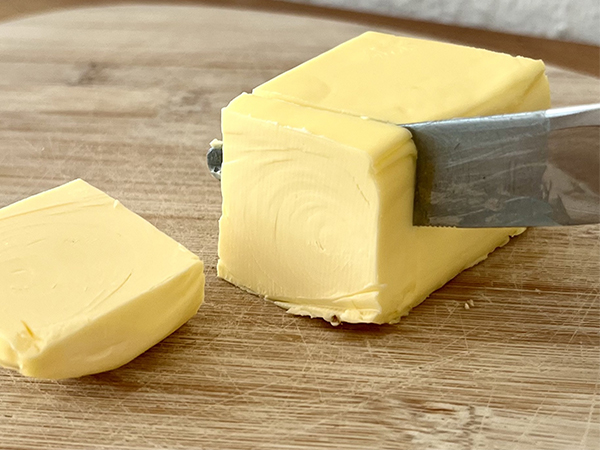
Butter is made by churning cream until the fat separates from the liquid buttermilk. The result is a rich, creamy product that has been used in cooking and baking for centuries. Butter's distinctive flavor and texture make it a favorite for everything from toast to pastries.
Margarine was developed in the 19th century as an alternative to butter. It is generally made from vegetable oils that are processed to create a spreadable texture. Modern margarine products can contain blends of oils such as canola, soybean, sunflower, or olive oil.
Older margarine products often relied on partially hydrogenated oils, which produced artificial trans fats. However, food manufacturers have largely eliminated these oils from U.S. food products, making today's margarines substantially different from many older formulations.
Butter vs. Margarine: Nutritional Differences
One of the biggest differences between butter and margarine is the type of fat they contain.
Butter naturally contains a relatively high amount of saturated fat and dietary cholesterol. Eating large amounts of saturated fat can raise LDL cholesterol in many people, which is one reason nutrition experts generally recommend limiting it.
Margarine varies considerably depending on the product. Many modern soft margarines and spreads are made primarily with unsaturated fats, including monounsaturated and polyunsaturated fats. These options can be a better choice for heart health than butter when they replace foods high in saturated fat.
However, not all margarines are nutritionally identical. Reading the Nutrition Facts label and ingredient list is important when comparing products.
What About Trans Fats?
Trans fats deserve special attention when choosing a spread.
Partially hydrogenated oils were once commonly used to make margarine firm and shelf-stable. These oils created artificial trans fats, which are associated with increased cardiovascular risk.
Today, partially hydrogenated oils have been removed from most foods in the United States. Still, checking the ingredient list is a smart habit, particularly when purchasing imported products or older specialty foods.
Look for products that do not contain partially hydrogenated oils.
Flavor and Culinary Uses
Butter remains popular because of its unmistakable flavor and creamy texture. It can add richness to baked goods, sauces, vegetables, and many other dishes.
Butter is particularly valued in baking because its fat and water content contribute to the texture and structure of cookies, cakes, pastries, and pie crusts.
Margarine can also work well for spreading, cooking, and baking, although results can vary between products. Some margarines are specifically formulated for baking, while softer spreads may contain more water and may not perform as well in recipes.
If you're substituting one for the other in baking, check the product label and recipe instructions first.
What Should You Look for When Buying Margarine?
If you're choosing margarine as an alternative to butter, consider these factors:
Choose Unsaturated Fats: Look for products made primarily with healthier unsaturated oils, such as canola, sunflower, or olive oil.
Check Saturated Fat: Compare nutrition labels and choose an option that fits your overall dietary goals.
Avoid Partially Hydrogenated Oils: Check the ingredient list and avoid products containing partially hydrogenated oils.
Watch the Sodium: Some spreads contain significant amounts of sodium, so compare labels if you're trying to reduce your intake.
Consider the Product Type: Soft tub margarines and spreads may have a different nutritional profile than firm sticks designed for baking.
Check Dietary Requirements: If you follow a vegan or dairy-free diet, read the ingredients carefully. Some margarines contain milk or other dairy-derived ingredients.
Is Butter or Margarine Healthier?
There isn't one universal answer. The better choice depends on the specific product, how much you consume, and your overall diet.
For someone trying to reduce saturated fat, a soft margarine made primarily from unsaturated oils may be preferable to butter. For someone who occasionally uses a small amount of butter as part of an otherwise balanced diet, butter can certainly fit into a healthy eating pattern.
Rather than focusing on one food in isolation, consider your overall intake of saturated and unsaturated fats and the nutritional quality of your diet.
Butter and margarine have both evolved, and today's choices are more varied than they once were. Butter offers rich flavor and excellent performance in many recipes, while modern margarines can provide a spreadable, lower-saturated-fat alternative when made with healthier unsaturated oils.
When choosing between butter and margarine, read the nutrition and ingredient labels, consider your dietary needs, and pay attention to portion sizes. There is room for either option in many balanced eating patterns.