How to Clean a Burned Pan: Easy, Effective Methods to Restore Cookware
- By the dedicated team of editors and writers at Newsletter Station.
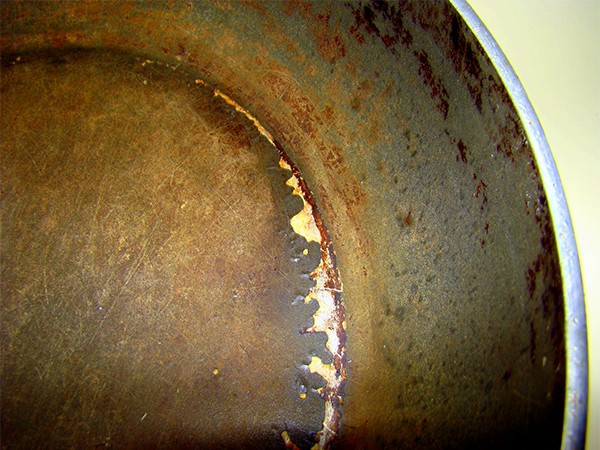
We’ve all had it happen—getting distracted for a moment and ending up with a burned pan full of stubborn, scorched residue. At the same time, it may look like a lost cause, but most burnt cookware can be restored with simple, safe household ingredients and a little patience.
Before you replace your pan, try these proven cleaning methods to bring it back to life and extend its usability.
Assess the Level of Burn Damage
Start by examining the pan closely.
Light discoloration or residue usually requires mild cleaning
Thick, blackened buildup may need soaking and multiple steps
Understanding the severity helps you choose the right cleaning approach and avoid damaging the cookware.
Soak in Hot, Soapy Water
Fill the pan with hot water and add a few drops of dish soap. Let it soak for at least 30 minutes—or longer for tougher burns.
Soaking helps loosen stuck-on food particles, making them easier to remove without excessive scrubbing.
Use Baking Soda and Vinegar for Deep Cleaning
Once soaked, drain the pan and sprinkle baking soda over the burned areas. Then add a small amount of vinegar.
The fizzing reaction helps break down stubborn residue and naturally lift burnt layers. This eco-friendly method is widely used in modern kitchen cleaning routines.
Gently Scrub Away Residue
Using a non-abrasive sponge or soft scrub brush, gently clean the surface in circular motions.
Avoid steel wool on nonstick or coated pans, as it can cause permanent damage. Repeat the baking soda treatment if needed for tougher stains.
Boiling Water Method for Stubborn Burns
For heavily burned cookware, add water and bring it to a gentle boil for several minutes.
The heat helps loosen deeply stuck residue, making it easier to scrub once the pan cools slightly. This method is especially effective for stainless steel cookware.
Freshen and Brighten with Lemon
Cut a lemon in half and rub it across the surface of the pan.
Lemon juice helps:
Remove lingering odors
Break down light stains
Add a natural shine
Rinse thoroughly afterward for best results.
Dry the pan completely with a soft towel to prevent water spots or rust.
For stainless steel or cast iron pans, apply a light coating of cooking oil to restore shine and help protect the surface from future sticking or corrosion.
Preventing Burned Pans in the Future
A few simple habits can help avoid future mishaps:
Stay nearby while cooking whenever possible
Use timers for simmering or boiling foods
Cook on appropriate heat levels
Stir regularly for foods prone to sticking
Modern cookware also includes nonstick and heat-resistant options that make cleanup easier and reduce the risk of burning.
Cleaning a burned pan may seem frustrating at first, but with the right techniques, most cookware can be fully restored. From baking soda and vinegar to boiling water and lemon, these simple methods are effective, affordable, and safe for most kitchens.