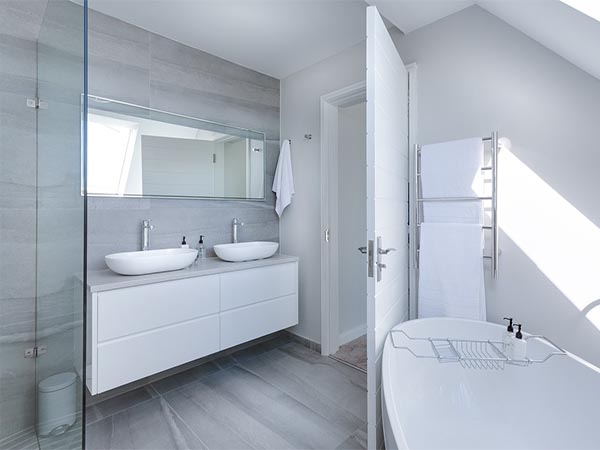
Common Bathroom Design Mistakes to Avoid for a Functional, Stylish Space
- By the dedicated team of editors and writers at Newsletter Station.
Designing a bathroom is an exciting opportunity to combine comfort, style, and practicality. However, even small design missteps can lead to long-term frustration, higher maintenance costs, and reduced functionality. With modern bathroom trends emphasizing efficiency, sustainability, and smart storage, careful planning is more important than ever.
This updated guide highlights the most common bathroom design mistakes and how to avoid them so you can create a space that is both beautiful and highly functional.
Insufficient Storage Solutions
One of the most common bathroom design errors is underestimating storage needs. Without proper planning, countertops quickly become cluttered and daily routines become less efficient.
To improve storage:
Include vanity cabinets with deep drawers
Use wall-mounted shelving or floating units
Add recessed niches in shower areas
Consider mirrored cabinets for dual functionality
Smart storage design ensures a clean, organized, and stress-free bathroom environment.
Poor or Inadequate Lighting Design
Lighting plays a major role in both functionality and mood. Many bathrooms rely on a single overhead fixture, which often creates shadows and uneven lighting.
A modern lighting plan should include:
Ambient lighting for overall brightness
Task lighting around mirrors for grooming
Accent lighting to enhance design features
Adding dimmable LED fixtures allows flexibility for both bright morning routines and relaxing evening use.
Lack of Proper Ventilation
Poor ventilation is a leading cause of mold, mildew, and long-term damage in bathrooms. With updated building standards, ventilation is no longer optional—it’s essential.
Best practices include:
Installing an appropriately sized exhaust fan
Ensuring airflow is directed outdoors, not into attics
Adding windows or skylights when possible
Running ventilation during and after showers
Proper airflow protects both your health and your bathroom surfaces.
Inefficient Bathroom Layout
A poorly planned layout can make even a large bathroom feel cramped and inconvenient. Placement of fixtures directly impacts comfort and usability.
Avoid common layout mistakes by:
Maintaining a clear walking space between fixtures
Positioning the toilet for privacy
Keeping sinks and mirrors easily accessible
Ensuring shower and tub placement supports natural flow
Modern bathroom design emphasizes ergonomic layouts that improve everyday functionality.
Choosing the Wrong Materials
Bathrooms are high-moisture environments, so material selection is critical for durability and safety. Using outdated or unsuitable materials can lead to costly repairs.
Recommended modern materials include:
Porcelain or ceramic tiles for floors and walls
Water-resistant or waterproof paints
Quartz or solid-surface countertops
Moisture-resistant cabinetry and fixtures
These materials offer better performance, easier maintenance, and longer lifespan.
Overlooking Storage and Accessibility Trends
Modern bathroom design now also considers accessibility and future usability. Features like walk-in showers, slip-resistant flooring, and easy-to-reach storage are increasingly popular for long-term convenience and safety.
A well-designed bathroom balances style, function, and durability. By avoiding common mistakes—such as poor lighting, inadequate storage, weak ventilation, and inefficient layouts—you can create a space that works beautifully for everyday living.
With thoughtful planning and the right materials, your bathroom can remain comfortable, efficient, and visually appealing for years to come.