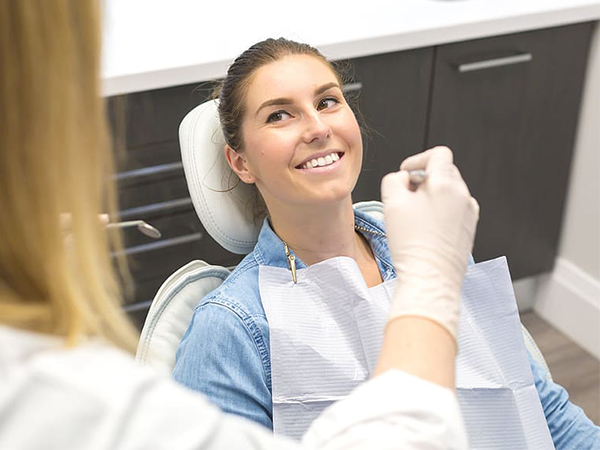
How to Overcome Dental Anxiety and Feel More Comfortable at the Dentist
- By the dedicated team of editors and writers at Newsletter Station.
For many people, visiting the dentist can trigger fear, nervousness, or anxiety. Previous negative experiences, fear of pain, uncertainty about treatment, or simply feeling uncomfortable in the dental chair can all contribute to dental anxiety. In some cases, that anxiety can lead people to postpone appointments, which may allow small oral health problems to become more serious.
The good news is that dental anxiety is manageable. Finding a supportive dental team, communicating your concerns, and using practical relaxation strategies can make appointments feel much more comfortable.
Here are several strategies that can help you manage dental anxiety and stay on track with your oral health.
Choose a Dentist Who Understands Dental Anxiety
Finding the right dental professional can make a significant difference. When choosing a dentist, look for an office that has experience working with anxious or fearful patients.
During your initial conversation, ask how the practice accommodates dental anxiety. A compassionate dental team should be willing to listen to your concerns, explain procedures clearly, and work with you to establish a comfortable pace.
A positive relationship with your dentist can help build trust and make future appointments easier.
Talk Openly About Your Anxiety
Don't be embarrassed to tell your dentist that you're nervous. Dental anxiety is common, and your dental team needs to know how you're feeling so they can better support you.
Before treatment begins, explain what makes you uncomfortable. You might be worried about pain, needles, sounds, past experiences, or not knowing what will happen.
You can also agree on a simple signal, such as raising your hand, to indicate that you need the dentist to pause. Having a way to communicate during treatment can give you a greater sense of control.
Ask Questions Before Treatment
Uncertainty can make anxiety worse. Ask your dentist to explain what will happen during your appointment and what sensations you might experience.
You don't need to understand every technical detail, but knowing what to expect can make the experience feel more predictable.
Ask questions such as:
How long will the procedure take?
Will I receive local anesthetic?
What will I feel during treatment?
Can we take breaks if I become uncomfortable?
What should I expect afterward?
Understanding the process can replace some of the uncertainty with a clear plan.
Visit the Office Before Your Appointment
If the dental environment itself makes you nervous, ask whether you can visit the office before your appointment.
Meeting the staff, seeing the treatment room, and becoming familiar with the surroundings may make the actual appointment feel less intimidating.
You can also ask about practical accommodations, such as scheduling an appointment during a quieter time of day or waiting in a less crowded area.
Practice Relaxation Techniques
Simple relaxation techniques can help reduce tension before and during an appointment.
Try taking slow, controlled breaths. For example, inhale gently through your nose and exhale slowly through your mouth. Repeat this several times while consciously relaxing your shoulders and jaw.
Other strategies that may help include meditation, progressive muscle relaxation, or listening to calming music through headphones.
Ask your dentist whether headphones, music, or another distraction is permitted during treatment.
Use Distraction to Take Your Mind Off Treatment
Keeping your attention occupied can make a dental appointment feel shorter and less stressful.
Depending on the dental office, you may be able to listen to music, a podcast, or an audiobook. Some practices also offer televisions or other forms of entertainment.
If you're particularly sensitive to dental sounds, headphones may provide an additional layer of comfort.
Focus on Positive Visualization
Before your appointment, try imagining yourself handling the visit calmly rather than repeatedly thinking about everything that could go wrong.
Visualize arriving at the office, communicating with your dentist, relaxing in the chair, completing treatment, and leaving feeling relieved.
This doesn't mean pretending anxiety doesn't exist. Instead, positive visualization can help shift your focus from fearful expectations toward a more manageable outcome.
Start With Small, Manageable Appointments
If you've been avoiding dental care for a long time, jumping immediately into extensive treatment may feel overwhelming.
When possible, discuss starting with a consultation, examination, or routine cleaning. Shorter appointments can help you become more comfortable in the environment and with the dental team.
Once you've developed trust and confidence, you may find it easier to proceed with more involved treatment.
Ask About Sedation Options
For people with significant dental anxiety, sedation may be an option. Depending on the procedure, medical history, and level of anxiety, dentists may offer different approaches to help patients remain relaxed.
Sedation isn't appropriate for everyone, and the available options vary between dental practices. Your dentist can explain the potential benefits, risks, preparation requirements, and recovery considerations.
Never take medication or use a sedative for a dental appointment unless it has been appropriately prescribed or recommended by a qualified healthcare professional.
Take Care of Your Oral Health Between Visits
Regular brushing, flossing, and preventive dental care can help reduce the likelihood of problems that require extensive treatment.
Maintaining good oral hygiene may also make dental visits feel less intimidating because routine preventive appointments are generally easier to manage than waiting until a problem becomes severe.
Follow your dentist's recommendations for professional cleanings, examinations, fluoride treatments, and other preventive care based on your individual needs.
When Dental Anxiety Becomes Severe
For some people, dental anxiety is so intense that they avoid dental care altogether. If fear is preventing you from receiving necessary treatment, let your dentist know.
Your dentist may be able to adjust the appointment approach or recommend additional support. In some cases, working with a mental health professional can also help address severe anxiety or specific phobias.
You don't have to overcome dental anxiety all at once. Progress can happen gradually, one appointment at a time.
A More Comfortable Dental Experience Is Possible
Dental anxiety shouldn't keep you from getting the oral care you need. Choosing a supportive dentist, communicating openly, asking questions, practicing relaxation techniques, and taking appointments one step at a time can make a meaningful difference.
If you're nervous about an upcoming appointment, start by telling your dental team. Knowing what makes you anxious helps them work with you to create a more comfortable experience.
With patience, communication, and the right support, you can build confidence and make regular dental care a more manageable part of maintaining a healthy smile.