How to Choose the Right Toothbrush for Your Oral Health
- By the dedicated team of editors and writers at Newsletter Station.
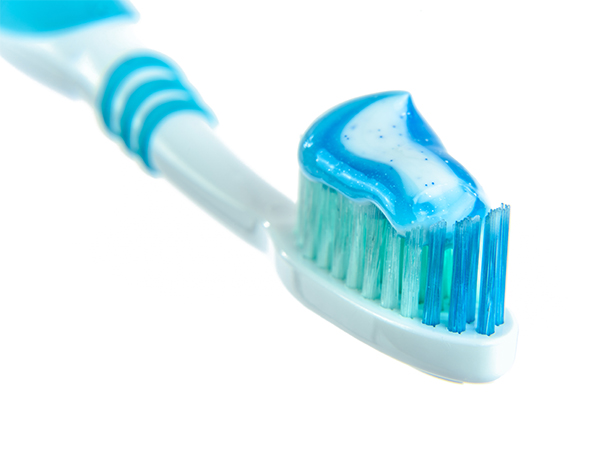
A toothbrush is one of the most important tools for maintaining good oral hygiene. With countless manual and electric toothbrushes available today, choosing the right one can feel overwhelming. Fortunately, you don't need the most expensive or feature-packed toothbrush to maintain a healthy smile.
The best toothbrush fits comfortably in your hand, reaches all areas of your mouth, and lets you clean your teeth gently and thoroughly. Understanding the key features to look for can help you make an informed choice and build an effective daily oral care routine.
Choose Soft Bristles
The bristles of a toothbrush play an important role in removing plaque and food particles from your teeth and along the gum line. While toothbrushes come in different firmness levels, dental professionals generally recommend choosing one with soft bristles.
Hard or overly stiff bristles aren't necessary to clean teeth effectively. Brushing too aggressively with firm bristles can irritate the gums and contribute to enamel wear over time. A soft-bristled toothbrush, combined with a gentle brushing technique, can clean your teeth effectively while being kinder to your gums.
If your gums are sensitive or bleed or become irritated when you brush, talk with your dentist about the best brushing technique and toothbrush for your needs.
Consider Head Size and Shape
A toothbrush head should be small enough to comfortably reach all areas of your mouth, including the back teeth. A compact or appropriately sized head makes it easier to maneuver around molars, along the gum line, and in other hard-to-reach areas.
No single toothbrush head shape is best for everyone. The most important consideration is whether you can comfortably use it to reach the entire surface of your teeth without difficulty.
Look for a Comfortable Handle and Grip
A toothbrush should feel comfortable and secure in your hand. A handle that's too large, too small, or difficult to grip can make brushing less comfortable and may make it harder to control your movements.
Some toothbrushes feature textured or rubberized grips, while others have ergonomic handles designed to improve comfort and control. If you have limited hand strength or dexterity, a toothbrush with a larger, easier-to-hold handle or an electric toothbrush may be especially helpful.
Decide Between a Manual and Electric Toothbrush
Both manual and electric toothbrushes can be effective when used properly. Your choice ultimately depends on your preferences, brushing habits, and individual oral health needs.
Electric toothbrushes can make it easier to maintain consistent brushing movements and may be particularly helpful for people who have difficulty brushing thoroughly with a manual toothbrush. Some models also include built-in timers or pressure sensors that can encourage better brushing habits.
Manual toothbrushes are inexpensive, portable, widely available, and don't require batteries or charging. They can also provide excellent cleaning when used correctly.
If you're unsure which option is right for you, your dentist or dental hygienist can provide personalized advice.
Pay Attention to Bristle Design
Toothbrushes come with a variety of bristle patterns, including angled, multi-level, and differently textured arrangements. These designs are intended to help reach different areas of the teeth and improve plaque removal.
However, you don't need a complicated bristle pattern to get a good cleaning. Proper brushing technique and consistency are generally more important than choosing a toothbrush with the most elaborate design.
Hold the brush at a comfortable angle along the gum line and use gentle, controlled movements. Avoid scrubbing aggressively.
Know When to Replace Your Toothbrush
Even the best toothbrush needs regular replacement. The American Dental Association recommends replacing toothbrushes approximately every three to four months, or sooner if the bristles become visibly worn or frayed.
Worn bristles may not clean as effectively, so don't wait until your toothbrush is completely worn out to replace it. Some toothbrushes also feature indicator bristles that fade when it's time to replace them.
If you've been sick, replacing your toothbrush afterward may also be worth considering, particularly if the bristles are worn, or the toothbrush has been stored in a way that prevents it from drying properly.
Consider an ADA Seal of Acceptance
When shopping for oral-care products, look for the American Dental Association (ADA) Seal of Acceptance. Products with the seal have been evaluated against the ADA's requirements for safety and effectiveness.
The seal can add confidence when comparing toothbrushes, especially when you're faced with many options and aren't sure which claims to trust.
Think About Your Individual Dental Needs
Your ideal toothbrush may depend on your specific oral health needs. For example, people with braces or other orthodontic appliances may benefit from a toothbrush designed to clean around brackets and wires. Someone with sensitive gums may need to pay particular attention to bristle softness and brushing pressure.
Children also need appropriately sized toothbrushes designed for their age and mouth. If you have gum disease, sensitive teeth, extensive dental work, or another oral health concern, ask your dental professional whether a particular toothbrush or brushing technique would be appropriate.
Tips for Getting the Most From Your Toothbrush
Choosing the right toothbrush is only part of maintaining good oral hygiene. To get the most benefit from it:
Brush your teeth twice a day using fluoride toothpaste.
Brush for about two minutes each time.
Use gentle pressure rather than aggressively scrubbing your teeth.
Clean all tooth surfaces, including the fronts, backs, and chewing surfaces.
Pay attention to the gum line, where plaque can accumulate.
Clean between your teeth daily with floss or another interdental cleaning tool recommended by your dental professional.
Let your toothbrush air-dry between uses, and store it upright when possible.
Replace your toothbrush or electric brush head about every three to four months, or sooner if the bristles wear out.
Finding the Right Toothbrush for You
Selecting the right toothbrush doesn't have to be complicated. Look for soft bristles, a comfortable handle, and a head size that allows you to reach every area of your mouth easily. Then consider whether a manual or electric toothbrush better fits your lifestyle and brushing habits.
Most importantly, remember that the best toothbrush is one you'll use consistently and correctly. With regular dental visits, daily interdental cleaning, and good brushing habits, the right toothbrush can play an important role in maintaining healthy teeth and gums for years to come.