- By the dedicated team of editors and writers at Newsletter Station.
Gardening under a tree can be both rewarding and challenging. While tree shade can limit sunlight, it also creates a unique environment for lush, creative gardens. With careful planning and the right techniques, you can transform this space into a vibrant and harmonious area.
This guide explores the best practices for planting under a tree, helping you make the most of your shaded garden.
Assess the Tree’s Shade and Root System
Before planting, observe your tree’s canopy throughout the day to understand shade patterns. Identify areas of full, partial, and deep shade, which will influence plant selection. Check for surface roots that may compete with new plants for nutrients and water. Avoid disturbing major roots when planting, as they are vital for the tree’s health. Mapping the shade and roots ensures your plants are positioned for optimal growth and long-term success.
Choose Shade-Tolerant Plants
Selecting the right plants is crucial for thriving under limited sunlight. Consider:
Ground Covers: Low-growing plants like hostas, ferns, ajuga, or pachysandra suppress weeds, add texture, and create a lush carpet under trees.
Perennials: Shade-loving perennials such as astilbes, bleeding hearts, heucheras, or hellebores provide seasonal color and interest.
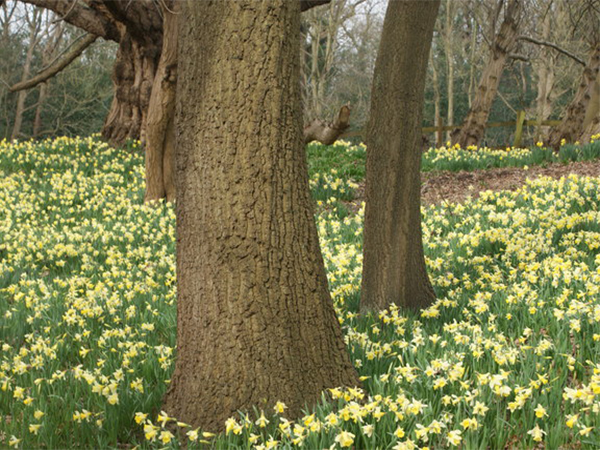
Bulbs: Early-spring bloomers like daffodils, snowdrops, crocuses, or tulips flower before the tree canopy thickens.
Native Shade Plants: Woodland wildflowers, maidenhair ferns, or other local natives thrive in shaded conditions while supporting local ecosystems.
Mixing different textures, colors, and heights will create depth and visual appeal in your shaded garden.
Prepare the Soil
Tree roots often compete for nutrients, making soil preparation critical:
Incorporate organic matter such as compost or well-rotted manure into the top 2–4 inches of soil.
Avoid digging deeply near major roots to prevent damage to the tree.
Improve soil drainage to prevent waterlogging while ensuring new plants receive adequate moisture.
Healthy, enriched soil gives your plants a strong start and improves their long-term growth under the tree canopy.
Create Mulch Beds
Mulching conserves moisture, suppresses weeds, and enhances the garden’s appearance:
Apply 2–4 inches of organic mulch such as wood chips, shredded bark, or leaves.
Keep mulch a few inches away from the tree trunk to prevent rot and pest problems.
Refresh mulch annually or as needed to maintain soil temperature and moisture levels.
Mulching also adds a polished, cohesive look to your shaded garden space.
Watering and Maintenance
Proper watering and care are essential for a thriving under-tree garden:
Monitor soil moisture regularly, keeping it consistently damp but not soggy.
Water slowly and deeply to encourage strong root development.
Remove debris, dead leaves, or fallen branches to maintain a clean, healthy garden.
Consider seasonal fertilization with slow-release, shade-friendly formulas to support plant growth.
Routine maintenance ensures the garden remains vibrant and minimizes stress on both plants and the tree.
Additional Tips for Success
Layer Plantings: Use taller plants toward the back or center, and low-growing species around the edges to create depth.
Shade-Tolerant Annuals: Consider impatiens or begonias for seasonal color.
Pathways and Features: Incorporate stepping stones or decorative elements to add interest without disturbing roots.
Wildlife-Friendly Plants: Choose plants that attract pollinators and beneficial insects for a healthy garden ecosystem.
Planting under a tree transforms a challenging, shaded space into a beautiful, thriving garden. By understanding shade patterns, selecting appropriate plants, preparing the soil, creating mulch beds, and practicing proper watering and maintenance, you can enjoy a lush and inviting under-tree garden. Embrace this tranquil environment and let your creativity flourish while maintaining harmony with nature.