How to Improve Soil Around a Tree for Healthier Growth
- By the dedicated team of editors and writers at Newsletter Station.
Trees play a vital role in our environment, providing shade, oxygen, wildlife habitat, and visual appeal to any landscape. To keep trees healthy and thriving, it’s essential to focus not just on what’s above ground—but also on the condition of the soil around them.
Healthy soil supports strong root development, improves nutrient uptake, and helps trees resist disease, pests, and environmental stress.
Below are proven, practical ways to improve soil health around trees and promote long-term vitality.
Why Soil Health Matters for Trees
Soil is the primary source of water, nutrients, and oxygen for tree roots. Compacted, nutrient-poor, or poorly drained soil can restrict root growth, weaken trees, and increase vulnerability to pests and disease. Improving soil conditions creates a healthier root environment, allowing trees to grow stronger and more resilient over time.
Start With Soil Testing
Before adding anything to the soil, conduct a soil test to understand its current condition. Testing reveals pH levels, nutrient deficiencies, and soil composition. Home testing kits are widely available, or you can work with a local extension service or professional for detailed results and tailored recommendations.
Apply Mulch Correctly
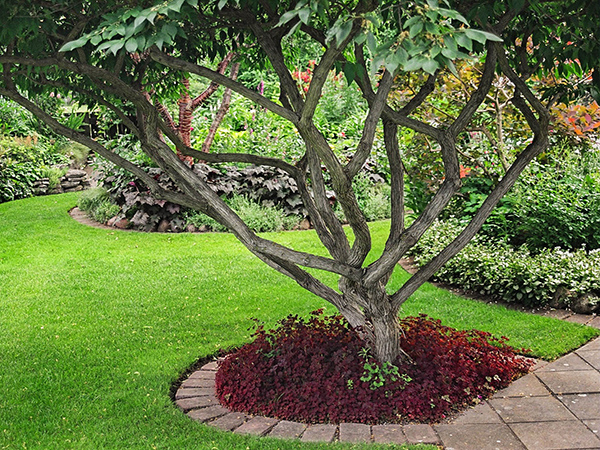
Mulching is one of the most effective ways to improve soil health around trees. Organic mulch—such as wood chips, bark, or shredded leaves—helps retain moisture, regulate soil temperature, and suppress weeds.
Apply a 2–4 inch layer around the tree’s root zone, extending to the drip line if possible. Keep mulch a few inches away from the trunk to prevent rot, pests, and disease.
Enrich Soil With Compost
Compost adds valuable organic matter and nutrients while improving soil structure and water retention. Spread a thin layer of compost over the root zone and gently work it into the topsoil without disturbing the roots. Over time, compost encourages beneficial microorganisms that support healthy root systems.
Fertilize Only When Necessary
Not all trees require fertilizer. Use soil test results to determine whether specific nutrients are lacking. If fertilization is needed, choose slow-release or tree-specific fertilizers and follow label directions carefully. Overfertilizing can damage roots and lead to weak, excessive growth.
Reduce Compaction With Aeration
Compacted soil restricts oxygen and water movement, stressing tree roots. Aerating the soil by creating small holes allows air, water, and nutrients to reach deeper into the root zone. This can be done with manual tools or by hiring a professional, especially for mature trees.
Practice Smart Watering
Deep, infrequent watering encourages deep root growth and improves drought tolerance—water at the drip line—the area beneath the outer branches—rather than near the trunk. Avoid shallow, frequent watering, which promotes weak surface roots.
Protect the Root Zone
Avoid heavy foot traffic, construction, or machinery near trees whenever possible. Soil disturbance and compaction can take years to repair and may permanently damage root systems. Creating mulch rings or designated no-traffic zones helps protect sensitive roots.
A Long-Term Investment in Your Landscape
Improving soil around your trees is one of the best investments you can make in your landscape. With proper testing, mulching, composting, watering, and protection, trees grow stronger, live longer, and contribute to a healthier ecosystem.
Healthy soil leads to healthy trees—and healthy trees enhance property value, environmental sustainability, and outdoor enjoyment for years to come.