- By the dedicated team of editors and writers at Newsletter Station.
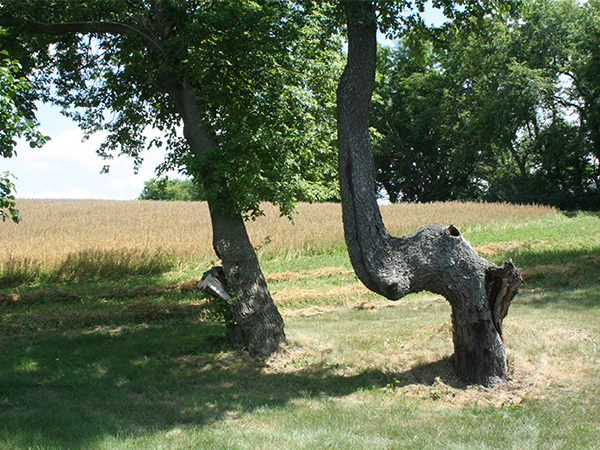
Trees bring beauty, shade, and value to our landscapes, but sometimes they don’t grow in the perfectly upright shape many homeowners expect. A leaning tree can raise concerns about safety, structural stability, and long-term health. While some trees naturally develop a slight lean without issue, others may indicate underlying problems that require attention.
Understanding why trees lean and knowing when corrective action is necessary can help protect your property while encouraging healthier tree growth. In this guide, we’ll explore the common causes of leaning trees, how to evaluate the severity of the lean, and practical steps to help trees grow straighter and stronger.
Common Reasons Trees Lean
Several environmental and structural factors can influence the direction and stability of tree growth. Identifying the cause is the first step toward finding the right solution.
Wind Exposure
Strong and consistent winds can gradually push a tree in one direction over time. Young trees are especially vulnerable because their trunks and root systems are still developing. In coastal areas or open landscapes, prevailing winds often naturally shape the growth patterns of trees.
Trees exposed to repeated storm damage may also develop an uneven canopy that contributes to leaning.
Root Problems
Healthy roots are essential for tree stability. If the root system is damaged or restricted, the tree may begin to lean due to a weakened foundation.
Common root-related issues include:
Soil compaction
Poor drainage
Construction damage
Overwatering
Root rot
Shallow root growth
Modern landscaping practices sometimes unintentionally damage roots through trenching, paving, or the use of heavy equipment near trees.
Uneven Sunlight
Trees naturally grow toward available sunlight through a process called phototropism. If sunlight is blocked on one side by buildings, fences, or nearby trees, the tree may lean toward the brighter area.
This type of leaning is especially common in crowded landscapes or wooded areas.
Storm or Structural Damage
Severe weather can place enormous stress on trees. Heavy snow, ice accumulation, strong winds, or lightning strikes can weaken trunks and branches, causing trees to tilt or lean unexpectedly.
In some cases, leaning after a storm may signal internal damage or root instability that requires immediate professional evaluation.
Natural Growth Habits
Some tree species naturally grow at slight angles or develop irregular forms. Trees planted on hillsides or slopes may also lean as part of their normal growth pattern.
A small lean does not always mean a tree is unhealthy, especially if the trunk remains stable and the canopy appears balanced.
How to Tell If a Leaning Tree Is Dangerous
Not every leaning tree is a safety hazard, but certain warning signs should not be ignored.
Signs a leaning tree may need professional attention include:
Sudden leaning after a storm
Exposed or lifted roots
Cracks in the trunk
Soil heaving around the base
Dead or falling branches
Hollow areas in the trunk
A rapidly worsening lean
If you notice any of these issues, it’s wise to contact a certified arborist for a professional inspection. Early intervention can sometimes prevent tree loss or property damage.
How to Help a Leaning Tree Grow Straighter
The best corrective method depends on the tree’s age, size, and severity of the lean.
Staking Young Trees
Staking can help younger trees develop a straighter growth pattern while their roots establish. Use flexible tree straps or soft ties attached to sturdy stakes placed outside the root ball.
Avoid tying the tree too tightly. Slight movement is important because it encourages the trunk to strengthen naturally.
Most newly planted trees only need staking for one growing season. Leaving stakes on too long can weaken trunk development.
Strategic Pruning
Proper pruning can improve balance by reducing excess weight on one side of the tree. Removing damaged, overcrowded, or uneven branches may help redistribute weight and encourage more upright growth.
Modern tree care guidelines recommend avoiding excessive pruning, as over-trimming can stress the tree and slow recovery.
Support Systems
For larger trees with moderate leaning, arborists may recommend support systems such as cabling or guy wires. These systems provide stability while allowing some natural movement.
Support systems should always be installed professionally to avoid damaging the tree or creating additional stress points.
Improve Soil Conditions
Healthy soil supports stronger roots. If soil compaction or poor drainage is contributing to instability, improving the growing conditions can make a significant difference.
Helpful soil improvements include:
Adding organic mulch
Aerating compacted soil
Improving drainage
Reducing foot traffic around roots
Avoiding overwatering
Mulching around the base of a tree also helps regulate soil temperature and moisture levels.
Preventing Trees From Leaning
Prevention is often the best long-term strategy for maintaining healthy, stable trees.
Plant Trees Correctly
Proper planting depth is critical. Trees planted too deeply often develop weak roots and poor stability. The root flare should remain visible above the soil line after planting.
Choose the Right Tree for the Location
Select tree species that match your local climate, soil conditions, and available space. Fast-growing trees may develop weaker wood structures and require more maintenance over time.
Prune Regularly
Routine pruning helps maintain balanced growth and removes damaged or diseased branches before they become larger problems.
Protect Root Zones
Avoid construction, heavy equipment, or excessive foot traffic near tree roots whenever possible. Preserving the root system is one of the most important factors in maintaining tree stability.
Healthy Trees Add Lasting Beauty
A leaning tree doesn’t always mean disaster, but it should never be ignored. By identifying the underlying cause early and taking appropriate action, homeowners can often correct minor leaning issues and support healthier growth.
Regular maintenance, proper planting practices, and professional guidance when needed can help trees remain strong, stable, and beautiful for years to come. Healthy trees not only improve curb appeal but also provide shade, cleaner air, and long-term value to your landscape.