How to Tell If a Tree Is Dying: Warning Signs Every Homeowner Should Know
- By the dedicated team of editors and writers at Newsletter Station.
Trees play a vital role in your landscape—providing shade, boosting curb appeal, and improving air quality. But like any living thing, trees can experience stress, disease, and decline. Recognizing early warning signs of a dying tree can help you take action quickly, potentially saving the tree and preventing safety hazards.
Here’s an updated, practical guide to identifying when a tree may be in trouble.
Discolored, Wilting, or Sparse Leaves
Leaves are often the first indicator of tree health. While seasonal changes are normal, watch for:
Yellowing or browning leaves out of season
Wilting or curling foliage
Early leaf drop or delayed budding
Thinning canopy or uneven leaf distribution
These symptoms can point to issues like drought stress, nutrient deficiencies, or disease.
Bark Damage, Cracks, or Missing Sections
Healthy bark protects the tree’s internal systems. Warning signs include:
Peeling, cracking, or splitting bark
Deep wounds or missing bark sections
Fungal growth, such as mushrooms, at the base
These may indicate internal decay, disease, or pest damage—especially if the damage worsens over time.
Dead or Falling Branches
Frequent limb drop is a major red flag. Look for:
Brittle, dry branches with no leaves
Large limbs falling during mild weather
Noticeable dieback starting at the top
Dead branches not only signal declining health but also pose a safety risk to people and property.
Stunted Growth or Thinning Canopy
If your tree isn’t growing as expected, it may be struggling. Signs include:
Smaller-than-normal leaves
Reduced annual growth
Bare or thinning areas in the canopy
A declining canopy often points to deeper issues such as root damage, poor soil conditions, or disease.
Root Damage or Instability
Although roots are underground, their problems often surface. Watch for:
Exposed or damaged roots
Mushy or decaying wood near the base
Soil heaving or cracking around the trunk
Sudden leaning or instability
Healthy roots are essential for nutrient absorption and structural support—damage here can quickly become serious.
Signs of Pests or Disease
Insects and diseases are common causes of tree decline. Look for:
Holes in bark or sawdust-like residue (a sign of borers)
Chewed or distorted leaves
Sticky residue or mold growth
Unusual spots, streaks, or patterns on leaves
Early detection is key to managing infestations and preventing spread.
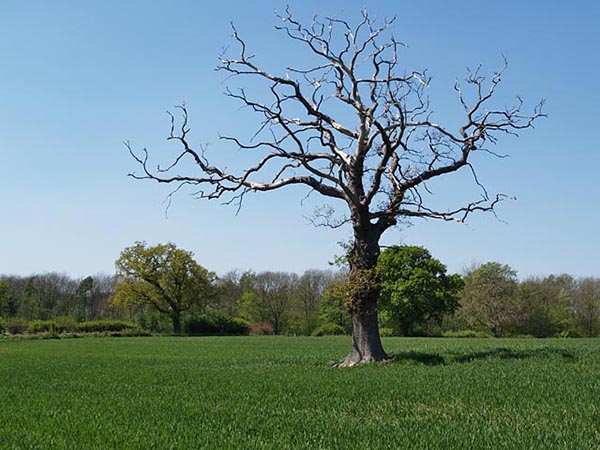
No Leaves During Growing Season
If a tree fails to leaf out during spring or early summer while nearby trees are thriving, it may be dead or in severe decline. This is especially concerning if multiple branches remain bare.
When to Call a Professional
If you notice multiple warning signs, it’s best to consult a certified arborist or tree care professional. They can assess the tree’s condition, identify the root cause, and recommend treatment—or, if necessary, safe removal.
A healthy tree adds beauty, value, and environmental benefits to your property. By staying alert to early signs of decline, you can take proactive steps to protect your landscape and avoid costly damage.
Regular inspections and proper care go a long way in keeping your trees strong, safe, and thriving for years to come.