- By the dedicated team of editors and writers at Newsletter Station.
Trees play a vital role in our environment by improving air quality, reducing erosion, providing shade, and enhancing the beauty of our landscapes. While tree removal is sometimes necessary due to disease, storm damage, safety concerns, or construction projects, the loss of a mature tree does not always have to be permanent.
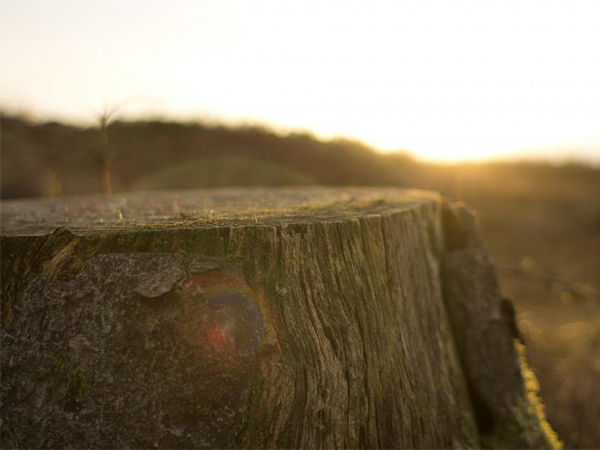
In many cases, it is possible to regrow a tree from a stump through a natural process known as stump sprouting or coppicing. With the right care, patience, and growing conditions, new shoots can emerge and develop into a healthy replacement tree. Whether you want to restore your yard’s appearance, support local wildlife, or preserve a beloved tree species, regrowing a tree from a stump can be a rewarding and environmentally friendly project.
Here are some essential tips to improve your chances of successfully regrowing a tree from a stump.
Choose the Right Tree Species
Not all trees regrow equally well from stumps. Some species naturally produce vigorous new shoots, while others struggle to regenerate once cut down. Selecting a tree species known for strong regrowth is one of the most important steps in the process.
Common tree species that respond well to stump regrowth include:
Willow trees
Poplar trees
Maple varieties
Oak trees
Elm trees
Pine trees in certain climates
Native tree species are often the best option because they are already adapted to local weather conditions, soil types, and pests. Consulting a local arborist, nursery professional, or extension office can help you determine which species are most likely to thrive in your area.
Start at the Right Time of Year
Timing can significantly affect how successfully a tree regrows from a stump. Early spring and late fall are generally the best seasons to begin encouraging regrowth because trees are either entering or exiting dormancy.
During these periods, the root system still contains stored energy that can support the development of new shoots. Cooler temperatures and seasonal moisture also reduce stress on young growth.
Avoid attempting major stump work during extreme summer heat or freezing winter conditions, as these environments can slow root recovery and damage tender sprouts.
Cut the Stump Properly
The condition of the stump directly affects future regrowth. A clean, healthy cut encourages new sprouts and reduces the risk of disease or decay.
When cutting the stump:
Use a clean, sharp saw or chainsaw
Cut the stump as level and smooth as possible
Leave the stump low to the ground but still visible
Remove splintered or jagged edges
Avoid applying chemical stump killers or herbicides if your goal is regrowth. These products are designed to stop root activity and may permanently prevent the tree from sprouting again.
If the original tree was diseased, it is important to confirm that the disease will not spread to new growth before attempting regeneration.
Encourage Strong Root Development
Healthy roots are essential for successful tree regrowth. Since the existing root system already extends underground, a stump can often produce new shoots faster than planting a young sapling. However, the roots still require proper care and nutrients to remain active.
To support root health:
Water the stump area consistently during dry periods
Add organic mulch around the base to retain moisture
Keep mulch a few inches away from the stump itsel
Improve soil quality with compost or organic matter
Avoid compacting the soil around the root zone
Healthy soil creates the ideal environment for new shoots to emerge and develop into strong trunks over time.
Avoid Overwatering
Although moisture is important, excessive watering can damage the stump and roots. Waterlogged soil may lead to fungal growth, root rot, and decay that prevents successful regrowth.
The goal is to maintain evenly moist soil without oversaturating it. Good drainage is especially important in clay-heavy soils or areas prone to standing water.
Adding mulch can help regulate soil moisture naturally while protecting roots from temperature extremes.
Be Patient During the Early Stages
Regrowing a tree from a stump takes time. In some cases, visible shoots may appear within a few weeks, while other species may take several months to show signs of life.
Initially, most of the tree’s energy goes toward rebuilding and strengthening the root system underground. Even if growth appears slow at first, the tree may still be developing successfully below the surface.
Patience and consistent care are key during this stage. Avoid disturbing the stump or removing young shoots too early.
Prune and Shape New Growth Carefully
As new shoots emerge from the stump, selective pruning becomes important for developing a strong, healthy tree structure.
Allow several shoots to grow initially, then gradually select the strongest and healthiest stems to keep. Removing weak or crowded shoots helps the tree direct energy toward the best growth.
Proper pruning can help:
Improve tree shape
Prevent overcrowding
Increase airflow
Reduce disease risk
Strengthen branch structure
Continue monitoring the tree as it matures and remove damaged or unhealthy branches as needed.
Protect Young Growth From Damage
Newly sprouted trees are vulnerable to environmental stress and physical damage. Wildlife, lawn equipment, harsh weather, and foot traffic can all harm developing shoots.
Consider using:
Tree guards
Small fences
Mulch rings
Support stakes if necessary
Protecting young shoots during the first few years can dramatically improve long-term survival and stability.
Support Pollinators and Local Wildlife
Regrowing a tree from a stump also benefits the surrounding ecosystem. Trees provide shelter, food, and nesting areas for birds, pollinators, and beneficial insects.
As your tree matures, consider adding companion native plants nearby to create a healthier and more biodiverse landscape. Sustainable landscaping practices can help strengthen the entire ecosystem surrounding your property.
Give Nature a Second Chance
Regrowing a tree from a stump is a powerful reminder of nature’s resilience. With proper care, patience, and maintenance, a once-removed tree can begin thriving again and continue contributing beauty, shade, and environmental benefits for years to come.
By selecting the right tree species, encouraging healthy roots, practicing careful pruning, and protecting new growth, homeowners can successfully nurture a new generation of trees while supporting a greener and more sustainable landscape.