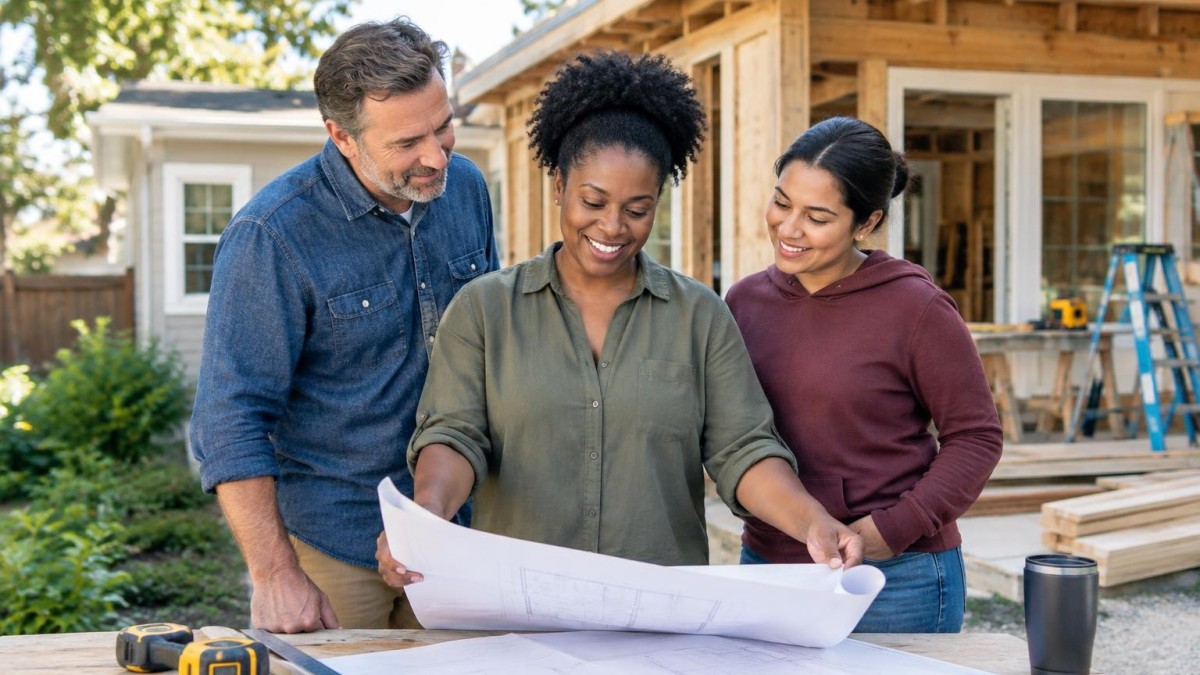
Tips for Adding More Square Footage to Your Home
Adding space to your home starts with defining your needs and budget. Explore expansion options, follow local codes, work with professionals, and plan for comfort and long-term value.

Explore examples of the useful, professionally written articles available for your newsletter.
Adding space to your home starts with defining your needs and budget. Explore expansion options, follow local codes, work with professionals, and plan for comfort and long-term value.

Older homes often have outdated wiring, plumbing leaks, structural wear, poor insulation, and roof damage, requiring professional care to ensure safety and comfort.

Home renovations like grab bars, zero-step entry, wider doorways, updated bathrooms, improved lighting, and main-floor living spaces enhance safety and accessibility for aging in place.
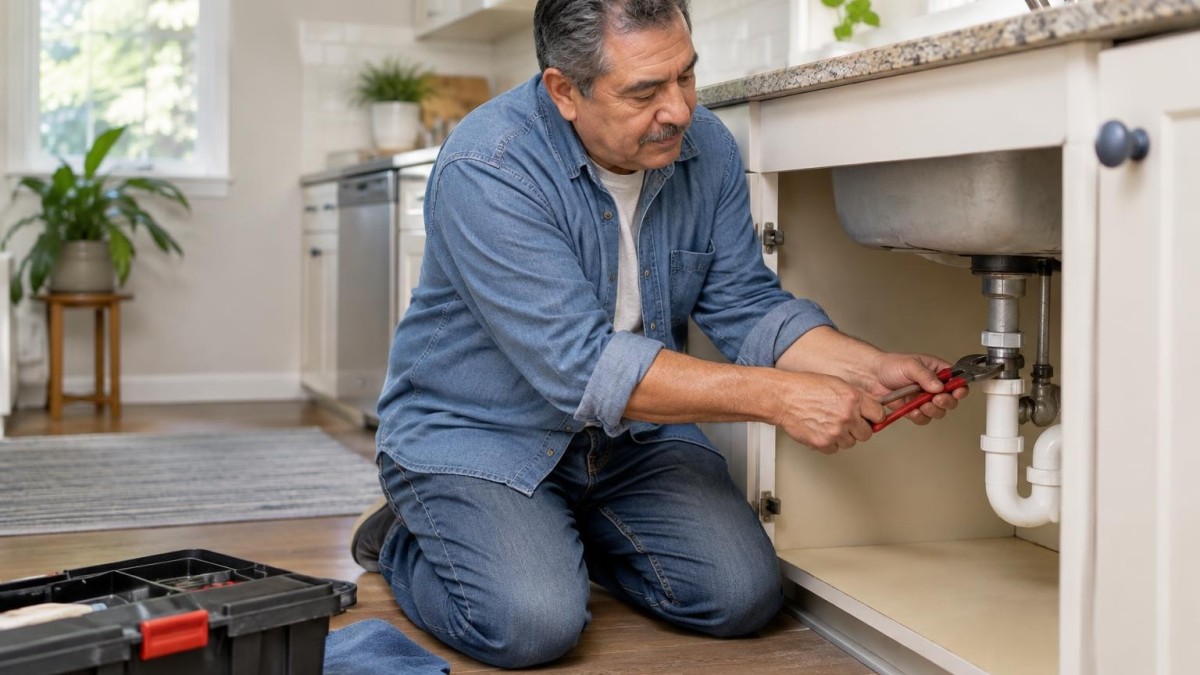
Understanding simple emergency plumbing fixes like shutting off water, addressing leaks, and clearing clogs helps homeowners minimize damage before a professional plumber arrives.
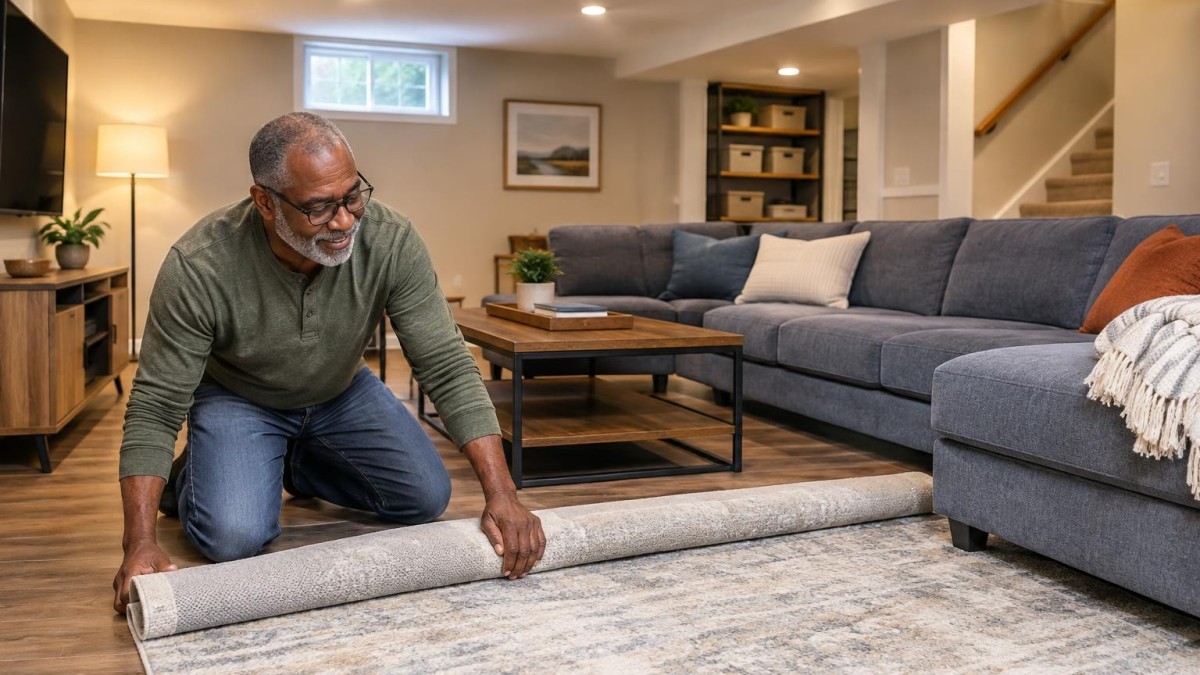
Proper moisture control, lighting, insulation, flooring, ventilation, and compliance with codes are crucial when remodeling basements into comfortable and useful living areas.
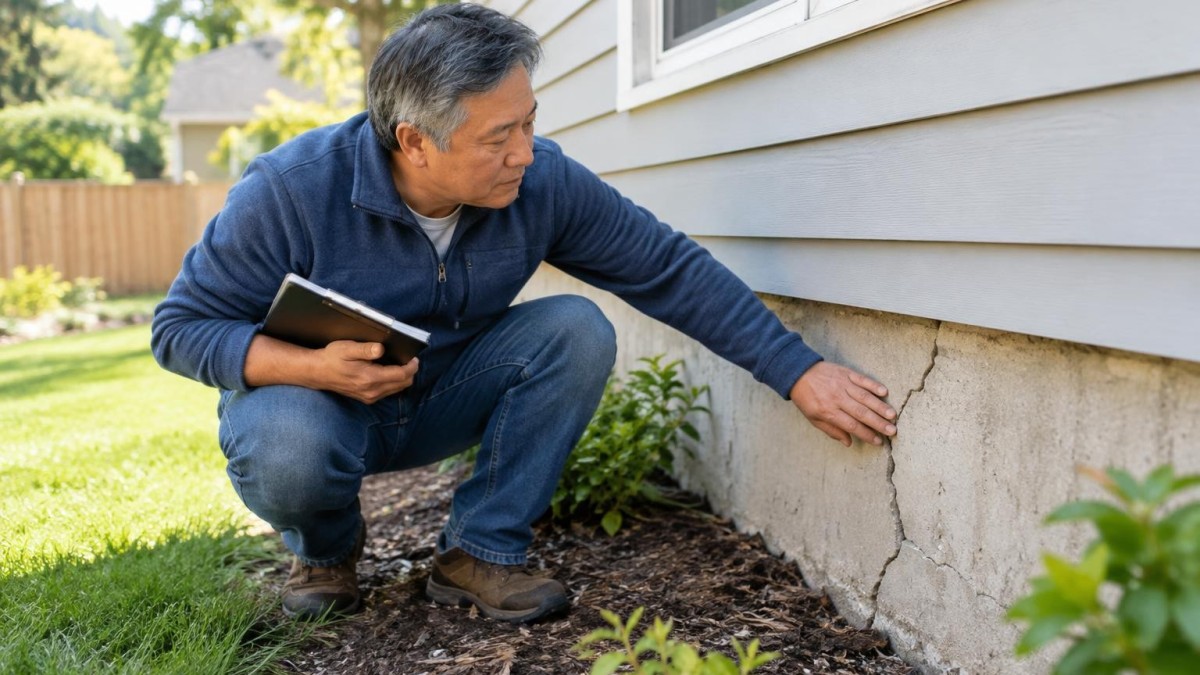
Watch for foundation warning signs like growing cracks, uneven floors, sticking doors, gaps, bowing walls, moisture issues, and sinking concrete to catch problems early and seek professional help.
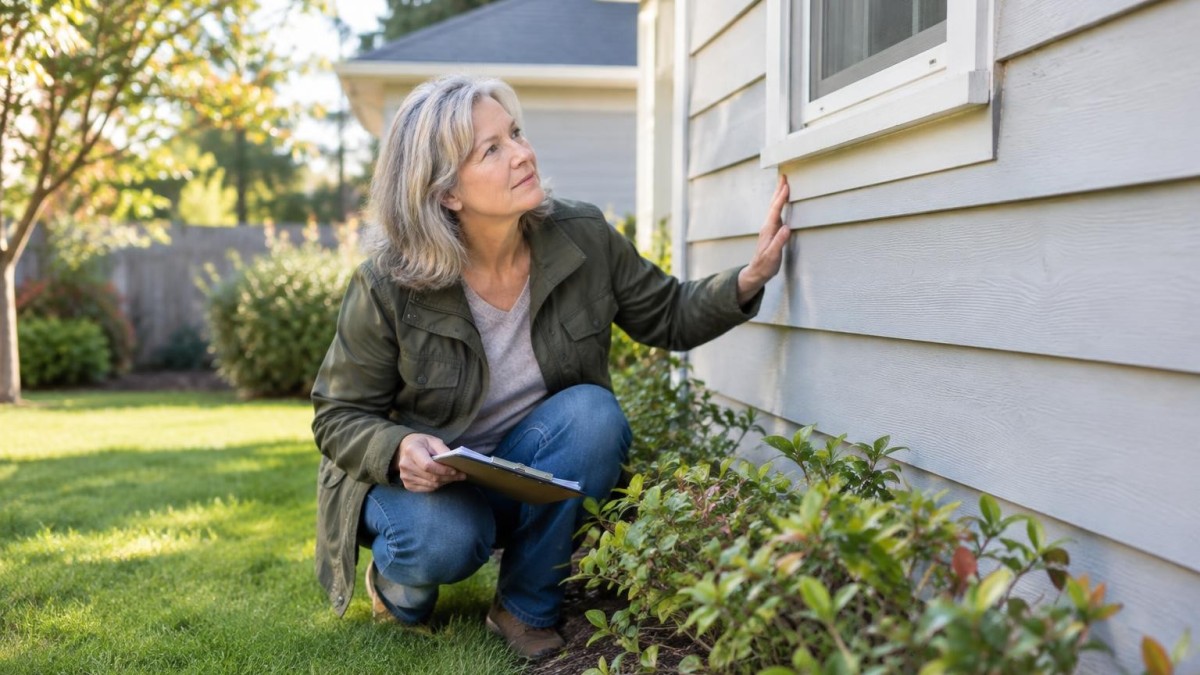
Maintaining your home means promptly addressing roof damage, plumbing leaks, electrical hazards, pests, HVAC upkeep, foundation issues, and exterior care to prevent costly repairs and ensure safety.
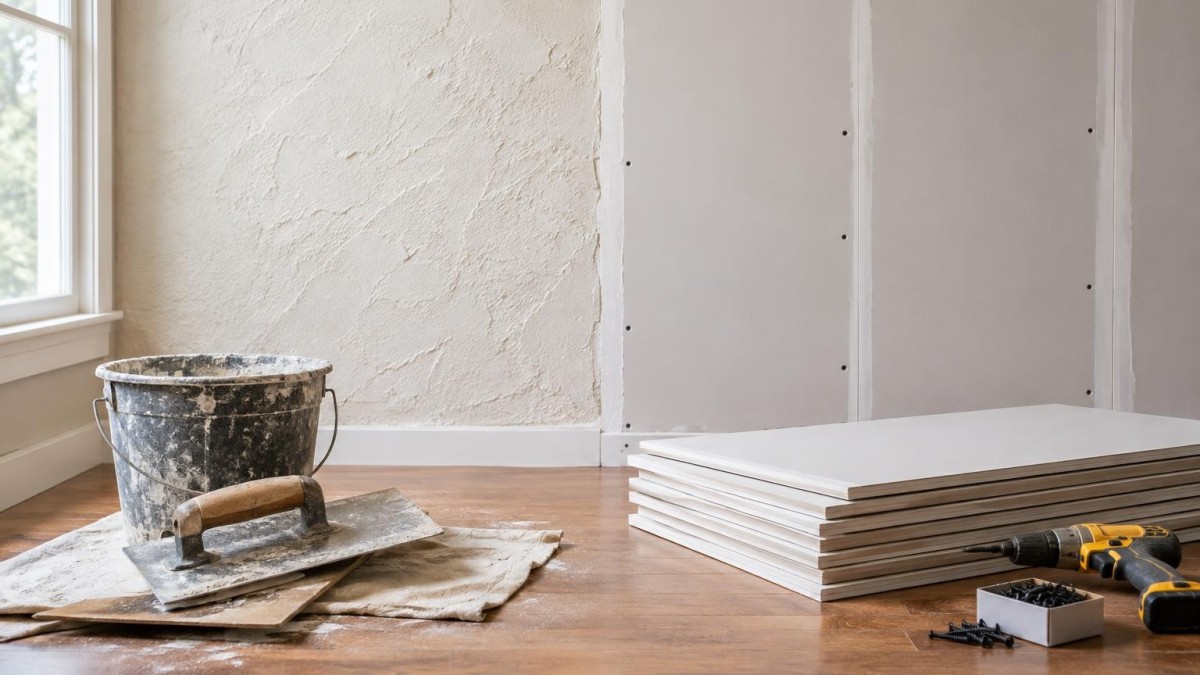
Plaster offers durability and texture for older homes, while drywall provides quick installation and affordability for modern home wall projects.
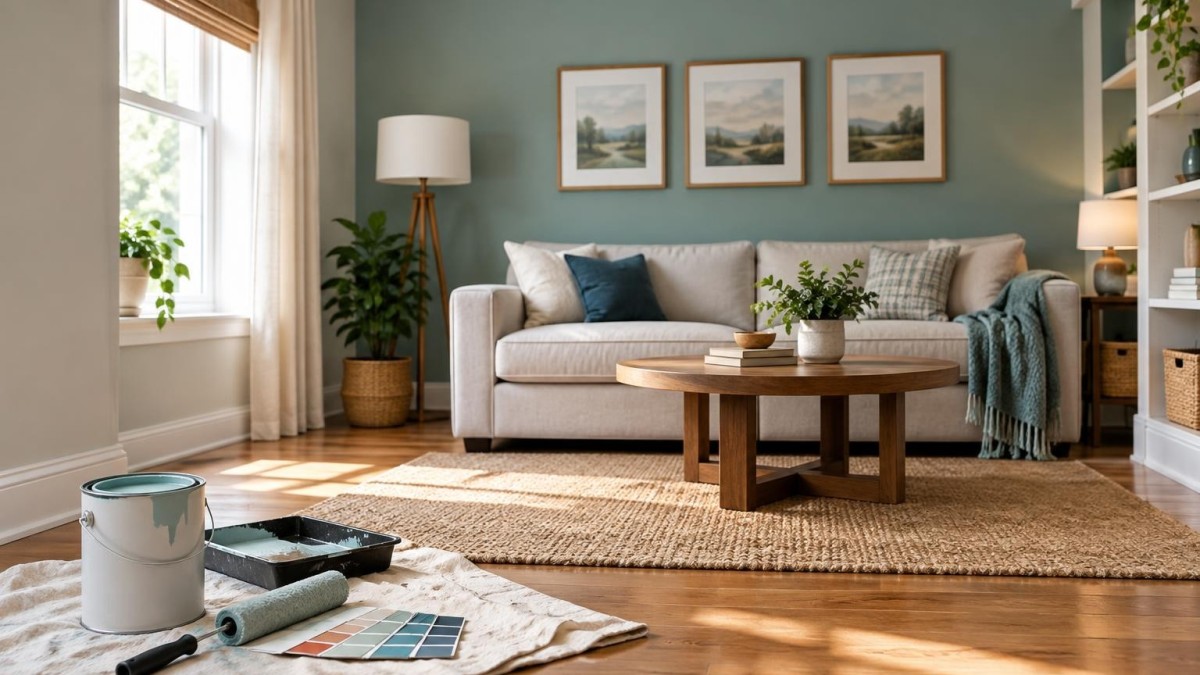
Small remodeling projects like fresh paint, updated lighting, refinished floors, and organized spaces can refresh any room’s look and feel without major renovations.
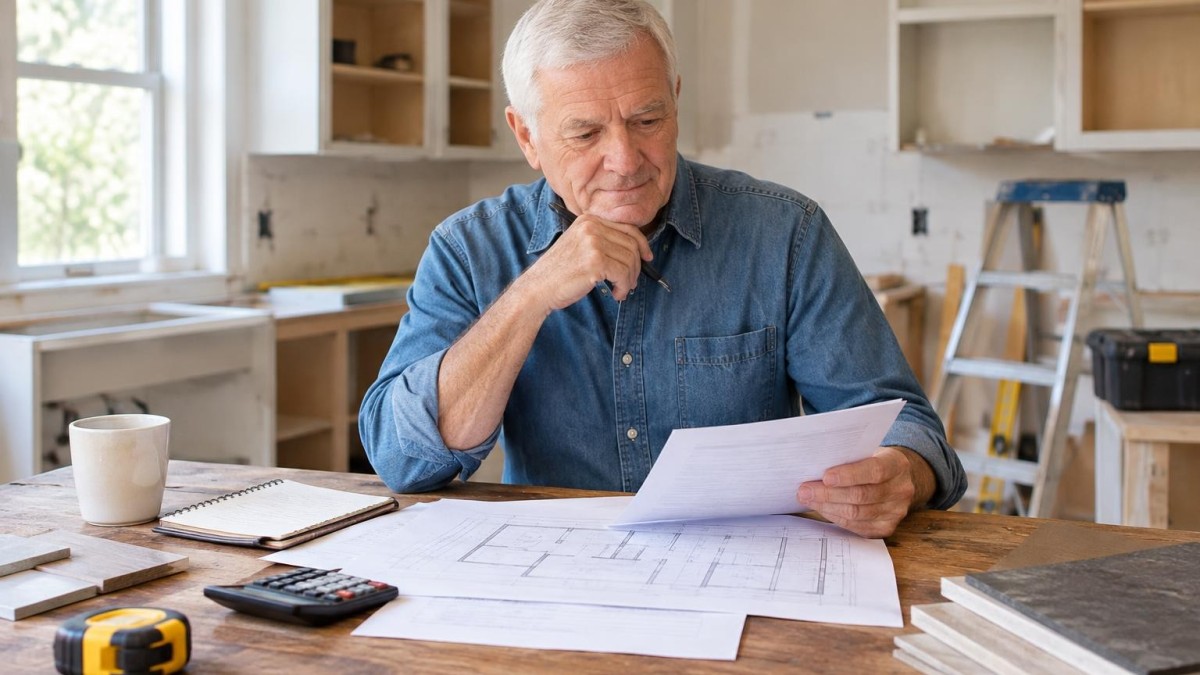
A well-planned remodeling budget helps prioritize needs, compare estimates, handle permits, choose contractors, manage changes, and plan financing wisely.
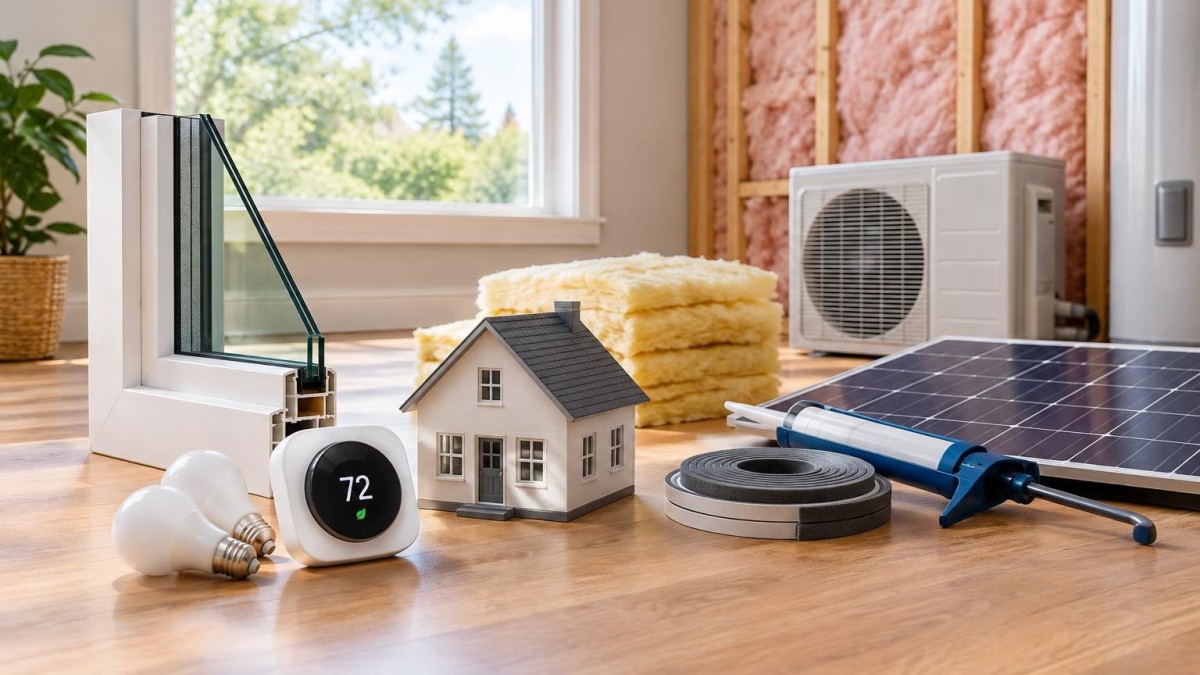
Upgrading insulation, sealing drafts, switching to LED lighting, and choosing efficient appliances and HVAC systems can make your home more energy-efficient and save on utility bills.
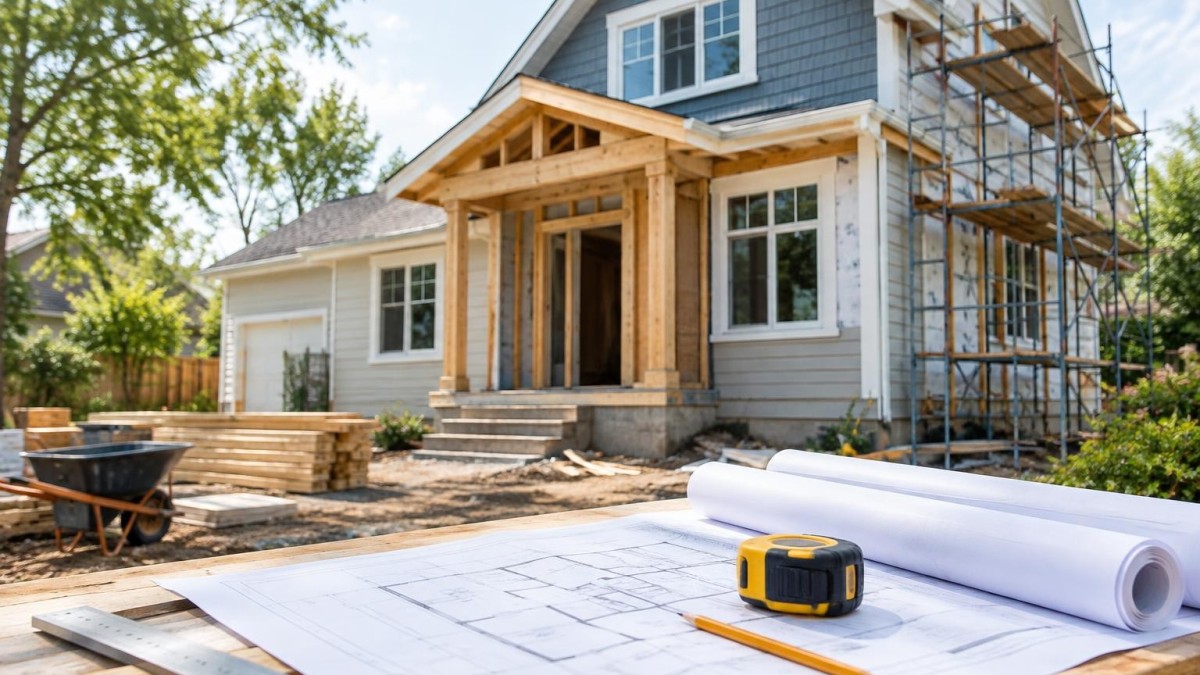
Knowing which home renovation projects require permits helps you avoid delays and ensures safety and compliance by following local rules for major work.