
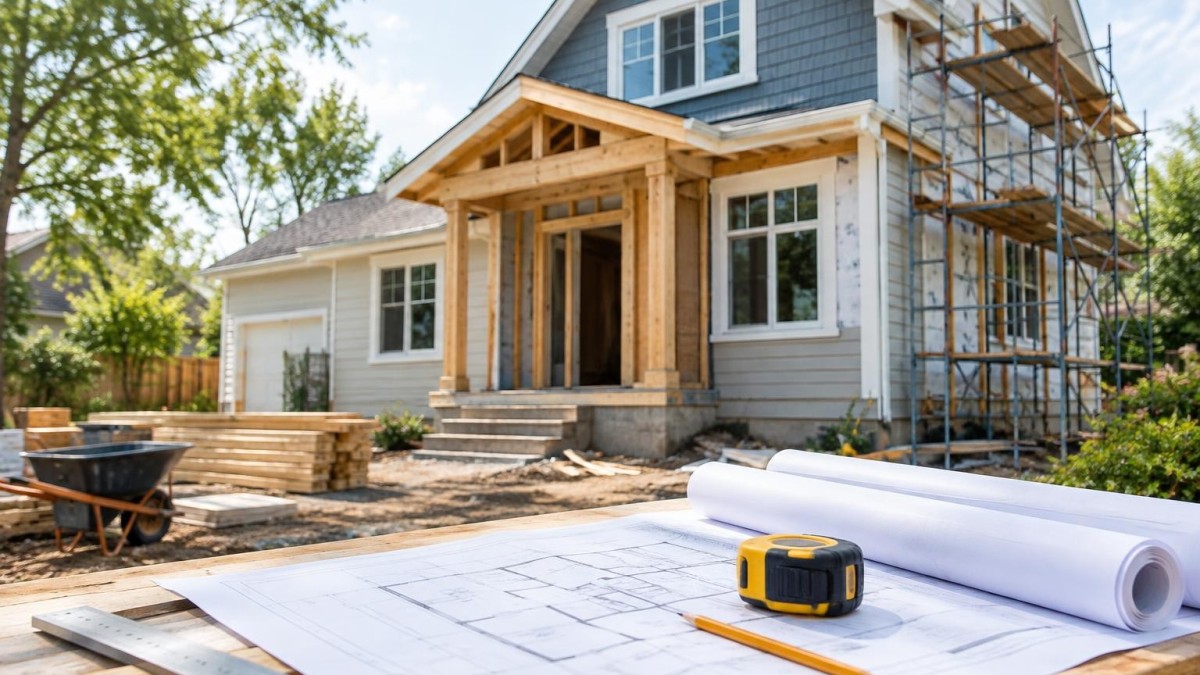
Planning a home renovation can be an exciting journey to update your living space, improve functionality, and increase your home's worth. However, it's essential to know when a permit is necessary before starting any work. Permit requirements vary widely based on your location, the scope of your project, and local building codes, so what’s needed in one area might differ in another.
Key Renovations That Typically Need Permits
Major structural changes usually require permits. This includes adding or removing walls, especially load-bearing ones, since they affect the safety and stability of your home. Foundation repairs or new groundwork also typically call for permits to ensure compliance with safety standards.
Roof work can be tricky: while simple replacements may not need approval, altering the roof’s shape or adding features like dormers generally does. Electrical projects often require permits, covering tasks like installing new wiring, outlets, switches, upgrading panels, or adding large electrical equipment. Simple fixes like changing a light fixture might be exempt, but it's best to verify with your local authority or an electrician.
Plumbing changes, such as adding bathrooms, relocating pipes, or installing new water lines, are usually subject to permit rules to guarantee proper sanitation and flow. Upgrading heating or cooling systems, including new HVAC units, ductwork, or fuel-based equipment, often needs permits and inspections due to their complexity and safety concerns.
Expanding Your Home or Outdoor Spaces
Adding new rooms, constructing a second story, building sunrooms, or converting unfinished basements, attics, or garages into livable spaces typically requires permits. These projects affect your home’s structure and may also involve electrical, plumbing, or HVAC updates. They need to meet zoning laws, setback requirements, and safety standards like emergency exits and natural lighting.
Outdoor improvements such as building decks, porches, gazebos, fences, retaining walls, sheds, or pools might need permits depending on local regulations. Factors influencing this include the structure’s size, height, proximity to property boundaries, and whether it’s attached to your home.
Why Permits Matter
Though permits might seem like extra paperwork, they’re vital for protecting your home investment and ensuring completed work is safe and up to code. Having proper permits and inspections documented eases future refinancing, resale, and insurance claims. Without required permits, you could face penalties, have to undo work, or experience complications when selling your home.
Start with Local Guidance
Before beginning any renovation, contact your local building or permitting office to confirm which permits you’ll need and who is responsible for obtaining them. Don’t assume your contractor will handle this. Since regulations change and differ by location, double-checking at the outset saves you from costly delays or surprises.
By understanding and addressing permit requirements early in your home renovation process, you’ll help keep your project on schedule, ensure safety, and protect your investment with confidence.
Newsletter Station provides professionally written, ready-to-send newsletters customized for your market and brand.
EXPLORE NEWSLETTER OPTIONS