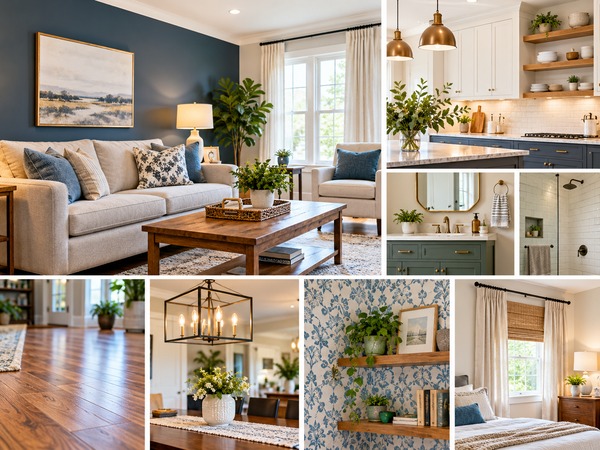
Are you tired of walking into a room that feels dated, dark, or simply unfinished? You may not need to tear everything out and start over. Some of the most noticeable home improvements come from relatively focused remodeling projects that address the surfaces, fixtures, lighting, and storage you see and use every day.
Whether you're getting a home ready to sell or updating it for your own enjoyment, the key is choosing projects that make a visible difference without creating unnecessary work. Before committing to a major renovation, consider whether one or two of these smaller updates could give the room the change it needs.
- Freshen Up the Paint
Painting remains one of the most accessible ways to dramatically change a room. Fresh paint can cover years of scuffs and wear while giving walls, trim, and doors a cleaner, more finished appearance.
Color matters, but don't automatically assume that every small room needs white paint. Light colors can help a space feel airy, while deeper colors can make a bedroom, dining room, or den feel warmer and more defined. Consider the amount of natural light in the room and look at paint samples at different times of day before deciding.
Don't overlook the trim and ceiling, either. Dingy baseboards or a discolored ceiling can make freshly painted walls look less impressive.
- Upgrade the Lighting
A room can be beautifully decorated and still feel uninviting if the lighting isn't right. Replacing an outdated ceiling fixture is a relatively small remodeling project that can immediately make a space look more current.
Think beyond the fixture itself. A room generally works better when it has more than one source of light. Ceiling fixtures can provide general illumination, while lamps, sconces, pendant lights, or under-cabinet lighting handle specific tasks and add atmosphere.
Dimmer switches can also be useful in dining rooms, living rooms, bedrooms, and other spaces where you may want bright light at one time and softer lighting later. When replacing fixtures or making electrical changes, use a qualified electrician when the work goes beyond your experience.
- Refinish or Replace the Flooring
Flooring occupies a large amount of visual space, so worn carpet, damaged flooring, or an outdated finish can affect the appearance of the entire room.
Replacement isn't always necessary. Hardwood floors may be candidates for refinishing, depending on their condition and construction. If replacement makes more sense, today's choices include hardwood, engineered wood, luxury vinyl, laminate, tile, and carpet, each with different advantages for moisture resistance, durability, maintenance, and cost.
Choose flooring based on how the room is actually used rather than appearance alone. A busy entryway with pets and wet shoes has different requirements than a lightly used guest bedroom.
- Update Cabinets and Countertops
Kitchens and bathrooms can look dated long before their cabinets stop functioning. If the existing cabinet boxes are solid and the layout works, replacing everything may be unnecessary.
Painting or refinishing cabinets, replacing doors or drawer fronts, and installing new knobs and pulls can provide a substantial visual update. A new countertop can take the transformation further.
Before painting cabinets, however, check their condition carefully. Paint won't solve damaged boxes, failing hinges, swollen materials, or a layout that simply doesn't work. In those situations, putting money toward replacement may make more sense.
- Add Open Shelving—Selectively
Open shelving can work well in kitchens, bathrooms, home offices, and living spaces. It creates accessible storage while providing a place for dishes, books, plants, photographs, or decorative pieces.
The trick is not to overdo it. Open shelves require more regular dusting and tend to look best when their contents are somewhat organized. Replacing every upper kitchen cabinet with shelving may leave you wishing you had kept more concealed storage.
A small section of open shelving can often provide the look without sacrificing practicality.
- Give the Ceiling Some Attention
Ceilings are easy to ignore during a room remodel, but they make up a substantial part of the space. Simply repairing cracks, stains, or peeling paint and applying a fresh coat of ceiling paint can make a room feel cleaner.
For a more architectural update, crown molding, beams, paneling, or other ceiling treatments can add character. These details are particularly effective in rooms that otherwise have relatively simple walls and furnishings.
Keep ceiling height in mind. Large beams or elaborate moldings that look appropriate in a tall room can overwhelm a room with a lower ceiling.
- Use Wallpaper or an Accent Wall
Wallpaper has returned as a popular way to introduce pattern, texture, and color without changing a room's structure. Today's options range from traditional papers to removable products that can be easier to change later.
You don't necessarily need to wallpaper an entire room. A single wall behind a bed, fireplace, vanity, or dining area can establish a focal point.
Paint can accomplish the same thing. An accent wall in a contrasting or deeper color is an inexpensive way to experiment before committing to a more extensive design change.
- Replace Window Treatments
Window treatments affect much more than decoration. They influence privacy, glare, natural light, insulation, and how finished a room appears.
Replacing old blinds or undersized curtains with properly fitted shades, blinds, shutters, or drapery can make a surprisingly large difference. Before buying, consider what you actually need from the window covering. A bedroom may benefit from room-darkening shades, while a living room might need privacy without sacrificing daylight.
Measure carefully before ordering. Window sizes can vary even within the same house, and assuming they're identical is an easy and potentially expensive mistake.
- Give the Bathroom Vanity a Makeover
You don't necessarily need a complete bathroom remodel to make an older bathroom look significantly better. The vanity area is often the most visually prominent part of the room, making it a logical place to concentrate your budget.
Depending on its condition, you might paint or refinish the existing vanity, replace the hardware, install a new countertop, or replace the vanity altogether. Updating the mirror, faucet, lighting, and cabinet hardware at the same time can create a much more cohesive result.Before buying a replacement vanity, confirm the location of existing plumbing and measure doors, drawers, and surrounding clearances. A beautiful vanity isn't much help if a drawer hits the toilet or a door can't open completely.
- Declutter Before You Remodel
This isn't technically a remodeling project, but it's a smart step before spending money on one.
Rooms sometimes feel outdated or too small because they contain too much furniture, visible storage, or accumulated belongings. Clearing unnecessary items and reorganizing what's left can reveal what actually needs improvement.
It can also prevent unnecessary remodeling. You may discover that the kitchen needs better storage rather than new cabinets, or that a living room feels dramatically different after rearranging furniture and removing an oversized piece.
Once the room is cleared out, you'll have a much better sense of where your remodeling dollars will make a meaningful difference.
Start With the Change You'll Notice Most
Smaller home remodeling projects work best when they solve a specific problem. Instead of updating something simply because it's old, ask what bothers you most about the room. Is it too dark? Does it lack storage? Is the flooring worn? Does the bathroom vanity dominate the space for all the wrong reasons?
A new light fixture and fresh paint may be enough for one room, while another may benefit more from new flooring or updated cabinetry. Tackling improvements individually also gives you time to see how each change affects the space before spending money on the next one.
The goal doesn't have to be making every room look brand new. A few well-chosen updates can make an existing home feel better maintained, more functional, and much more enjoyable to live in.