
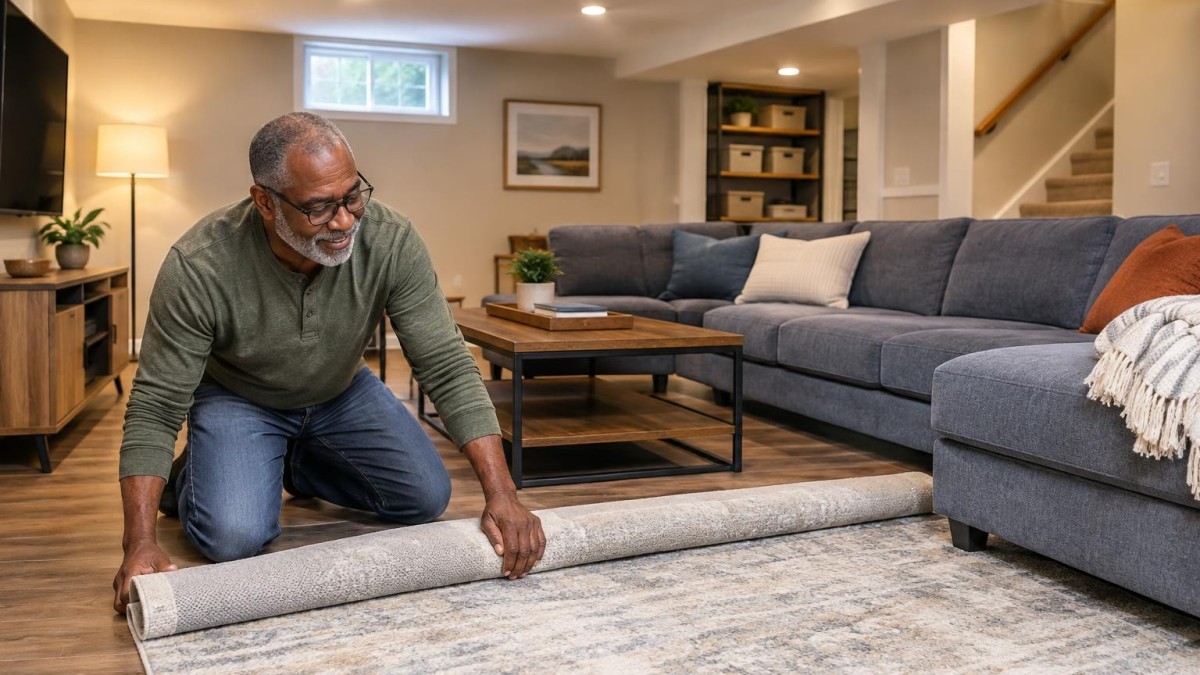
Plan and Budget with Purpose
Transforming your unfinished basement into a usable space can add valuable square footage without an addition. Begin by envisioning the room's purpose—be it a family room, office, guest area, or entertainment spot—and measure the available space carefully. Account for ceiling height, support structures, windows, and mechanical systems, which will influence your layout. Setting a realistic budget early on, including labor, materials, permits, and some wiggle room for unexpected issues like hidden moisture or wiring concerns, helps keep your project on track.
Address Moisture Before Anything Else
Moisture is a common basement challenge that must be tackled before finishing. Even if you don’t see obvious water, moisture can quietly cause damage and mold. Watch for musty smells, water stains, or efflorescence on walls. Fix foundation cracks, improve drainage, or install sump pumps as needed to keep the space dry. Avoid simply painting over damp walls or covering them with standard drywall, as trapped moisture can lead to costly problems.
Lighting and Insulation Matter
Basements often lack natural light, so layering your lighting is key. Combine recessed LEDs for general light with wall sconces or task lights for warmth and focus. Preserve window areas to maximize daylight and choose warm paint tones that keep the space cozy. For insulation, pick materials suited to below-grade walls, like rigid foam or closed-cell spray foam, to keep temperatures stable and moisture at bay. Discuss HVAC needs with a pro, and consider a dehumidifier to maintain comfortable humidity.
Choose Durable, Moisture-Resistant Flooring
Your basement floor faces moisture challenges, so select flooring accordingly. Luxury vinyl planks are popular for being water-resistant and low-maintenance. Tiles offer excellent moisture resistance, while engineered wood or laminate may be possible with the right precautions. Avoid solid hardwood to prevent warping. Test your slab’s moisture and follow manufacturer guidelines rigorously to ensure flooring longevity.
Storage, Ventilation, and Safety Codes
Losing basement storage during finishing is common. Plan built-in shelves or closets strategically, utilizing unused nooks or under-stair areas. Keep mechanical equipment accessible for maintenance. Ventilation is essential to prevent musty air; bathrooms require exhaust fans, and other spaces may benefit from added airflow solutions. It’s wise to test for radon during this time to protect your household. Make sure you understand and secure all needed permits, especially if creating bedrooms or altering electrical or plumbing systems, to comply with safety codes.
Comfort and Professional Help
Choose furnishings and décor that complement the room’s size and function. Soft textiles and area rugs reduce echoes and invite warmth, helping the basement feel like a true part of your home. While some projects like painting may be DIY-friendly, tasks involving wiring, plumbing, structural changes, or waterproofing are best left to experienced professionals. Always verify licenses, insurance, and references before hiring a contractor.
By prioritizing moisture control, planning carefully, and attending to lighting, insulation, flooring, and ventilation, you can turn your basement into a comfortable, functional space that enhances your home’s livability.
Newsletter Station provides professionally written, ready-to-send newsletters customized for your market and brand.
EXPLORE NEWSLETTER OPTIONS