
FEATURE ARTICLE
The Most Common Problems with Older Homes
Jun 10, 2025
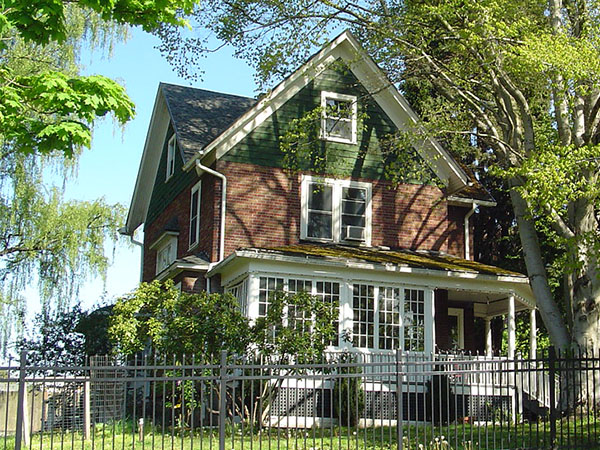
There's something undeniably charming about older homes. They often possess a unique character and a sense of history that newer houses can't replicate. However, nature and history often come with many issues that can be challenging and costly to address.
If you're considering purchasing or already owning an older home, you must know the most common problems you may encounter. In this blog, we'll explore some of these issues and provide insights into how to address them.
Regular inspections and working with qualified professionals can help you preserve the charm and character of your older home while ensuring it remains a safe and functional living space for years to come.
If you're considering purchasing or already owning an older home, you must know the most common problems you may encounter. In this blog, we'll explore some of these issues and provide insights into how to address them.
- Outdated Electrical Systems
One of the most common problems in older homes is outdated electrical systems. Many older houses were built before modern electrical demands, and their wiring may not be up to code. Outdated electrical systems can lead to various issues, including overloaded circuits, insufficient outlets, and increased fire risks. To address this problem, consider hiring a professional electrician to inspect and update your home's wiring to meet current safety standards. - Plumbing Problems
Older homes often have plumbing systems that are past their prime. Common issues include leaking pipes, corroded plumbing, and inadequate water pressure. If you experience plumbing problems, addressing them promptly is crucial to prevent water damage and mold growth. Hiring a licensed plumber for a thorough inspection and necessary repairs is a wise investment. - Foundation and Structural Issues
Over time, a home's foundation and structure can deteriorate, leading to sagging floors, cracks in walls, and doors that don't close properly. These issues may result from settling, water damage, or termite infestations. To assess and remedy structural problems, consult with a structural engineer or foundation specialist. Timely repairs can prevent further damage and maintain the stability of your home. - Insufficient Insulation
Older homes often lack the insulation levels found in modern constructions. Inadequate insulation can lead to energy inefficiency, uncomfortable indoor temperatures, and high heating and cooling bills. Add insulation to your attic, walls, and floors to improve energy efficiency and comfort. Consult with an insulation professional to determine the best options for your home. - Roofing Concerns
Roofs have a limited lifespan, and older homes may have ceilings well past their prime. Common roofing problems in older homes include leaks, missing shingles, and damaged flashing. Ignoring these issues can result in water damage and compromise the structural integrity of your home. Regular roof inspections and timely repairs or replacements are essential to protect your investment. - Lead and Asbestos Hazards
Homes built before the 1980s may contain hazardous materials like lead-based paint and asbestos. Exposure to these substances can lead to severe health problems. If you suspect your home contains lead or asbestos, hiring professionals for proper testing and if necessary, reduction or removal is crucial. - Inadequate Ventilation
Older homes may not have modern ventilation systems, leading to poor indoor air quality and moisture-related problems like mold and mildew. Installing proper ventilation in bathrooms, kitchens, and basements can help mitigate these issues and maintain a healthier living environment.
Regular inspections and working with qualified professionals can help you preserve the charm and character of your older home while ensuring it remains a safe and functional living space for years to come.