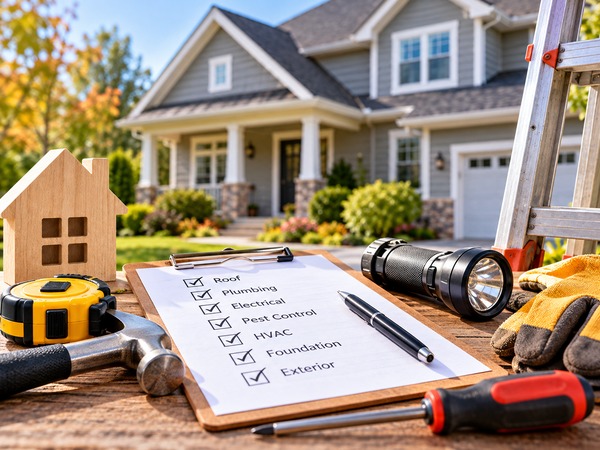
Owning a home means keeping up with repairs and routine maintenance, but some projects are easier to postpone than others. A dripping faucet, a loose roof shingle, or a small crack in the foundation might not seem urgent. Unfortunately, problems that start small can become expensive repairs when left unaddressed.
Knowing which home maintenance tasks deserve immediate attention can help homeowners avoid unnecessary expenses, protect their property, and maintain a safe, comfortable living environment. Here are seven important areas that should never be overlooked.
- Roof Inspections and Repairs
Your roof protects your home from rain, snow, wind, and changing temperatures. Even minor damage can allow moisture to enter, potentially affecting insulation, ceilings, walls, and structural components.
Missing or curling shingles, damaged flashing, water stains on ceilings, and sagging roof sections are all warning signs worth investigating. After severe storms, check for visible damage from the ground and schedule a professional inspection if something looks unusual.
Pay particular attention to areas around chimneys, skylights, and roof vents, where leaks commonly develop. Addressing a damaged shingle or flashing problem early is generally much less expensive than repairing extensive water damage.
- Plumbing Leaks
A slow drip beneath the kitchen sink or a toilet that runs continuously may seem like a minor inconvenience, but plumbing leaks can waste water and cause damage over time.
Check beneath sinks, around toilets, behind appliances, and near water heaters for moisture, corrosion, or unexplained staining. Musty odors, bubbling paint, and unusually high water bills can also indicate hidden leaks.
Don't overlook small leaks around washing machine hoses or refrigerator water lines. These connections can deteriorate with age, sometimes causing significant damage when they fail.
Fix accessible problems promptly, and contact a licensed plumber when leaks involve concealed pipes or require more extensive repairs. Knowing where your home's main water shutoff valve is located can also help minimize damage during a plumbing emergency.
- Electrical Problems
Electrical issues deserve immediate attention because they can create serious fire and shock hazards.
Frequently tripping circuit breakers, flickering lights, buzzing switches, warm outlets, or a burning smell may indicate overloaded circuits, loose connections, or damaged wiring.
Never ignore outlets that spark repeatedly or show signs of discoloration. Stop using affected outlets and have a qualified electrician evaluate the problem. If you notice smoke or signs of an active electrical fire, leave the area and contact emergency services.
Homeowners should also test smoke and carbon monoxide alarms regularly and replace them according to manufacturer recommendations.
Electrical repairs are not the place for guesswork. A professional inspection can identify hazards that may not be visible during everyday use.
- Pest Control and Prevention
Termites, carpenter ants, rodents, and other pests can damage building materials, insulation, and wiring. Some also introduce health concerns through droppings, nesting materials, or contamination.
Watch for sawdust-like debris near woodwork, unexplained holes, damaged insulation, droppings, or scratching sounds inside walls.
Prevention is often easier than dealing with an established infestation. Seal gaps around doors, windows, and utility penetrations, store food securely, and keep firewood away from the house.
Moisture problems can also attract wood-destroying insects, making proper drainage and prompt leak repairs especially important.
If you suspect termites or another destructive pest, arrange a professional inspection before the damage spreads.
- HVAC Maintenance
Heating and cooling systems work hard throughout the year, and neglected maintenance can reduce efficiency, affect comfort, and increase the likelihood of unexpected breakdowns.
Start with simple tasks such as checking air filters regularly and replacing or cleaning them according to the manufacturer's instructions. Keep outdoor equipment clear of leaves, vegetation, and debris, and make sure supply and return vents aren't blocked by furniture.
Schedule professional maintenance as recommended for your heating and cooling equipment. Technicians can inspect electrical connections, test system operation, and identify developing problems.
Duct cleaning isn't automatically necessary as part of routine HVAC maintenance, but it may be appropriate when ducts contain substantial debris, mold contamination, or evidence of pests.
For homes with fuel-burning heating systems, proper venting and functioning carbon monoxide alarms are especially important.
- Foundation and Structural Issues
Not every crack in a foundation or wall signals a serious problem. Small, stable hairline cracks can occur as building materials settle or respond to temperature changes. However, certain warning signs deserve closer attention.
Widening cracks, stair-step cracks in masonry, uneven floors, sticking doors or windows, and walls that appear to bow may indicate foundation movement or structural concerns.
Water pooling near the foundation can contribute to basement moisture problems and, in some situations, soil movement. Keep gutters clear, direct downspouts away from the house, and maintain proper grading so water drains away from the foundation.
If cracks are growing or multiple structural warning signs appear, consult a qualified structural engineer or foundation specialist. Identifying the underlying cause is essential before choosing a repair.
- Exterior Maintenance
Your home's siding, trim, windows, and doors provide important protection against the elements. When these materials deteriorate, moisture can reach areas that are difficult to inspect and expensive to repair.
Look for peeling paint, cracked caulking, loose siding, soft or discolored wood, and gaps around windows and doors. Pay particular attention to exterior trim near rooflines, decks, and areas where water frequently collects.
Damaged caulking and deteriorated weatherstripping can also allow drafts and moisture infiltration, affecting comfort and energy efficiency.
Clean gutters and downspouts regularly, especially during the fall when leaves accumulate. Clogged gutters can cause water to overflow near siding and foundations, while freezing temperatures can make drainage problems worse.
Replacing a small section of damaged trim or repairing failing caulk today may help prevent extensive wood rot and more complicated repairs later.
A Simple Approach to Staying Ahead of Repairs
Home maintenance becomes more manageable when inspections are part of a regular routine rather than something homeowners think about only after a problem develops.
Walk around your property at least twice a year, ideally in spring and fall, and look for changes in the roof, siding, foundation, drainage, and landscaping. Inside, check plumbing connections, test safety alarms, and pay attention to unusual sounds, odors, or moisture.
Keep a record of repairs, inspections, and equipment servicing. Photos can be particularly helpful for monitoring cracks, staining, or other conditions that may change over time.
Most importantly, prioritize repairs based on safety and the potential for further damage. Electrical hazards, active water leaks, structural concerns, and heating system problems generally deserve attention before cosmetic improvements.
Protect Your Home by Addressing Problems Early
Regular home maintenance isn't simply about keeping a property looking its best. It's about protecting the structure, maintaining essential systems, and reducing the risk of expensive surprises.
While some tasks are manageable for homeowners, others require professional expertise. Recognizing the difference and acting before damage becomes extensive can save time, money, and frustration.
A little attention throughout the year can help keep your home safer, more comfortable, and in better condition for years to come.