
Signs of Dehydration in a Cat or Dog: What Every Pet Owner Should Know
Learn to recognize dehydration in cats and dogs by spotting signs like sunken eyes, dry gums, and lethargy, and find practical tips to prevent and treat it effectively.

Explore examples of the useful, professionally written articles available for your newsletter.
Learn to recognize dehydration in cats and dogs by spotting signs like sunken eyes, dry gums, and lethargy, and find practical tips to prevent and treat it effectively.

Pale gums in dogs can indicate conditions like anemia, shock, dehydration, heart disease, or toxin exposure. Prompt veterinary evaluation is important for early diagnosis and treatment.

Stomach issues in pets often stem from dietary indiscretions, sudden diet changes, allergies, infections, parasites, or stress; prevention and vet care ensure better digestive health.
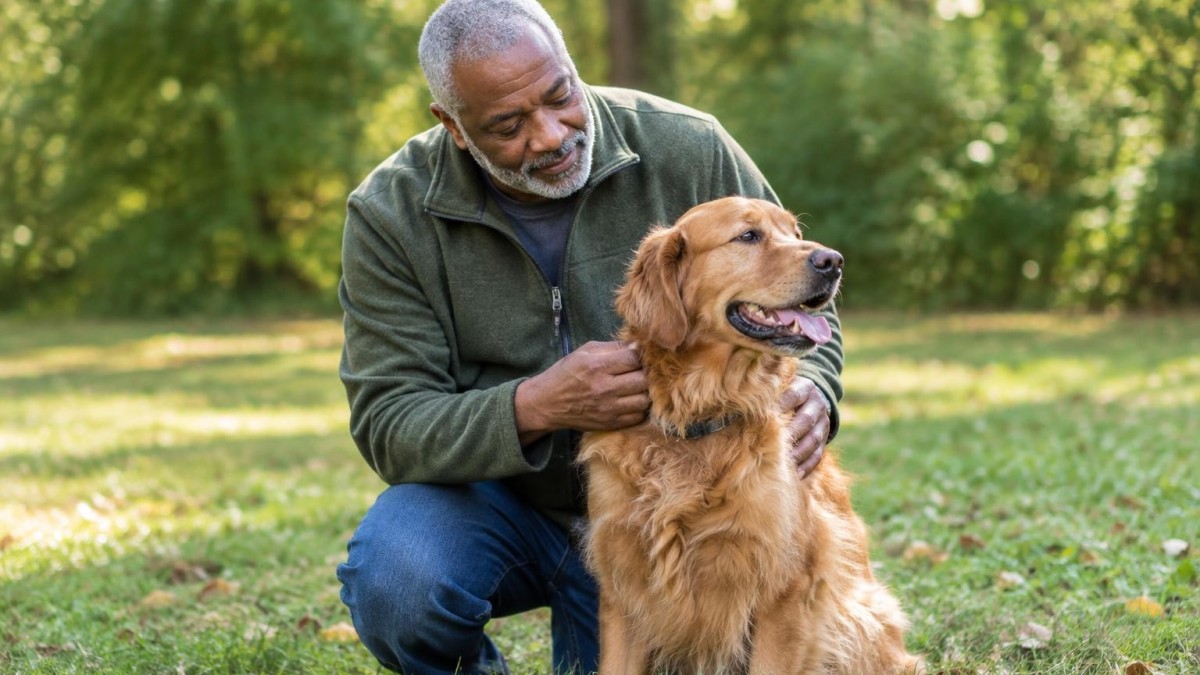
Ticks can transmit serious illnesses like Lyme disease and Rocky Mountain Spotted Fever to pets; learn symptoms and prevention tips to keep them safe.

Lumps on dogs and cats can result from benign growths, allergic reactions, insect bites, infections, parasites, or tumors. Monitoring changes and veterinary evaluation are essential for proper care.

If your pet drinks noticeably more water with frequent urination, accidents, appetite or weight changes, it may signal health issues. Monitor habits and consult your vet promptly.
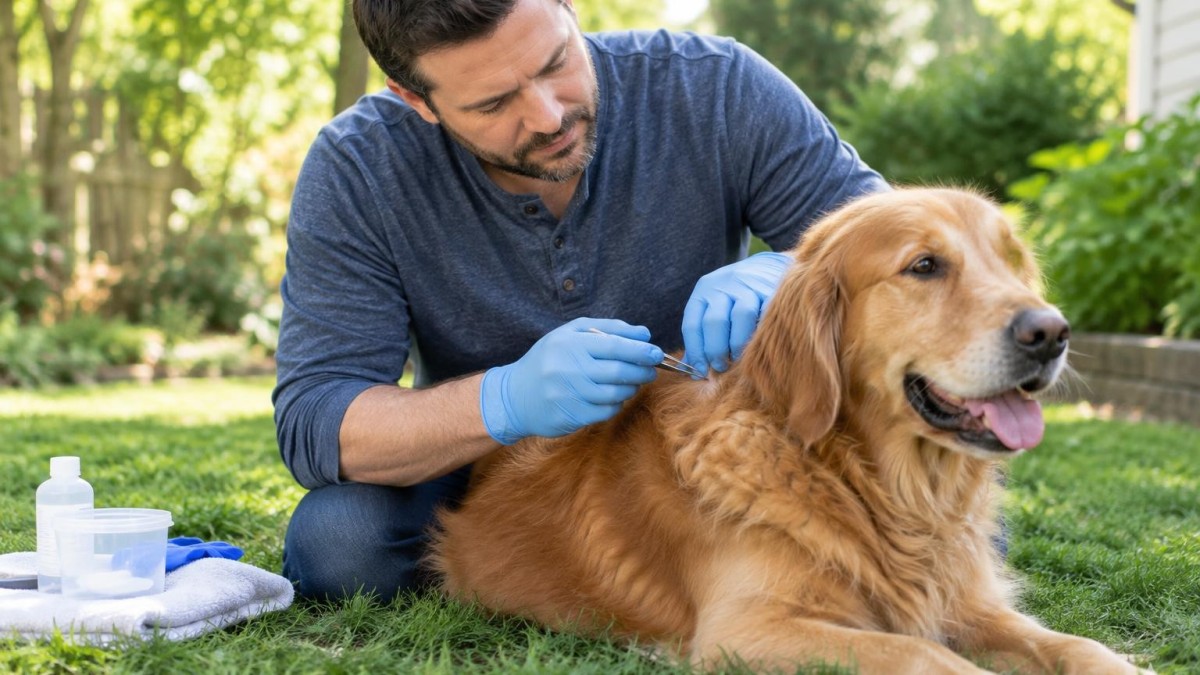
Learn how to safely remove ticks from your pet using proper tools and techniques, clean the bite area, monitor for symptoms, and prevent future infestations with veterinarian-recommended care.

Cats often chew on plants, some of which can cause serious harm. Learn which common plants are toxic, how to recognize symptoms, and safety tips to protect your cat from poisoning.

Learn practical ways to protect your dog’s paws from heat, cold, rough terrain, and chemicals with regular checks, grooming, protective boots, paw balm, and careful walking habits.
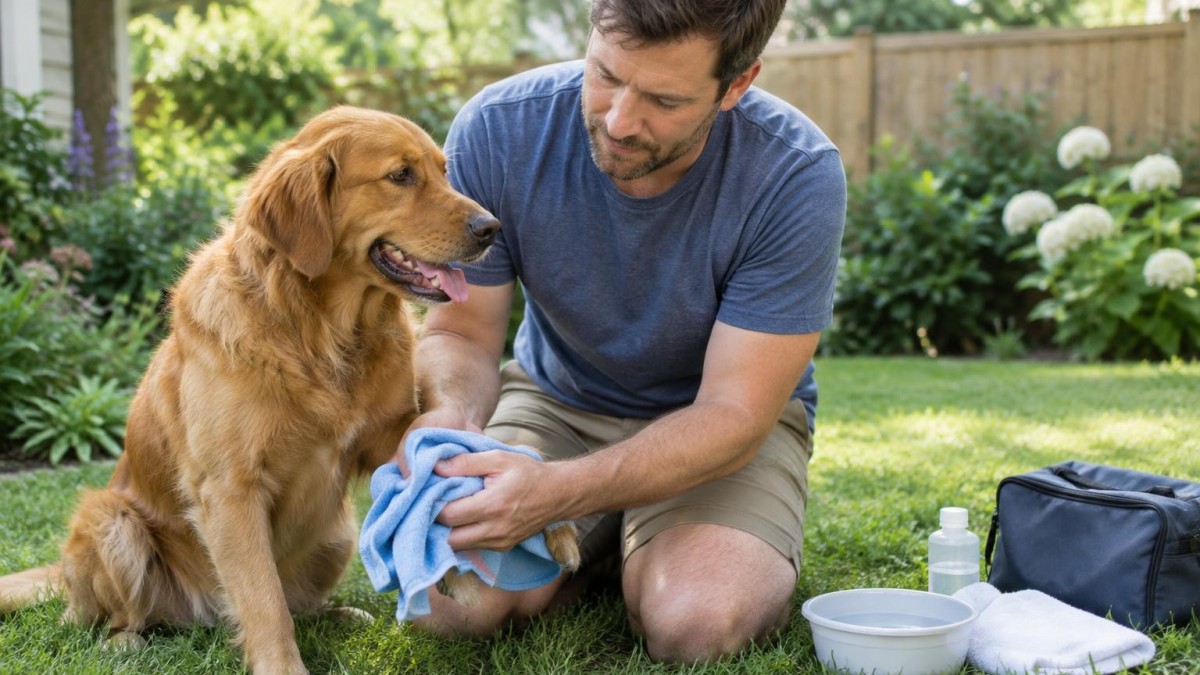
If your pet is stung by an insect, remove the stinger, clean the area, apply a cool compress, and seek veterinary care if serious symptoms occur.

Hot weather risks dogs during walks; learn to spot dangers, protect paws, adjust exercise, and provide safe indoor activities for their comfort.

When your pet refuses food, it might mean minor stress or a health issue. Learn common causes, practical ways to encourage eating, and when veterinary care is needed.