
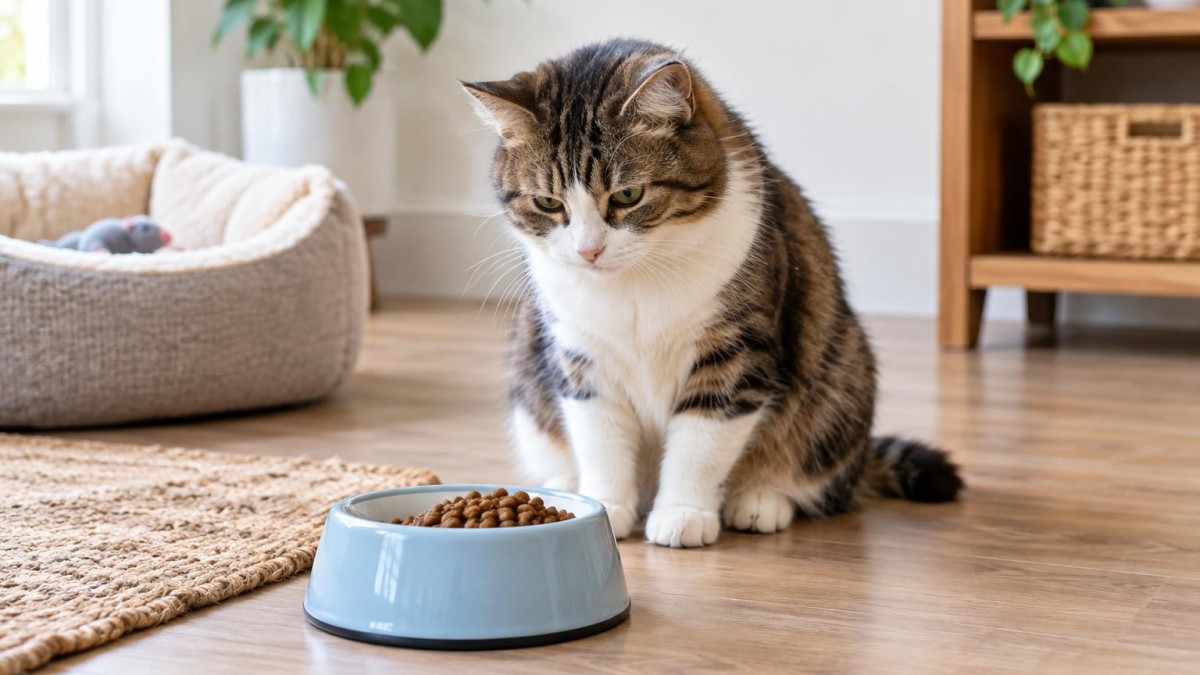
Understanding Why Your Pet Might Refuse Food
When your pet suddenly stops eating, it's natural to worry. While missing a meal from time to time isn’t always serious, a persistent loss of appetite can signal health issues, stress, or discomfort. Pets, whether dogs or cats, show changes in eating habits for many reasons, so it’s important to look at the entire picture, including their age, health history, and usual behavior.
Common Reasons for Appetite Loss
Medical issues such as dental disease, digestive problems, infections, or kidney and liver concerns often affect a pet’s desire to eat. Additionally, pain, nausea, or side effects from medications can reduce appetite. Observe your pet for other signs like vomiting, diarrhea, lethargy, weight loss, changes in thirst or urination, and unusual behaviors, as these can help pinpoint the cause.
Sometimes, changes in your pet’s environment or routine cause stress or confusion. Moving homes, introducing new family members or pets, changing feeding schedules or food types, or even adding new medications can affect eating habits. Gradual transitions and maintaining consistency can ease these adjustments.
Practical Steps to Encourage Eating
Check the quality and freshness of your pet’s food, making sure it’s stored properly and not expired. Sudden changes in texture or flavor can upset sensitive pets. Stick to a regular feeding schedule and avoid excessive treats or table scraps, which might spoil their appetite for balanced meals.
Creating a quiet, comfortable feeding spot can reduce anxiety that interferes with eating. Some pets prefer solitude during meals, while others feel reassured by your presence. If you’ve introduced another pet, feeding them separately might prevent stress or competition.
If your veterinarian has ruled out medical issues, minor adjustments like warming wet food to enhance aroma or adding approved toppers can make meals more inviting. Interactive feeders and food puzzles may stimulate pets who enjoy a challenge with mealtime.
When to Seek Veterinary Help
Monitor your pet closely if they skip a meal but otherwise seem well. Note any changes in eating, drinking, energy, bathroom habits, and behavior. Weight loss alongside decreased appetite is a warning sign. Certain symptoms—such as repeated vomiting, diarrhea, severe lethargy, difficulty breathing, pain, or dehydration—call for immediate veterinary attention. Cats are particularly vulnerable to complications from not eating, so timely action is crucial.
Trust your instincts and don't hesitate to contact your veterinarian for advice if you’re uncertain whether your pet’s appetite change is serious.
Keeping an eye on your pet’s normal eating patterns is a vital part of caring for their overall health. By paying attention to changes and responding quickly, you can help your furry friend stay healthy and comfortable.
Newsletter Station provides professionally written, ready-to-send newsletters customized for your market and brand.
EXPLORE NEWSLETTER OPTIONS