
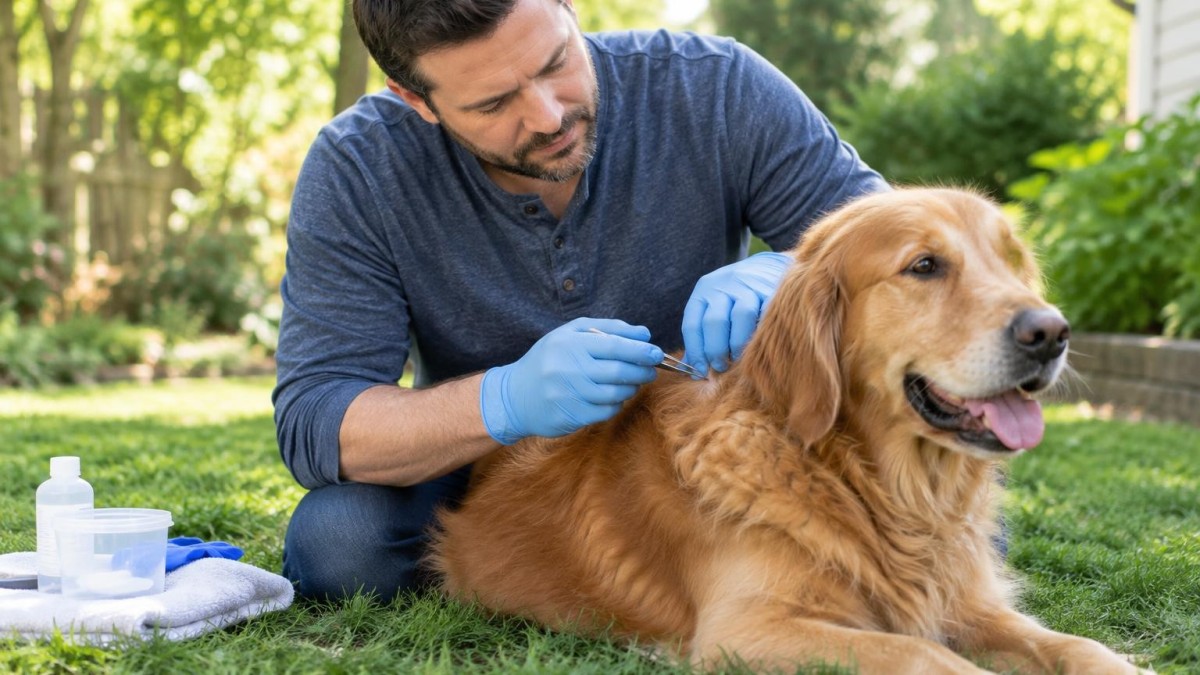
Why Proper Tick Removal Matters
Ticks are more than just an annoyance for your pets; they can transmit serious diseases like Lyme disease, anaplasmosis, and ehrlichiosis. These tiny parasites thrive in wooded areas, tall grass, and even yards, especially when the weather stays above freezing. Removing ticks promptly and properly helps protect your pet’s health and reduces the risk of infection.
Steps for Safe Tick Removal
First, gather your supplies: fine-tipped tweezers or a veterinarian-recommended tick remover, disposable gloves, a sealable container or plastic bag, rubbing alcohol, mild soap or pet-safe antiseptic, and a clean towel. Avoid home remedies like petroleum jelly or nail polish, as they can irritate your pet and delay removal.
Choose a calm, well-lit spot where your pet is comfortable. Part the fur carefully to locate the tick and consider having someone help hold your dog or soothe your cat. Wear gloves to avoid direct contact, especially if you have cuts on your hands.
Using tweezers, grasp the tick close to your pet’s skin near its mouthparts without squeezing its body. Pull it straight out with steady, gentle pressure—avoid twisting or yanking to prevent leaving mouthparts behind. If any remain, don’t dig them out; instead, monitor the area for irritation and seek veterinary advice if needed.
After removal, place the tick in rubbing alcohol inside your sealed container to kill it safely—never crush it with your fingers. Taking a photo of the tick can be helpful if your pet shows symptoms later. Then, clean the bite area gently with soap and water or a veterinarian-approved antiseptic and wash your hands thoroughly.
Watch and Prevent
Keep an eye on your pet for signs like fatigue, fever, loss of appetite, limping, swelling, or unexplained bruising over the weeks following the bite. If symptoms develop, contact your veterinarian promptly. Never treat your pet with human medications or antibiotics without professional guidance.
Prevention is key. Discuss year-round tick prevention options with your vet, which may include oral meds, topical treatments, or tick collars. Make routine tick checks part of your post-outdoor activities, especially around the ears, under the legs, between toes, and near the tail and groin. Maintaining your yard by trimming grass and removing leaf litter can also help reduce tick exposure.
Seek veterinary help if removal is difficult, if your pet has many ticks, the bite area looks infected, or your pet shows signs of illness. With proper care and vigilance, you can keep your furry friend safe while enjoying the outdoors.
Newsletter Station provides professionally written, ready-to-send newsletters customized for your market and brand.
EXPLORE NEWSLETTER OPTIONS