
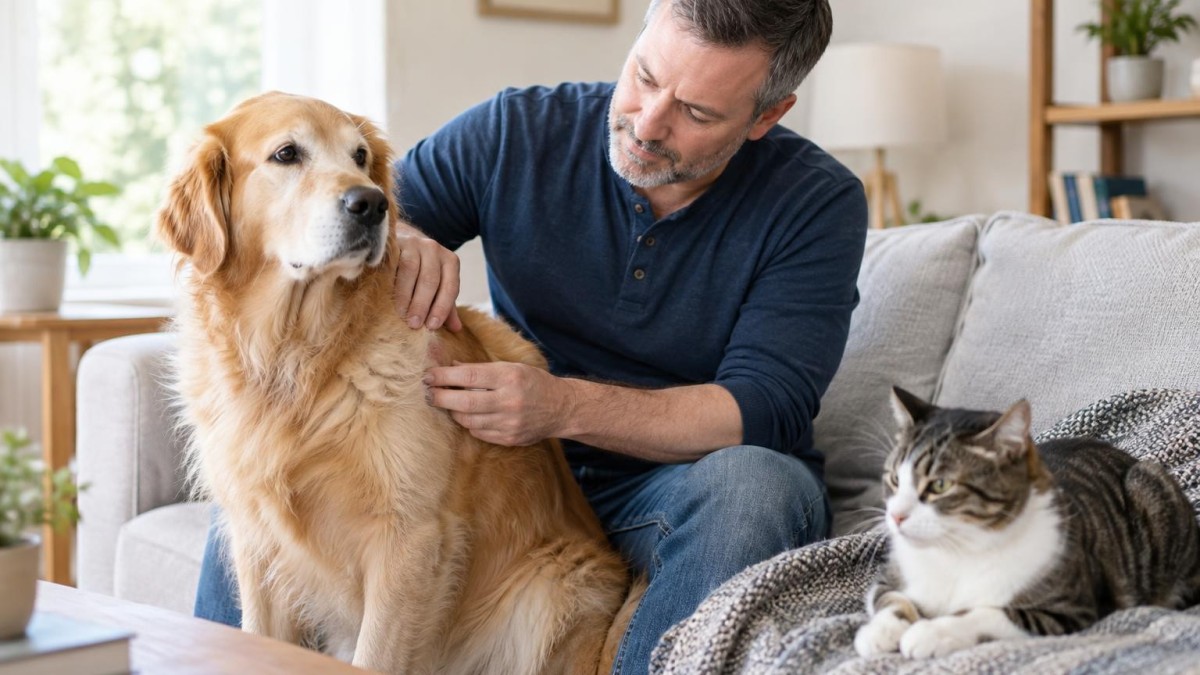
Common Causes of Lumps and Bumps in Pets
Noticing a new lump on your dog or cat can be worrying, but many bumps are harmless. Typical issues include lipomas (fatty tumors), cysts, allergic reactions, insect bites, abscesses, warts, parasite bites, and tumors – both benign and malignant. Each type of bump has distinct characteristics and implications.
Understanding Different Lumps
Lipomas are soft, movable, benign fatty growths, mostly affecting middle-aged and older dogs. Cats can get them, too, though less frequently. Cysts are enclosed sacs under the skin that may contain fluid or other material; they usually grow slowly and can sometimes become inflamed if ruptured.
Allergic reactions trigger bumps, hives, redness, or swelling on the skin, often caused by insect bites or environmental allergens. These can appear suddenly and may cause your pet to scratch or lick the area. Insect bites themselves create small, itchy bumps, commonly found around paws, faces, and mouths. Abscesses, pockets of infection beneath the skin, often occur after bites or wounds and require prompt veterinary care to drain and treat the infection.
Parasites like fleas, ticks, and mites cause itchy bumps and skin irritation. Flea bites typically affect the lower back and tail area, while ticks might feel like bumps attached to the skin. Regular parasite prevention helps reduce these problems and keeps pets comfortable.
Some lumps may be warts or papillomas — often benign virus-related growths that appear rough or cauliflower-like, frequently around the mouth in younger dogs.
When to Consult a Veterinarian
Because many lumps look similar, it’s important not to self-diagnose. Anytime you find a new lump or notice changes in size, color, texture, or if the bump bleeds, oozes, or becomes painful, arrange a veterinary checkup. Your vet might perform a fine-needle aspiration or biopsy to determine the nature of the lump, guiding appropriate treatment.
Rapid swelling, severe pain, signs of infection, difficulty breathing, or collapse require urgent veterinary attention.
Monitoring and Care at Home
Keep track of any lumps by noting their size, location, and appearance over time. Taking photos with a scale can be helpful for vet consultations. Watch for changes and pay attention to your pet’s behavior, including increased scratching or changes in appetite.
While many lumps are benign and manageable, early veterinary evaluation is key to ensuring your pet gets the right care without delay.
Newsletter Station provides professionally written, ready-to-send newsletters customized for your market and brand.
EXPLORE NEWSLETTER OPTIONS