
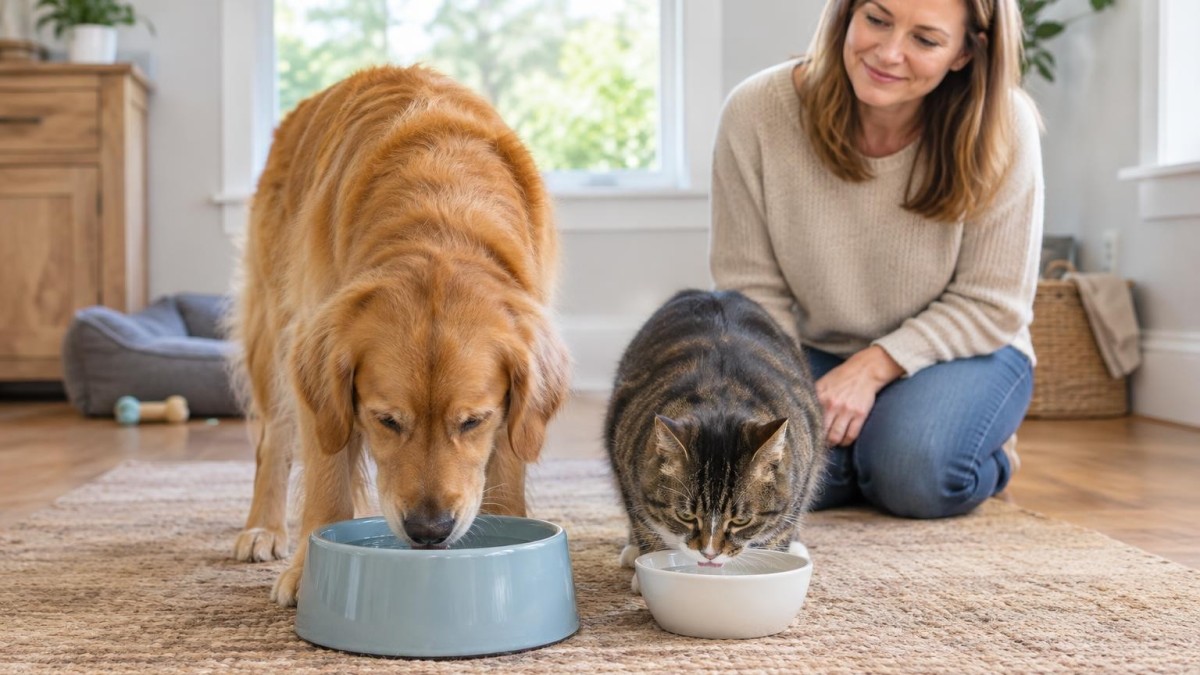
Understanding Your Pet's Water Intake
While many pet owners focus on how much their dog or cat eats, monitoring changes in their drinking habits can be equally crucial. If your pet suddenly drinks more water, empties the bowl faster, or requests more frequent bathroom breaks, these could be important signs rather than just random behavior.
Signs of Excessive Thirst and Urinary Changes
Increased thirst, known medically as polydipsia, often leads to frequent urination. A dog might ask to go outside more often, or you might notice larger puddles or longer urination. Cats may show subtler signs, like larger urine clumps in the litter box or needing more frequent litter changes.
Sometimes increased attempts to urinate with little output point to other problems like bladder inflammation or obstruction, which require immediate veterinary care, especially common and serious in male cats.
Additionally, watch for accidents indoors in pets that were previously well house-trained. This can be due to the difficulty in holding a suddenly larger urine volume rather than behavioral issues. Older pets with mobility problems may also find it harder to reach the litter box or door in time.
How Much Water Should Your Pet Be Drinking?
Water needs vary based on size, age, diet, activity, and environment. For example, healthy dogs typically drink around 40–60 milliliters per kilogram of body weight daily. A 20-pound dog might consume about 12–18 ounces of water under usual conditions. Cats often get much of their water from wet food, so those on canned diets might drink less from their bowls.
What matters most is not the exact amount, but if your pet’s intake has noticeably changed over time.
Possible Causes of Excessive Thirst
A range of medical conditions can cause increased thirst and urination. Diabetes mellitus is a common cause where high blood sugar leads to excess urine production and thirst. Kidney disease can reduce the kidneys' ability to concentrate urine, leading to similar symptoms. Cushing's disease, urinary tract infections, liver disease, and other health issues may also play a role. Some medications, such as corticosteroids or diuretics, can increase drinking and urination as a side effect.
Not every increase indicates illness; warmer weather, more exercise, or a switch to dry food can also raise water consumption. However, persistent or unexplained changes deserve attention.
When to Contact a Veterinarian
If your pet’s thirst increases noticeably and stays high without a clear reason, or if it’s accompanied by frequent urination, accidents indoors, weight loss, changes in appetite, vomiting, or lethargy, it’s time to consult your veterinarian. Early diagnosis can help with managing many conditions more effectively.
Monitoring at Home
You can track your pet’s water intake by filling their bowl with a measured amount of water and recording how much they consume over 24 hours. Take note of any other symptoms or behavior changes to share with your vet. Avoid limiting water access, as this can lead to dehydration and worsen problems.
Remember, your pet’s water bowl can reveal important clues about their health. Paying close attention to drinking habits alongside behavior and physical signs helps ensure your furry friend stays healthy and comfortable.
Newsletter Station provides professionally written, ready-to-send newsletters customized for your market and brand.
EXPLORE NEWSLETTER OPTIONS