
FEATURE ARTICLE
How Hot Is Too Hot to Walk Your Dog?
Sep 2, 2026
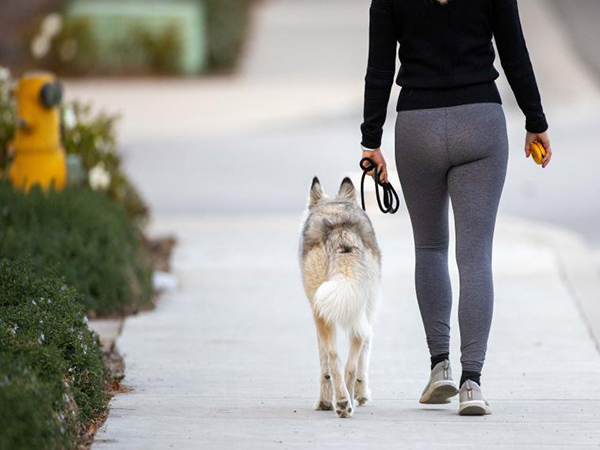
As responsible pet owners, we want our dogs to stay active, healthy, and happy. Regular walks provide valuable physical exercise and mental stimulation, but hot and humid weather can quickly turn an enjoyable outing into a serious health risk.
There isn't one temperature that is automatically too hot for every dog. Your dog's breed, age, size, health, fitness level, coat, humidity, and the walking surface all affect how well they tolerate heat. Dogs also rely primarily on panting to cool themselves, making them more vulnerable to overheating than people may realize.
Knowing when to skip a walk, shorten the outing, or choose an indoor activity can help prevent heat exhaustion, heatstroke, and painful paw burns.
Your dog doesn't have to miss out on exercise and enrichment just because temperatures rise. The key is knowing when outdoor activity is appropriate and when it's better to stay inside.
Check the weather, consider humidity and pavement temperature, take your dog's individual health and breed into account, and watch closely for signs of overheating. When conditions are unsafe, substitute indoor games, training, and enrichment for the usual walk.
Most importantly, don't feel that you need to meet your dog's normal exercise routine at all costs. On particularly hot days, choosing safety over a longer walk can help protect your dog from a potentially life-threatening heat-related illness.
There isn't one temperature that is automatically too hot for every dog. Your dog's breed, age, size, health, fitness level, coat, humidity, and the walking surface all affect how well they tolerate heat. Dogs also rely primarily on panting to cool themselves, making them more vulnerable to overheating than people may realize.
Knowing when to skip a walk, shorten the outing, or choose an indoor activity can help prevent heat exhaustion, heatstroke, and painful paw burns.
-
Check the Temperature and Humidity
Before heading outside, check both the temperature and humidity rather than relying on temperature alone. High humidity makes it harder for dogs to cool themselves through panting.
There is no universal temperature cutoff that applies to every dog. A temperature that is manageable for one healthy adult dog may be dangerous for a senior dog, a puppy, an overweight dog, or a short-nosed breed.
When conditions are particularly hot or humid, consider skipping strenuous exercise altogether. If you do go outside, keep the walk short, choose a shaded route, and monitor your dog closely. -
Check the Pavement Before You Walk
Hot pavement, asphalt, sidewalks, sand, and other surfaces can burn your dog's paw pads even when the air temperature doesn't seem extreme.
A commonly recommended method is the seven-second test: place the back of your hand against the pavement for about seven seconds. If the surface is too hot for you to keep your hand there comfortably, it's too hot for your dog's paws.
However, don't rely on this test alone. Pavement temperature can vary significantly depending on direct sunlight, shade, surface material, and recent weather conditions.
Whenever possible, choose grassy or shaded routes during hot weather. If the ground is too hot, postpone the walk rather than risking burned paw pads. -
Consider Your Dog's Individual Risk Factors
Some dogs are much more susceptible to heat-related problems than others. Extra caution is important for:- Puppies and senior dogs
- Dogs that are overweight
- Dogs with heart, respiratory, or other health conditions
- Dogs with short or flat noses, such as Bulldogs and Pugs
- Dogs that have experienced heatstroke previously
- Dogs with heavy coats or dark-colored coats
If you're unsure how much exercise your dog can safely handle in hot weather, ask your veterinarian for guidance based on your dog's age, breed, health, and activity level. -
Time Your Walks Wisely
If the weather is hot, avoid walking during the hottest part of the day. Early morning is often one of the better options because temperatures and pavement temperatures are generally lower.
An evening walk can also be preferable to an afternoon outing, but don't assume the temperature will immediately become comfortable once the sun goes down. Check current conditions before heading out.
On exceptionally hot days, a brief bathroom break may be all your dog needs outdoors. You can provide exercise and mental stimulation indoors until conditions improve. -
Watch Your Dog for Signs of Overheating
Your dog may tell you when they've had enough. Pay close attention to changes in behavior and breathing, particularly during warm-weather exercise.
Potential warning signs include:- Excessive or frantic panting
- Heavy drooling or thick saliva
- Bright red gums or tongue
- Rapid or difficult breathing
- Weakness or unusual fatigue
- Vomiting or diarrhea
- Trouble walking or maintaining balance
- Confusion or disorientation
- Collapse or loss of consciousness
If your dog shows signs of serious overheating, move them to a cool, well-ventilated area, begin cooling them with cool—not ice-cold—water, and contact a veterinarian or emergency veterinary hospital immediately. Even if your dog appears to recover, veterinary evaluation may be necessary because heatstroke can cause internal organ damage. -
Keep Your Dog Hydrated
Always provide access to fresh, clean water, especially during warm weather. For longer outings, bring water and a portable bowl so your dog can drink along the way.
Don't wait until your dog appears extremely thirsty before offering water. Frequent breaks can help prevent overheating, particularly when you're walking, hiking, or spending extended periods outdoors.
At home, make sure your dog has access to water and a cool, shaded or air-conditioned area where they can rest. -
Choose Indoor or Shaded Activities
When it's too hot for a traditional walk, your dog can still get plenty of physical and mental stimulation.
Try activities such as:- Playing fetch in a cool, open area indoors
- Practicing obedience or trick training
- Using puzzle toys and interactive feeders
- Hiding treats around the house for your dog to find
- Playing tug-of-war
- Practicing scent games
- Providing supervised enrichment activities
-
Don't Assume Swimming Is Always the Answer
A pool, lake, or other body of water can provide a fun way for some dogs to cool down, but swimming isn't automatically safe for every dog.
Always supervise your dog around water and provide access to fresh drinking water. Dogs should also have a safe way to get out of the water. If you're using a backyard pool, make sure your dog cannot accidentally become trapped.
And remember that a wet dog can still overheat in hot, humid conditions. Swimming should complement—not replace—good overall heat safety practices. -
Never Leave Your Dog in a Hot Car
Even if you are only stepping away for a few minutes, never leave your dog unattended in a parked vehicle. Temperatures inside cars can rise rapidly, creating a potentially fatal environment. Cracking the windows does not make a hot vehicle safe.
If your dog cannot safely accompany you to a destination, it's best to leave them at home in a cool, comfortable environment.
Your dog doesn't have to miss out on exercise and enrichment just because temperatures rise. The key is knowing when outdoor activity is appropriate and when it's better to stay inside.
Check the weather, consider humidity and pavement temperature, take your dog's individual health and breed into account, and watch closely for signs of overheating. When conditions are unsafe, substitute indoor games, training, and enrichment for the usual walk.
Most importantly, don't feel that you need to meet your dog's normal exercise routine at all costs. On particularly hot days, choosing safety over a longer walk can help protect your dog from a potentially life-threatening heat-related illness.