
Why Some Plants Are Dangerous to Your Cat
Cats are naturally curious creatures and often explore the world through their mouths. While this can be endearing, it poses risks when it comes to houseplants and garden greenery. Many popular plants, both indoors and outdoors, can cause anything from mild irritation to severe poisoning in cats. Knowing which plants are harmful and how to keep your feline friend safe is essential for any cat owner.
High-Risk Plants to Avoid
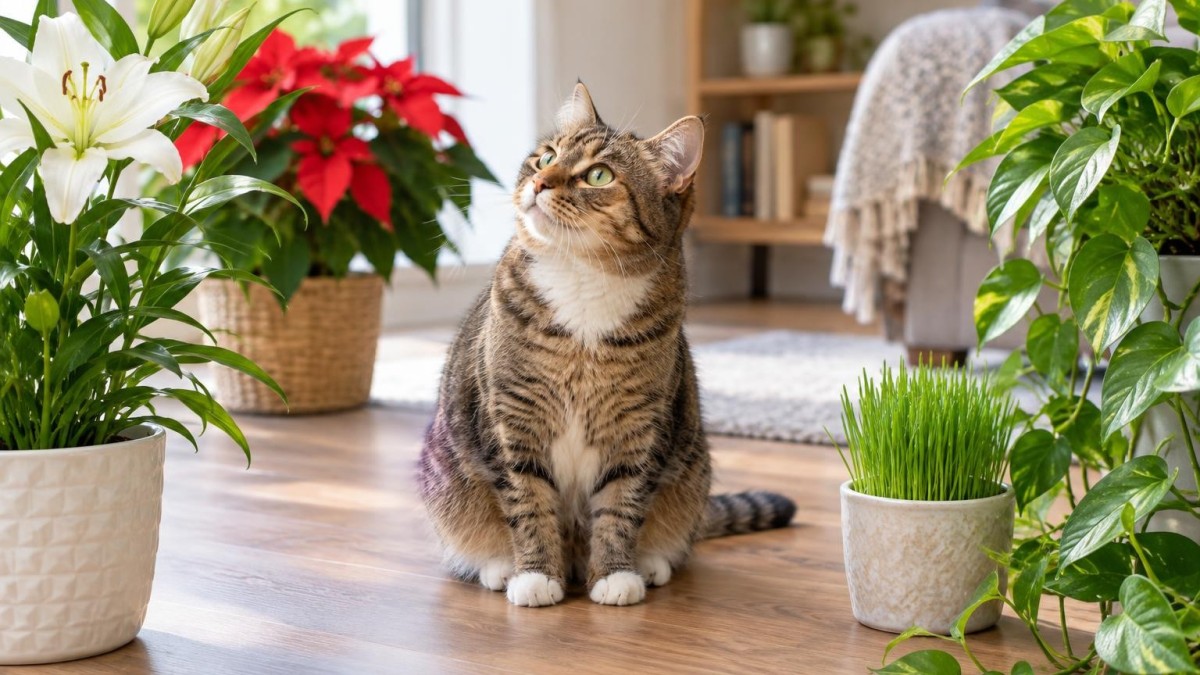
One of the most dangerous groups of plants for cats are true lilies and daylilies, including Easter lilies and tiger lilies. Even a small nibble or contact with pollen or water from a vase containing these flowers can cause serious kidney damage, making any exposure a veterinary emergency.
Poinsettias, often thought to be highly toxic, usually cause only mild irritation such as drooling or upset stomach but should still be kept out of reach. Aloe vera, popular for its skin benefits in humans, can induce vomiting or diarrhea in cats if ingested.
Other plants like oleander, azaleas, rhododendrons, and philodendrons contain compounds that affect the heart, nervous system, or cause painful irritation when chewed. Outdoor plants such as oleander and azaleas require particular caution if your cat roams outside.
Cannabis plants and related products also pose risks including neurological symptoms and require secure storage away from pets.
Less Known but Harmful Plants
The list of risky plants doesn't end there. Sago palms, dieffenbachia, English ivy, peace lilies, jade plants, tulips, daffodils, hyacinths, snake plants, cyclamen, pothos, and chrysanthemums also present dangers to cats. Some parts, like bulbs in tulips and daffodils, are especially toxic. Always research unfamiliar plants before bringing them home.
Protecting Your Cat and Recognizing Trouble
Besides avoiding harmful plants, be cautious with cut flowers and bouquets that may include dangerous varieties or shed pollen and leaves your cat can ingest. Watch for symptoms like vomiting, excessive drooling, pawing at the mouth, weakness, tremors, or difficulty breathing.
If you suspect your cat has eaten a poisonous plant, act quickly. Remove them from the area, do not induce vomiting unless directed by a vet, and gather information about the plant for your veterinarian. Emergency treatment can be lifesaving, especially with highly toxic plants like true lilies.
Creating a Safe Plant Environment
The simplest solution is choosing cat-safe plants and placing all greenery where curious paws can't reach. Consider providing cat grass as a safe alternative for cats that love to chew. Check your indoor spaces and outdoor areas for dangerous plants, and keep an eye on bouquets and gifts that contain potentially toxic flowers.
Being informed and vigilant means you don’t have to sacrifice your love of plants while ensuring your cat stays safe and healthy. A little precaution goes a long way in preventing accidental poisonings and keeping your feline companion happy.
Newsletter Station provides professionally written, ready-to-send newsletters customized for your market and brand.
EXPLORE NEWSLETTER OPTIONS