
Why Protect Your Dog’s Paws?
Your dog’s paws face a lot of challenges throughout the year—from sizzling pavement and scorching sand in the summer to ice, snow, and harsh chemicals in the winter. They also encounter rough terrain like gravel, sharp rocks, and debris. While paw pads are naturally tough, they’re not invincible. Protecting them helps prevent painful burns, cuts, cracks, and irritation, keeping your furry friend comfortable and active.
Simple Steps to Keep Paws Healthy
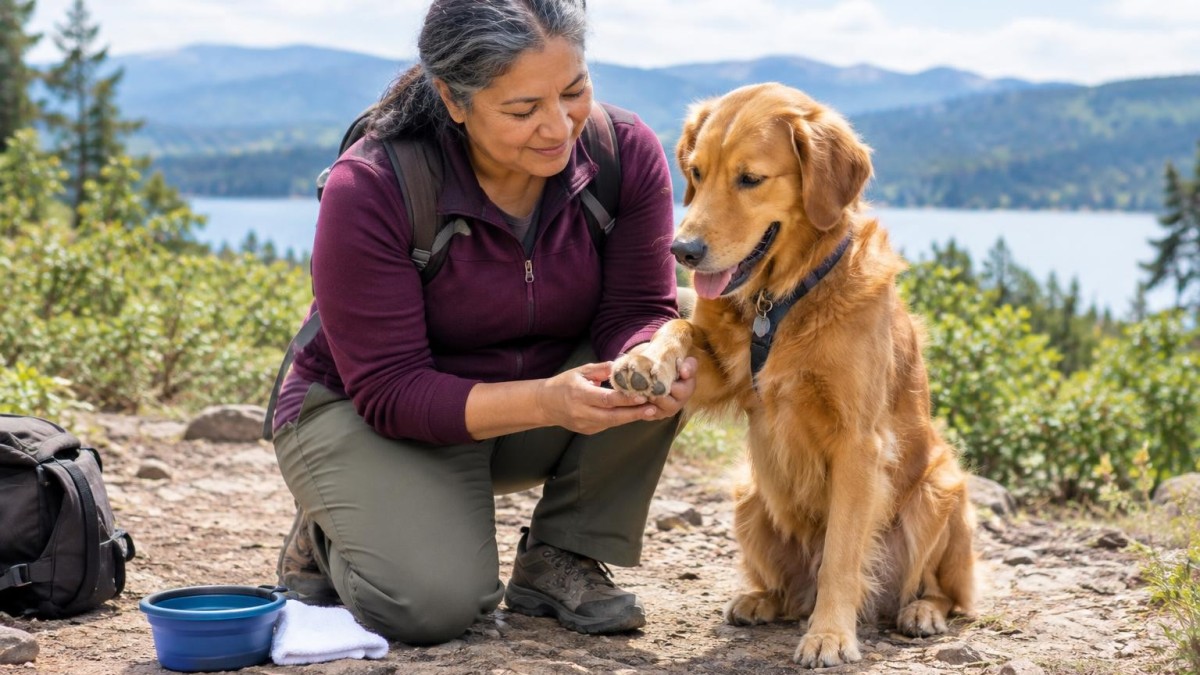
Get into the habit of checking your dog's paws regularly after outings. Look for cuts, swelling, cracks, blisters, or any debris stuck between toes. Notice if your dog suddenly licks or chews at their paws or limps—these can be signs of discomfort.
Maintain trimmed nails and paw hair, especially for long-haired breeds, to reduce dirt and snow buildup. If you’re unsure about grooming, professional groomers or vets can help safely handle this.
Consider dog boots, which provide a barrier against hot pavements, icy sidewalks, rough trails, and harmful chemicals. Find well-fitting boots and let your dog get used to them indoors before venturing outside.
Use a dog-safe paw balm to moisturize and protect dry or cracked pads, particularly in cold months. These balms aren’t substitutes for avoiding harsh conditions but can add an extra layer of care.
After walks, especially in winter or muddy areas, clean your dog’s paws to remove salt, dirt, and debris. Use pet wipes for light cleaning or wash their feet thoroughly if needed, drying well afterward.
Adapt Your Routine to Weather and Terrain
Avoid midday walks on hot surfaces by choosing early mornings or evenings, and favor grassy or shaded routes. During winter, shorten outings when sidewalks are icy or heavily salted, and always inspect paws afterward.
Gradually increase your dog’s walking on new or rough surfaces to let their paw pads build resilience. Be attentive to their comfort and avoid sudden long distances on unfamiliar terrain.
Keep an eye on walking paths for hazards like broken glass, thorns, or fresh debris from storms or construction. When hiking, check paws during rest stops to catch any issues early.
When to See a Veterinarian
If your dog has persistent bleeding, deep wounds, swelling, unusual discoloration, discharge, or keeps limping, consult a vet. Rinse paws immediately if you suspect contact with harmful chemicals and seek professional advice.
Regular, simple care keeps your dog’s paws healthy year-round, letting them enjoy walks and adventures comfortably. A quick check after every outing can make all the difference in preventing bigger problems.
Newsletter Station provides professionally written, ready-to-send newsletters customized for your market and brand.
EXPLORE NEWSLETTER OPTIONS