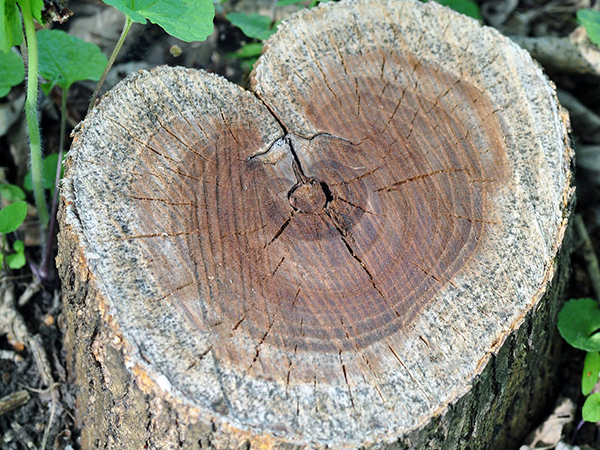
Unearthing the Benefits: Stump Grinding After Tree Removal
- By the dedicated team of editors and writers at Newsletter Station.
Have you ever had a tree removed from your property, only to be left with an unsightly stump protruding from the ground? If so, you’re not alone. Many homeowners face this dilemma after cutting down a tree, unsure of what to do with the leftover stump.
Fortunately, there’s a solution: stump grinding. This often-overlooked step in tree removal offers numerous practical and aesthetic benefits. Let’s explore why stump grinding is a valuable investment for your property.
Enhanced Aesthetics
One of the most immediate benefits of stump grinding is its ability to improve the visual appeal of your landscape. Stumps can be eyesores, disrupting the harmony of an otherwise well-manicured lawn. Grinding the stump down to ground level eliminates this unattractive focal point, creating a smoother, more visually pleasing landscape. This is especially important if you’re considering selling your home or hosting outdoor events where aesthetics matter.
Preventing Hazardous Situations
Beyond aesthetics, stumps pose potential safety hazards, mainly if they’re located in high-traffic areas or near structures. They can be tripping hazards for pedestrians and can damage lawn-mowing equipment. Moreover, unattended stumps can attract pests such as termites, ants, and beetles, which may eventually find their way into your home. By grinding the stump, you eliminate these risks, making your property safer for residents and visitors.
Promoting Healthy Growth
Stumps left in the ground can continue to sprout new growth, resulting in unwanted shoots or suckers. Not only can this new growth be aesthetically displeasing, but it can also divert nutrients and water away from nearby plants and trees, inhibiting their growth. Stump grinding eradicates the stump, preventing future regrowth and allowing surrounding vegetation to flourish unchecked.
Ease of Landscaping
Attempting to work around a stubborn stump can be a headache for homeowners looking to redesign or expand their outdoor spaces. Whether you’re planning to install a new garden, patio, or driveway, having a stump in the way can complicate the process and drive up costs. Stump grinding eliminates this obstacle, providing a clean slate for your landscaping endeavors and saving you time and money in the long run.
Environmental Considerations
While some homeowners may remove stumps by chemical means or burning, stump grinding is a more environmentally friendly alternative. Chemical stump removers often contain harsh ingredients that can leach into the soil and harm surrounding plants and wildlife. Burning stumps release carbon dioxide and other pollutants into the atmosphere. In contrast, stump grinding produces biodegradable wood chips that can be recycled or composted, minimizing environmental impact.
In conclusion, stump grinding offers many benefits for homeowners reclaiming their outdoor spaces after tree removal. From improving aesthetics and safety to promoting healthy growth and facilitating landscaping projects, stump grinding is a worthwhile investment that pays dividends in the short and long term.
By enlisting the services of a professional tree care company, you can enjoy a pristine landscape free of unsightly stumps, allowing you to appreciate the beauty of your property fully.