Creating a Beautiful, Wildlife-Friendly Lawn: Balancing Aesthetics and Ecology
- By the dedicated team of editors and writers at Newsletter Station.
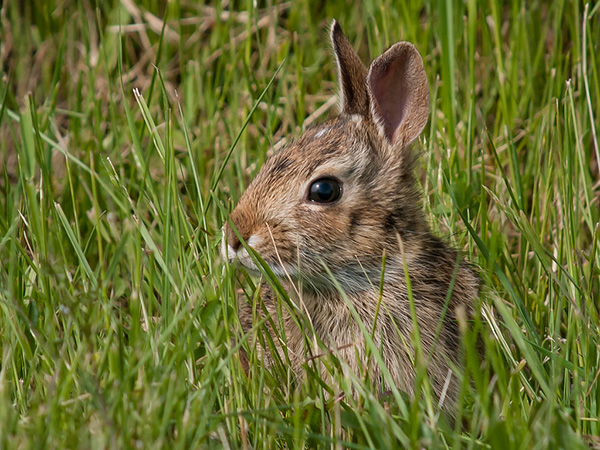
In landscaping, there’s often a perceived conflict between maintaining a pristine, manicured lawn and supporting biodiversity and ecological balance. In reality, these goals can coexist. With thoughtful planning and design, you can create a lawn that is visually stunning while providing habitat and resources for local wildlife.
A wildlife-friendly lawn adds depth, texture, and vitality to your outdoor space, while also contributing to the health of the local ecosystem.
Here are strategies to achieve a harmonious balance between beauty and ecological responsibility.
Embrace Native Plants
One of the most effective ways to attract and support wildlife is by incorporating native plants into your lawn and garden. Native species are naturally adapted to local climate, soil, and wildlife, making them essential for creating a resilient, sustainable landscape. They provide food, shelter, and breeding opportunities for native insects, birds, and other animals.
When selecting native plants, include a variety that blooms at different times of year. This ensures a consistent source of nectar and pollen for pollinators such as bees, butterflies, and hummingbirds. Incorporate plants of varying heights, textures, and colors to create visual interest and mimic natural ecosystems.
Reduce Lawn Area
Instead of maintaining a large, uninterrupted lawn, consider reducing its size and introducing more naturalistic landscaping features. Meadow areas, wildflower patches, native shrubs, and perennial borders require less maintenance than traditional turf and provide valuable habitat for wildlife.
Integrating diverse grasses, wildflowers, and shrubs supports a wide range of species. Smaller lawn areas also conserve water, reduce the need for fertilizers and pesticides, and create more sustainable landscapes that are easier to maintain.
Provide Habitat Elements
To attract diverse wildlife, include habitat features that meet the needs of different species. Examples include birdhouses, bat boxes, bee hotels, and butterfly puddling stations. Adding water features such as birdbaths, ponds, or small streams provides essential drinking and bathing opportunities.
Leaving some areas undisturbed allows wildlife to thrive. Fallen logs, brush piles, and rock piles create shelter for small mammals, reptiles, and amphibians. These elements enhance the ecological complexity of your lawn and increase overall biodiversity.
Practice Sustainable Lawn Care
Maintaining a wildlife-friendly lawn requires rethinking conventional lawn care methods that rely on chemicals and frequent mowing. Adopt sustainable practices that promote soil health, conserve water, and reduce environmental impact.
Use organic fertilizers and natural pest control methods to nourish plants without harming wildlife. Minimize or eliminate the use of herbicides and pesticides, which can harm pollinators, pets, and beneficial insects. Adjust mowing practices by allowing certain areas to grow longer, leaving patches of clover or flowering plants unmowed to provide nectar and habitat for pollinators.
Enhance Visual and Ecological Appeal
A wildlife-friendly lawn is not just a static backdrop—it’s a dynamic, living ecosystem. By combining native plants, reduced lawn areas, thoughtful habitat elements, and sustainable maintenance, you can create a lawn that is both aesthetically pleasing and ecologically beneficial.
Such a lawn supports biodiversity, encourages natural processes, and nurtures a sense of connection with the environment. By fostering these habitats, you play an active role in preserving local wildlife and promoting sustainability for future generations.
Reimagining your lawn as more than just a patch of grass lets you create a vibrant sanctuary where beauty and nature coexist. With planning, patience, and ecological mindfulness, you can enjoy a stunning outdoor space that benefits both humans and wildlife.
A wildlife-friendly lawn is a step toward a healthier environment, a more resilient garden, and a sustainable future.