The Crucial Role of Aeration in Lawn Health: Why Your Grass Needs to Breathe
- By the dedicated team of editors and writers at Newsletter Station.
Many homeowners pride themselves on a lush, green lawn, but achieving and maintaining that verdant expanse requires more than regular mowing and watering. One often-overlooked aspect of lawn care is aeration—the process of perforating the soil with small holes to allow air, water, and nutrients to penetrate deeply into the root zone.
While it might seem like a minor task compared to more visible maintenance chores, aeration plays a crucial role in promoting the health and vitality of your lawn.
What is Aeration and Why Does it Matter?
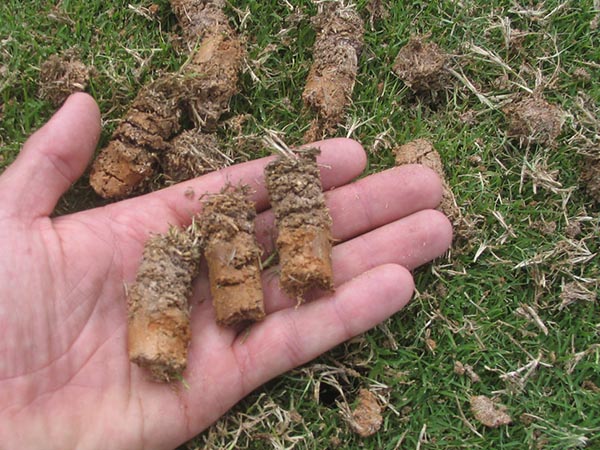
Aeration involves using specialized equipment, such as a lawn aerator, to puncture the soil and create channels for air, water, and nutrients to reach the grassroots. Over time, lawns can become compacted due to foot traffic, heavy machinery, and the natural settling of the soil. Compaction restricts air and water movement within the soil, resulting in poor root growth, increased water runoff, and nutrient deficiencies.
By aerating your lawn, you break up compacted soil, allowing oxygen to reach the roots and promoting healthy microbial activity. This, in turn, stimulates root growth, improves nutrient uptake, and enhances the overall resilience of your grass against stressors like drought, disease, and pests.
Signs Your Lawn Needs Aeration
Determining when to aerate your lawn depends on several factors, including soil type, climate, and usage patterns. However, some common signs indicate your lawn could benefit from aeration:
Compacted Soil: If your soil feels hard and dense or water tends to pool on the surface rather than being absorbed, it's likely compacted and needs aeration.
Thatch Buildup: Thatch, a layer of dead grass and organic matter accumulating on the soil surface, can hinder water and nutrient penetration. Aeration helps break up thatch and promote its decomposition.
Sparse Growth: If your grass is thinning out despite adequate watering and fertilizing, compacted soil may inhibit root development. Aeration can revitalize the root system and encourage healthier growth.
Heavy Traffic Areas: Lawns that experience frequent foot traffic, such as those surrounding playgrounds or pathways, are more prone to compaction and benefit from regular aeration.
How to Aerate Your Lawn
Aerating your lawn uses various methods, including spike aerators, plug aerators, and liquid aerating solutions. Here's a basic guide to aerating your lawn:
Assess Soil Moisture: Aerate when moist soil is not waterlogged. Dry soil can be difficult to penetrate, while overly wet soil may become compacted during the aeration process.
Choose the Right Equipment: Select aeration equipment based on the size of your lawn and the extent of compaction. Spike aerators create holes by puncturing the soil, while plug aerators remove small plugs of soil, resulting in better outcomes for heavily compacted lawns.
Aerate in Cross-Patterns: For optimal results, aerate your lawn in two passes, each at a perpendicular angle to the other. This ensures thorough coverage and minimizes soil compaction.
Follow Up with Lawn Care: After aerating, consider overseeding to promote new grass growth and top-dressing with compost to improve soil structure and fertility.
While often overlooked, aeration is a vital component of effective lawn care. By aerating your lawn regularly, you can alleviate soil compaction, promote root growth, and enhance the overall health and appearance of your grass. Incorporate aeration into your lawn care routine to ensure your turf stays lush, green, and resilient for years.