- By the dedicated team of editors and writers at Newsletter Station.
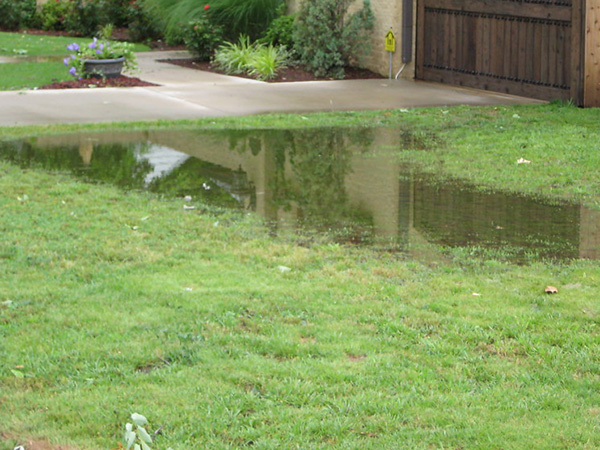
A well-maintained yard enhances your home's beauty and contributes to its overall health and functionality. One crucial aspect of yard maintenance that often goes overlooked is proper drainage. Adequate yard drainage is essential to prevent water accumulation, erosion, and potential damage to your property.
This blog will explore seven valuable tips for enhancing yard drainage and protecting your outdoor space.
Assess Your Yard's Topography:
Understanding the natural contours of your yard is the first step towards improving drainage. Identify high and low points, slopes, and areas prone to pooling water. This assessment will help you plan drainage solutions that harmonize with your yard's topography.
Install a French Drain:
A French drain is a popular solution for redirecting excess water away from your yard. It consists of a trench filled with gravel and a perforated pipe that allows water to flow through. By strategically installing a French drain in areas prone to water accumulation, you can effectively channel water away from your yard and prevent waterlogging.
Create Swales:
Swales are shallow, vegetated channels that guide water along a specific path. By incorporating swales into your yard's design, you can prevent water from pooling in unwanted areas and guide it toward a designated drainage point. Planting grass or vegetation in the swales helps stabilize the soil and improve water absorption.
Choose Permeable Surfaces:
Opt for porous materials such as pavers or gravel for walkways, driveways, and patios. These surfaces allow water to seep through, reducing runoff and allowing for better absorption into the ground. This approach can significantly contribute to minimizing water accumulation.
Properly Maintain Gutters and Downspouts:
Clogged or misdirected gutters and downspouts can cause water to accumulate near your home's foundation. Regularly clean and maintain these components to ensure rainwater is directed away from your property. Consider installing extensions or splash blocks to guide water further away from the foundation.
Use Rain Gardens:
Rain gardens are aesthetically pleasing and functional in managing excess water. These landscaped areas feature native plants that thrive in both wet and dry conditions. By strategically placing rain gardens in low-lying areas of your yard, you can absorb rainwater and reduce runoff while attracting beneficial wildlife.
Optimize Soil Composition:
The type of soil in your yard plays a crucial role in drainage. Clay soils, for instance, tend to retain water, leading to poor drainage. Amend your soil with organic matter, such as compost, to improve its drainage capacity. This amendment enhances soil structure, allowing for improved water infiltration and reduced risk of waterlogging.
Proper yard drainage is integral to maintaining a healthy and functional outdoor space. By implementing these seven tips—assessing topography, installing French drains, creating swales, choosing permeable surfaces, maintaining gutters, incorporating rain gardens, and optimizing soil composition—you can effectively manage water runoff and prevent potential damage to your property.
A well-drained yard not only enhances your home's visual appeal but also promotes a sustainable and vibrant outdoor environment for years to come.