Mastering Leftovers: Smart Storage and Reheating Tips for Delicious, Safe Meals
- By the dedicated team of editors and writers at Newsletter Station.
Leftovers reign supreme in a world where time is precious, and convenience matters more than ever. Whether it’s last night’s home-cooked dinner or extra servings from a weekend gathering, leftovers provide an easy, budget-friendly solution for busy schedules and efficient meal planning.
That said, improper storage or reheating can quickly turn a great meal into a disappointing—or unsafe—experience. The good news? With a few practical strategies, you can store and reheat leftovers effectively, preserving flavor, texture, and food safety every time.
Storing Leftovers the Right Way
Proper storage is the foundation of great leftovers. Follow these best practices to keep your food fresh, flavorful, and safe:
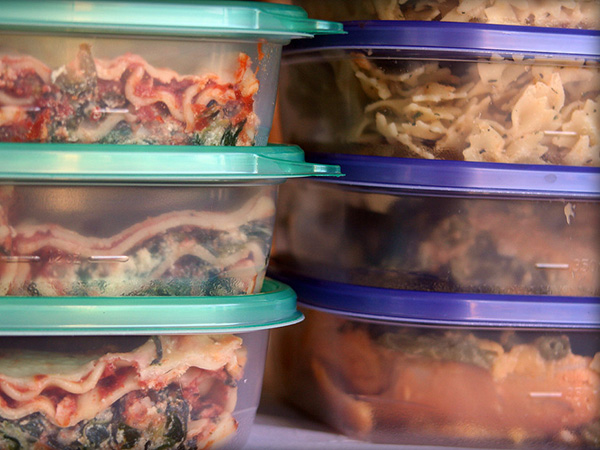
Use airtight containers
Invest in high-quality airtight containers or resealable freezer bags. These help prevent moisture loss, reduce air exposure, and protect food from absorbing unwanted odors.
Label and date everything
Clearly label leftovers with the date they were cooked or stored. This simple habit makes it easier to rotate meals, reduce food waste, and avoid eating food past its prime.
Cool food safely before storing
Allow hot foods to cool slightly before refrigerating, but don’t leave them out for more than two hours. For faster cooling, divide food into shallow containers to reduce bacterial growth and maintain quality.
Divide into smaller portions
Portioning leftovers makes reheating more efficient and helps ensure even warming. It also allows you to take out only what you need, saving time and reducing waste.
Store at the correct temperature
Refrigerate leftovers promptly and keep your fridge set below 40°F (4°C). Most leftovers are best consumed within three to four days, while freezer-stored meals can last several months when properly sealed.
Reheating Leftovers Without Losing Flavor
Reheating doesn’t have to mean soggy, dry, or overcooked food. These tips help restore your leftovers to their original appeal:
Choose the best reheating method
Microwaves are convenient, but ovens, toaster ovens, and stovetops often deliver better texture for foods like casseroles, pizza, or roasted meats.
Add moisture when needed
A splash of water, broth, or sauce can prevent dryness and help revive dishes like rice, pasta, or lean proteins.
Reheat slowly and evenly
Use low to medium heat when reheating on the stove or in the oven. Slower heating preserves texture and prevents burning.
Stir or rotate during reheating
Stirring or turning food helps distribute heat evenly and eliminates cold spots—significant for soups, sauces, and microwave reheating.
Confirm safe internal temperatures
Always reheat leftovers to an internal temperature of 165°F (74°C). Using a food thermometer ensures food safety and peace of mind.
Make Leftovers Work for You
Leftovers are more than a time-saver—they’re an opportunity to simplify meals, reduce waste, and stretch your grocery budget. With smart storage habits and thoughtful reheating techniques, yesterday’s meal can be just as enjoyable today.
A little planning and creativity can transform leftovers from an afterthought into a reliable, delicious solution for busy days—making home-cooked meals easier and more satisfying all week long.