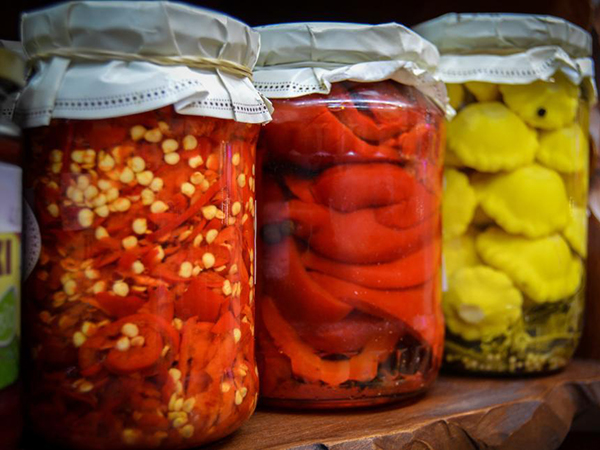
The Art of Pickling Vegetables: A Simple Way to Preserve Flavor Year-Round
- By the dedicated team of editors and writers at Newsletter Station.
In today’s fast-paced world, traditional food preservation methods can feel like a lost art. Yet pickling remains one of the easiest and most rewarding ways to preserve vegetables while enhancing their natural flavors.
Whether you’re a seasoned home cook or just beginning your culinary journey, pickling vegetables is an accessible technique that helps you reduce food waste, stretch your grocery budget, and enjoy fresh produce long after the harvest season ends.
This guide explores why pickling vegetables is worth embracing and walks you through a simple, reliable process you can use in your own kitchen.
Why Pickle Your Vegetables?
Flavor Enhancement
Pickling infuses vegetables with a vibrant balance of tanginess, sweetness, and spice. The combination of vinegar, salt, and seasonings creates layers of flavor that can elevate everyday meals, turning simple vegetables into standout ingredients.
Long-Lasting Preservation
One of the oldest food preservation methods, pickling significantly extends the shelf life of vegetables. The acidic brine slows spoilage by creating an environment where harmful bacteria struggle to grow, helping your produce stay fresh longer when stored properly.
Health and Nutritional Benefits
Pickled vegetables retain many essential vitamins and minerals. When fermented rather than quick-pickled, they can also provide probiotics that support gut health and digestion, making them a smart addition to a balanced diet.
Incredible Versatility
Pickled vegetables add crunch and brightness to countless dishes. From sandwiches and salads to grain bowls, tacos, and charcuterie boards, they offer a quick way to add bold flavor without extra cooking.
How to Pickle Your Vegetables at Home
Choose Fresh Vegetables
Nearly any vegetable can be pickled, but favorites include cucumbers, carrots, radishes, onions, green beans, and cauliflower. Select firm, fresh produce and wash thoroughly before slicing or prepping.
Prepare a Simple Brine
A basic pickling brine includes water, vinegar (such as white or apple cider vinegar), salt, and a small amount of sugar. Customize your brine with garlic, dill, peppercorns, chili flakes, mustard seeds, or herbs to suit your taste preferences.
Clean and Sterilize Jars
Wash jars and lids in hot, soapy water, then sterilize them by boiling for about 10 minutes or running them through a hot dishwasher cycle. Clean jars help ensure safe, long-lasting pickles.
Pack the Vegetables
Pack vegetables tightly into the jars, leaving a bit of space at the top. Add spices or herbs evenly throughout the jar to distribute flavor.
Add the Brine
Bring the brine to a boil, then carefully pour it over the vegetables until fully submerged. Leave a small amount of headspace to allow for expansion.
Seal and Cool
Wipe jar rims clean, secure the lids, and allow jars to cool to room temperature. Once cooled, store them in the refrigerator.
Store and Enjoy
Quick-pickled vegetables are typically ready within a few days and continue developing flavor over time. Most refrigerated pickles stay fresh for several weeks.
Pickling vegetables is a simple, satisfying way to celebrate seasonal produce while adding bold flavors to your meals year-round. Whether you’re preserving an abundant garden harvest or looking for an easy way to enhance everyday dishes, homemade pickles offer creativity, convenience, and lasting value.
Roll up your sleeves, grab your favorite vegetables, and enjoy a time-honored kitchen tradition that blends practicality with delicious results.