Common Website Design Mistakes and How to Avoid Them
- By the dedicated team of editors and writers at Newsletter Station.
In today's digital-first world, a well-designed website is essential for almost every business and organization. Your website is often the first interaction potential customers have with your brand, so it needs to make a strong impression while making it easy for visitors to find information and take action.
A visually appealing website is only part of the equation. Poor navigation, slow performance, weak mobile usability, and unclear messaging can quickly frustrate visitors and send them elsewhere. Fortunately, many common website design mistakes are easy to identify and correct.
Here are nine website design mistakes to watch for, along with practical ways to avoid them.
Cluttered and Unorganized Layouts
One of the most common website design mistakes is trying to put too much information on a single page. Excessive text, images, animations, pop-ups, and competing design elements can overwhelm visitors and make it difficult to determine where to look first.
Instead, embrace a clean, organized layout with plenty of white space. Group related information together, use clear headings and subheadings, and prioritize the content that matters most to your audience. A simple design doesn't have to be boring—it should make your website easier to understand and use.
Ignoring Mobile Responsiveness
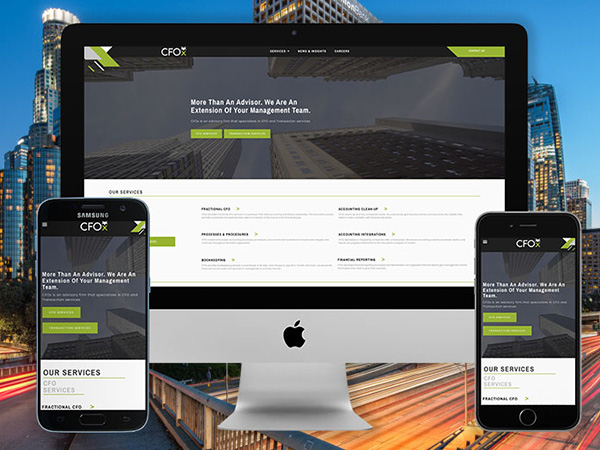
A website that looks great on a desktop computer but is difficult to use on a smartphone can quickly lose potential customers. Mobile devices account for a significant portion of web traffic, making responsive design an essential part of modern website development.
Your website should automatically adapt to different screen sizes and remain easy to navigate on phones, tablets, laptops, and desktop computers. Test buttons, forms, menus, images, and text across multiple devices to ensure everything works as expected.
Slow Loading Times
Website speed has a major impact on user experience. Visitors don't want to wait several seconds for a page to load, particularly when they're browsing on a mobile device.
Large image files, excessive plugins, unnecessary scripts, outdated software, and poorly optimized code can all contribute to slow performance. Compress images, use modern image formats when appropriate, minimize unnecessary elements, and work with a reliable website hosting provider.
It's also helpful to regularly monitor your site's performance rather than assuming it remains fast after launch.
Inconsistent Branding
Your website should look and feel like an extension of your business. Inconsistent colors, fonts, photography, logos, and messaging can make your brand appear less professional and harder for visitors to recognize across different marketing channels.
Establish a consistent visual identity and use it throughout your website. Your branding should also complement your email marketing, social media profiles, advertising, and other customer touchpoints.
Consistency builds familiarity and can make your business appear more established and trustworthy.
Poor Typography and Accessibility
Typography affects much more than aesthetics. Tiny text, overly decorative fonts, insufficient spacing, and poor color contrast can make a website difficult to read.
Choose simple, highly legible fonts and use appropriate font sizes for both desktop and mobile visitors. Break longer sections of text into shorter paragraphs and use headings, lists, and other visual cues to make information easier to scan.
Accessibility should also be part of your design strategy. Provide sufficient color contrast, descriptive alternative text for meaningful images, clearly labeled forms, and keyboard-friendly navigation where appropriate.
Lack of Clear Calls to Action
Your website should make it obvious what visitors can do next. If users have to search for a phone number, a contact form, a purchase button, or a newsletter sign-up, you may lose potential conversions.
Use clear calls to action (CTAs) throughout your site. Depending on your business, these might include "Request a Quote," "Schedule an Appointment," "Shop Now," "Contact Us," or "Get Started."
Your CTAs should be noticeable without being intrusive and clearly communicate the value or next step.
Neglecting SEO
A beautiful website won't accomplish much if potential customers can't find it through search engines. Search engine optimization (SEO) should be considered during website planning and content creation—not added as an afterthought.
Use descriptive page titles, helpful headings, relevant keywords, meaningful image alt text, descriptive URLs, and useful content that answers your audience's questions. Make sure each important page has a clear purpose and provides genuine value to visitors.
SEO is an ongoing process, so regularly review your content and update pages as your business, industry, and customer needs evolve.
Poor Navigation
Website visitors should not have to work to find basic information. Complicated menus, vague labels, excessive dropdowns, and inconsistent navigation can quickly create frustration.
Keep your primary navigation simple and use familiar labels such as "About," "Services," "Products," "Resources," and "Contact" when appropriate. Organize pages logically and make sure visitors can easily return to important sections of your site.
A well-structured navigation system benefits both visitors and search engines by making your website easier to understand.
Neglecting User Testing
Even experienced website designers can overlook usability problems. Something that seems obvious to you may not be obvious to someone visiting your website for the first time.
Before launching a new site or making major changes, ask people who aren't involved in the project to test it. Give them simple tasks, such as finding a service, locating your contact information, submitting a form, or making a purchase.
Pay attention to where they hesitate or become confused. Their feedback can reveal problems you may not notice yourself.
Keep Improving Your Website
Avoiding common website design mistakes is essential for creating an effective online presence. Clean layouts, responsive design, fast performance, consistent branding, readable typography, clear CTAs, strong SEO, intuitive navigation, and user testing all contribute to a better website experience.
Remember that website design isn't a one-time project. Your customers' expectations, technology, search engine requirements, and business goals will continue to change. Regularly reviewing your website's performance and usability can help you identify opportunities for improvement.
A successful website doesn't simply look good—it helps visitors find what they need, understand what your business offers, and take the next step with confidence.