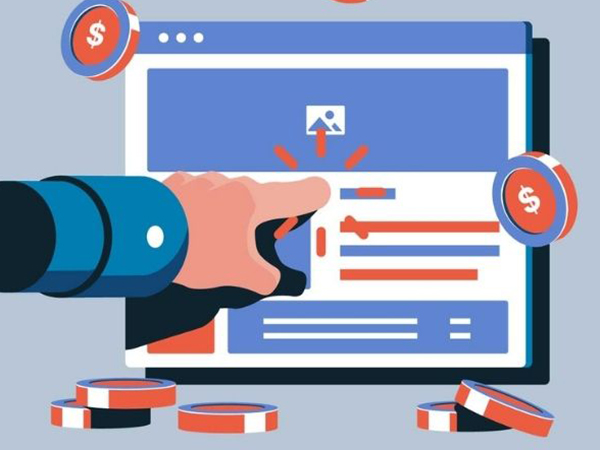
How to Increase Website Conversions: Proven Strategies to Turn Visitors into Customers
- By the dedicated team of editors and writers at Newsletter Station.
In today’s competitive digital landscape, your website is more than a digital brochure—it’s your most powerful sales and marketing tool. But attracting traffic is only half the battle. The real goal is conversion: turning visitors into customers, subscribers, or qualified leads.
If your website isn’t converting as well as you’d like, the solution often lies in refining your strategy, optimizing user experience, and aligning your messaging with your audience’s needs. Below are updated, practical strategies to help increase website conversions and drive measurable business growth.
Start with a Deep Understanding of Your Audience
Effective conversion optimization begins with data. Use tools like Google Analytics and Hotjar to evaluate:
Visitor behavior and traffic sources
Bounce rates and time on page
Popular landing pages
Exit points
Combine analytics with surveys, customer interviews, and social media engagement to uncover pain points and motivations. When you understand what your audience truly needs, you can tailor messaging, design, and offers to meet them where they are.
Optimize Website Speed and Mobile Performance
Website performance directly impacts conversions. Research consistently shows that users abandon slow-loading sites within seconds.
To improve speed and performance:
Compress and properly size images
Minify CSS and JavaScript files
Enable browser caching
Use a reliable hosting provider
Implement a responsive, mobile-first design
With mobile traffic now accounting for more than half of web visits, a seamless mobile experience is no longer optional—it’s essential.
Create High-Value, Relevant Content
Content drives trust and engagement. Instead of generic messaging, focus on addressing specific customer questions and challenges.
Effective content strategies include:
SEO-optimized blog posts
Educational guides and resources
Case studies and testimonials
Video demonstrations
FAQs that overcome objections
Clear, benefit-focused messaging keeps visitors engaged and encourages action.
Use Clear and Compelling Calls-to-Action (CTAs)
A strong call to action guides users toward the next step. Vague phrases like “Learn More” are less effective than specific, action-driven language such as:
“Schedule Your Free Consultation”
“Download the Guide”
“Get Started Today”
Place CTAs strategically—above the fold, at the end of blog posts, and throughout landing pages. A/B testing different wording, colors, and placements can significantly improve results.
Build Trust and Credibility
Trust is a key driver of conversions. Visitors need reassurance before sharing personal information or making a purchase.
Boost credibility by including:
Customer testimonials and reviews
Industry certifications or awards
Clear contact information
Secure checkout badges and SSL certificates
Transparent return or refund policies
Authenticity and transparency reduce hesitation and build confidence.
Personalize the User Experience
Personalization increases engagement and conversions by making users feel understood.
You can personalize through:
Product recommendations based on browsing behavior
Dynamic landing pages for different audience segments
Targeted email campaigns based on past actions
Even small adjustments—like using a visitor’s name in follow-up emails—can increase response rates.
Simplify the Checkout or Lead Capture Process
If you operate an e-commerce site, streamline the checkout process to reduce cart abandonment:
Offer guest checkout options
Minimize required form fields
Provide multiple secure payment methods
Clearly display shipping costs upfront
For service-based businesses, keep contact forms simple and friction-free. The easier it is to take action, the more likely visitors will convert.
Leverage Social Proof Strategically
People trust the experiences of others. Social proof reinforces credibility and reduces uncertainty.
Consider highlighting:
Number of customers served
Subscriber counts
Star ratings
Client logos
Media mentions
Showcasing real results demonstrates authority and reliability.
Continuously Test and Improve
Conversion optimization isn’t a one-time project—it’s ongoing. Regularly review performance metrics, gather feedback, and test improvements. Small refinements over time can lead to significant growth.
Increasing website conversions requires a thoughtful blend of data analysis, user-focused design, compelling content, and trust-building elements. By understanding your audience, optimizing performance, and simplifying the path to action, you create a website that not only attracts visitors but turns them into loyal customers.