How to Prevent Gum Disease: Essential Tips for Healthy Gums and Strong Teeth
- By the dedicated team of editors and writers at Newsletter Station.
Gum disease, also known as periodontal disease, is a widespread oral health condition that affects millions of people worldwide. It ranges from early-stage gingivitis—characterized by red, swollen, or bleeding gums—to more advanced periodontitis, which can damage the bone and tissues that support your teeth and may even lead to tooth loss if untreated.
The good news is that gum disease is largely preventable with consistent oral hygiene habits, healthy lifestyle choices, and regular dental care. Here’s how to protect your gums and maintain a healthy smile.
Maintain a Strong Daily Oral Hygiene Routine
Good oral hygiene is the most effective defense against gum disease.
Brush twice daily: Use a soft-bristled toothbrush and fluoride toothpaste for at least two minutes each time.
Focus on all surfaces, including along the gumline.
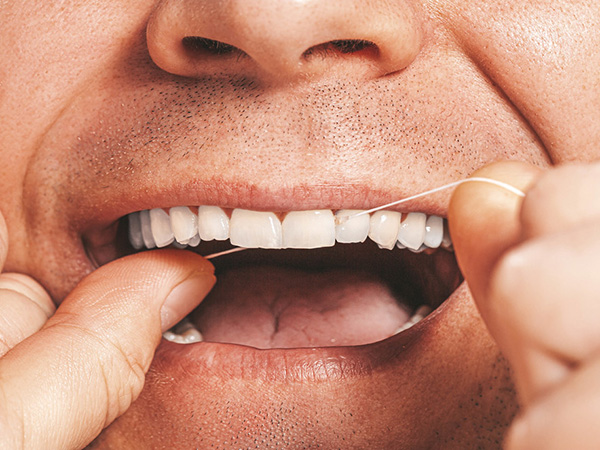
Floss daily: Flossing removes plaque and food particles between teeth where brushing cannot reach.
Use mouthwash: An antimicrobial rinse can help reduce bacteria, support gum health, and freshen breath.
Eat a Balanced, Gum-Friendly Diet
Your diet plays a major role in oral health and in controlling inflammation.
Limit sugary foods and drinks that fuel harmful bacteria
Eat nutrient-rich foods like leafy greens, fruits, lean proteins, and whole grains
Include foods rich in vitamin C and calcium to support gum and bone health
Drink plenty of water to help wash away debris and maintain saliva flow
Avoid Tobacco Products
Smoking and tobacco use are major risk factors for gum disease. They weaken your immune response, reduce blood flow to the gums, and slow healing. Quitting tobacco significantly improves both oral and overall health.
Manage Stress for Better Gum Health
Chronic stress can weaken the immune system and increase inflammation, making it harder for your body to fight oral bacteria. Incorporating stress-reducing habits such as exercise, meditation, or deep breathing can support healthier gums.
Schedule Regular Dental Check-Ups
Routine dental visits are essential for prevention and early detection.
Professional cleanings remove hardened plaque (tartar) that cannot be removed at home
Dentists can identify early signs of gingivitis before it progresses
Regular exams help prevent costly and advanced dental treatments later
Most adults benefit from dental visits every six months, or more frequently if recommended.
Use Proper Brushing Techniques and Tools
Brushing too hard or using the wrong tools can damage gums over time.
Choose a soft-bristle toothbrush to prevent irritation
Use gentle, circular motions instead of aggressive scrubbing
Replace your toothbrush every 3–4 months or after illness
Be Aware of Dry Mouth and Medication Side Effects
Certain medications—such as antihistamines, blood pressure drugs, and antidepressants—can cause dry mouth. Reduced saliva increases the risk of gum disease.
To help manage this:
Stay well hydrated
Use sugar-free gum to stimulate saliva
Ask your dentist or doctor about saliva substitutes if needed
Understand the Role of Preventive Dental Care
In some cases, preventive treatments such as fluoride applications or dental sealants may be recommended to reduce plaque buildup and protect vulnerable tooth surfaces.
Preventing gum disease starts with consistent daily habits and proactive dental care. By maintaining proper oral hygiene, eating a balanced diet, avoiding tobacco, and visiting your dentist regularly, you can significantly reduce your risk and support long-term gum health.
Pay attention to early warning signs such as bleeding gums, persistent bad breath, or gum recession. Early action is key to preventing more serious complications.
A healthy smile is an important part of overall wellness—taking small steps today can protect your oral health for years to come.