Soothing a Teething Baby: Practical Tips for Comfort and Care
- By the dedicated team of editors and writers at Newsletter Station.
Teething is an important milestone in your baby’s development—but it can also bring discomfort, disrupted sleep, and extra fussiness. As those first tiny teeth begin to emerge, many parents look for safe, effective ways to ease their baby’s discomfort.
The good news is that with a few updated, pediatrician-approved strategies, you can help soothe your baby and make this phase more manageable for everyone.
Recognizing the Signs of Teething
Teething typically begins around six months, though it can start earlier or later depending on the child. Common signs include:
Excessive drooling
Chewing on hands or objects
Irritability or increased fussiness
Swollen, tender gums
Sleep disruptions
Decreased appetite
Some babies may also develop mild temperature elevations (not a true fever). If symptoms seem severe or unusual, it’s always best to consult your pediatrician.
Safe and Effective Ways to Soothe Teething Discomfort
Offer Teething Toys
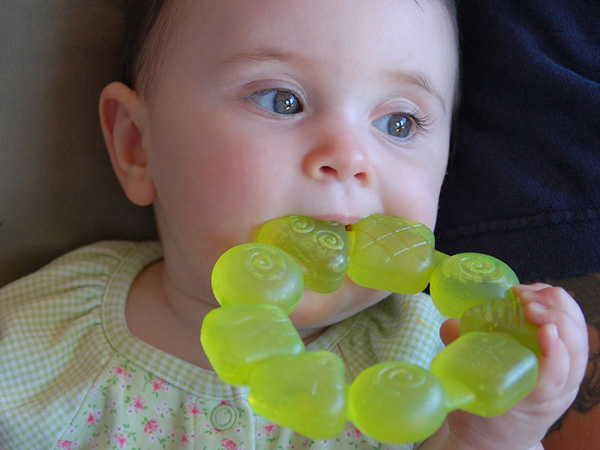
Teething toys made from BPA-free, food-grade materials provide a safe outlet for chewing. Look for options that are easy to grip and designed to massage sore gums gently.
Use Chilled (Not Frozen) Items
Cool temperatures can help reduce gum inflammation. Try:
Chilled teething rings
A clean, damp washcloth cooled in the refrigerator
Avoid freezing items, as they can become too hard and may irritate sensitive gums.
Gently Massage the Gums
Using a clean finger, softly rub your baby’s gums. The gentle pressure can provide immediate, natural relief and is often one of the simplest solutions.
Introduce Cold, Soft Foods (If Age-Appropriate)
For babies already eating solids, chilled foods like yogurt, applesauce, or mashed fruits can be soothing. Always supervise feeding and ensure textures are safe to prevent choking.
Be Cautious with Teething Gels
Many experts now recommend limiting or avoiding over-the-counter numbing gels, especially those containing benzocaine, due to safety concerns. If you’re considering any medication, consult your pediatrician first for guidance on safe options.
Maintain a Consistent Routine
Teething can disrupt sleep and feeding patterns. Keeping a consistent daily routine helps your baby feel secure and can reduce stress during this uncomfortable phase.
Provide Extra Comfort and Reassurance
Sometimes, the best remedy is simple comfort. Holding, rocking, and soothing your baby can help them feel safe and supported while they navigate teething discomfort.
Keep Gums and New Teeth Clean
Good oral hygiene starts early. Gently wipe your baby’s gums with a soft, damp cloth after feedings. Once teeth appear, use a small, soft-bristled infant toothbrush.
Updated Safety Tips for Parents
Avoid teething necklaces or amber beads due to choking and strangulation risks
Skip frozen teething toys that can damage gums
Always supervise your baby with teething products or food
Check products for safety certifications and age recommendations
When to Call Your Pediatrician
Teething should not cause high fever, diarrhea, or prolonged symptoms. If your baby experiences:
A fever above 100.4°F
Severe irritability
Refusal to eat or drink
Unusual symptoms
Reach out to your healthcare provider to rule out other causes.
Teething can be a challenging phase, but it’s temporary—and manageable with the right approach. By recognizing the signs and using safe, soothing techniques, you can help ease your baby’s discomfort while supporting healthy development.
Every baby responds differently, so don’t hesitate to try a few methods to see what works best for your baby. With patience, care, and a little extra cuddling, you’ll both get through this milestone with confidence.